

Comb Back Windsor
A comb back windsor chair offers sculptural timber construction and honest vernacular comfort.
Comb Back Windsor
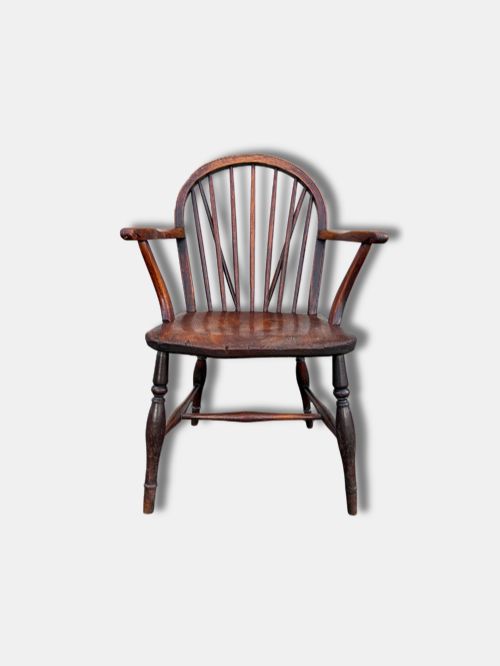
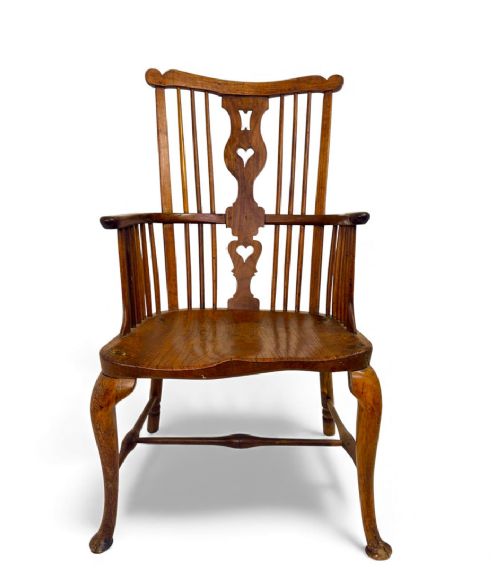
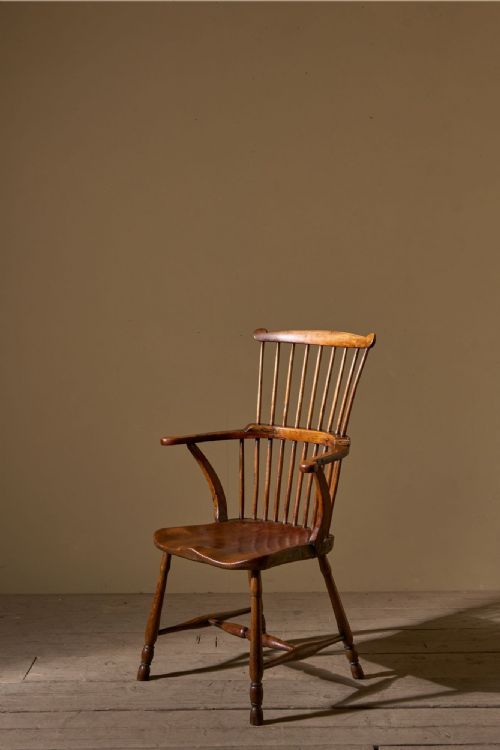
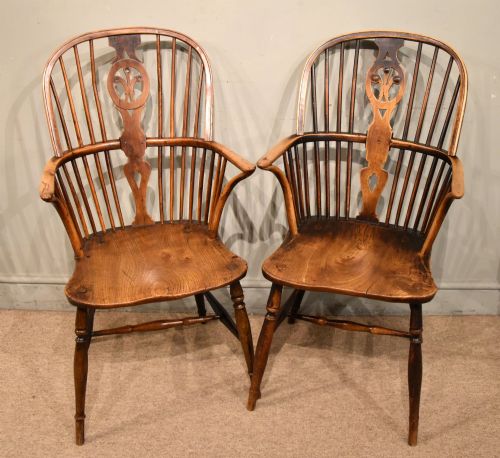
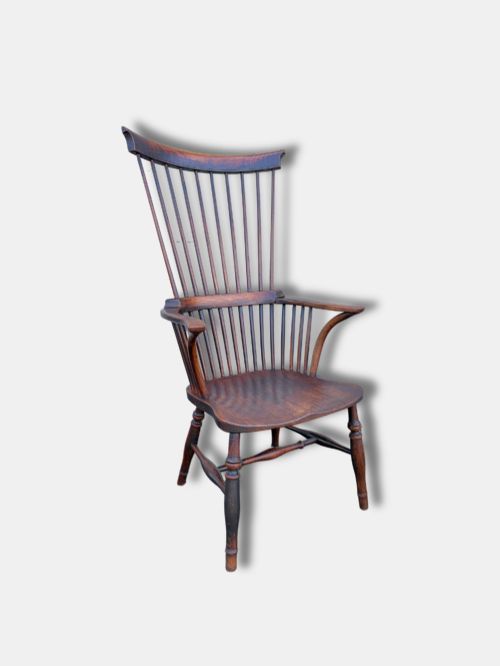
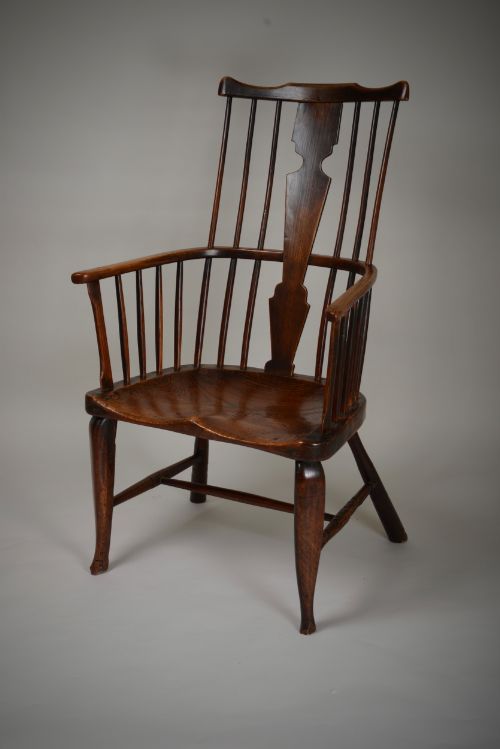
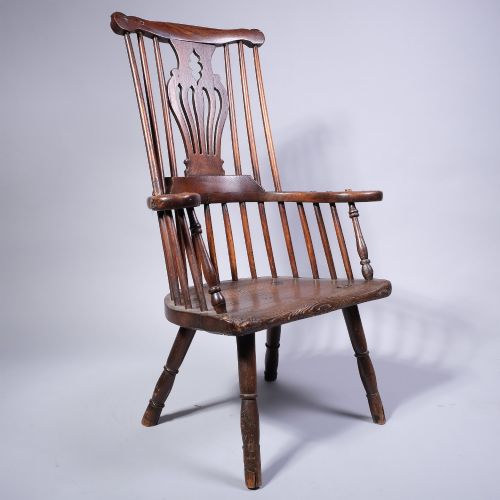
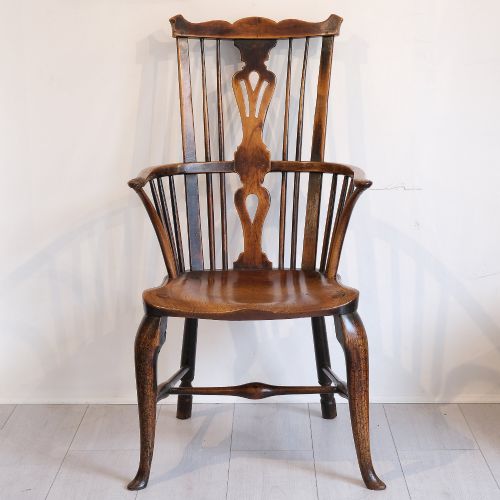
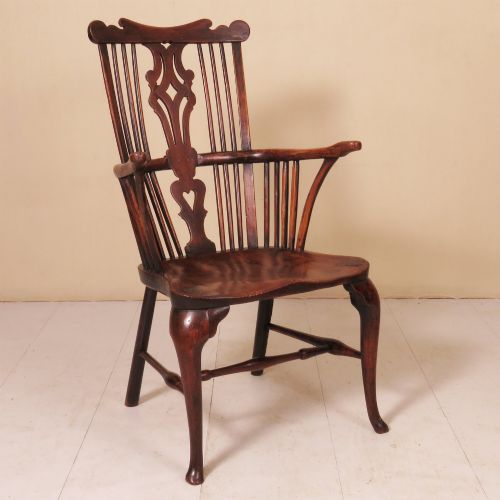
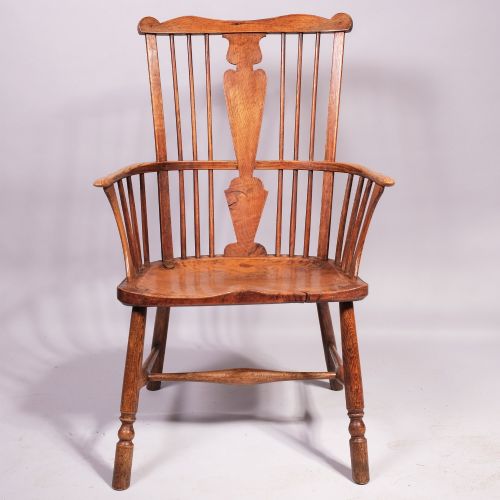
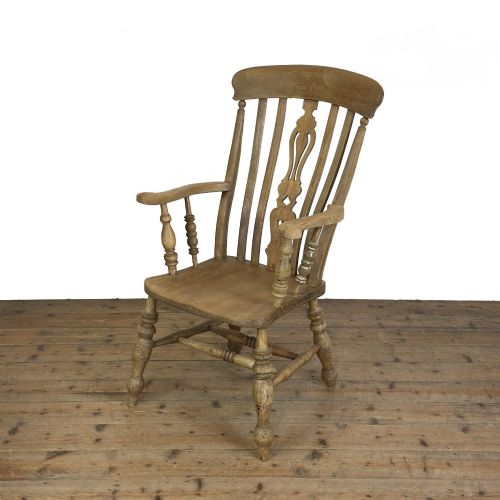
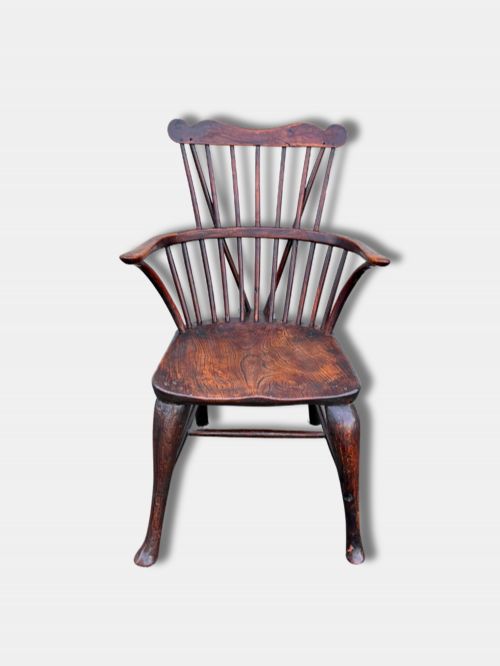
When you examine a comb back windsor, you are looking at a seating form defined by a distinct upright back extension resembling a traditional hair comb. These chairs span the eighteenth and nineteenth centuries, emerging from regional English, Welsh, and Scottish traditions. The most common examples on this page are eighteenth century and nineteenth century armchairs built for country houses and farmhouses.
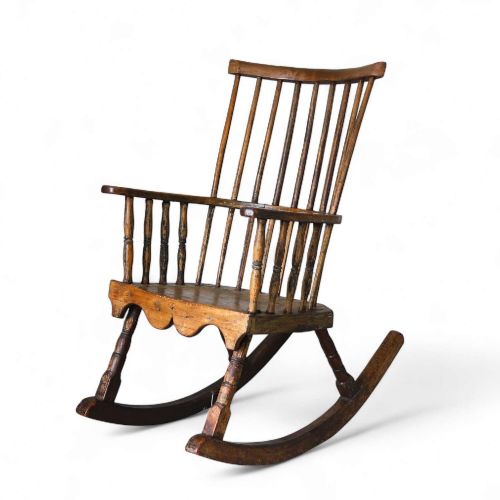
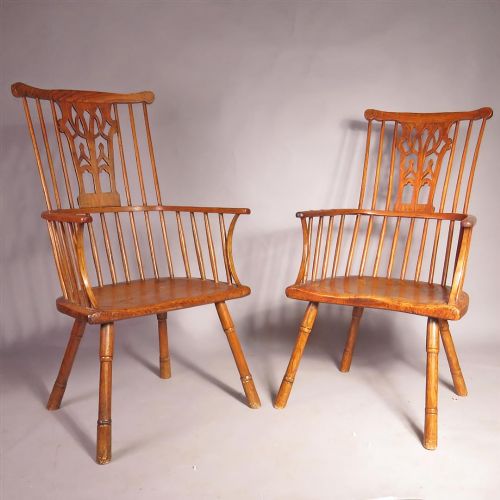
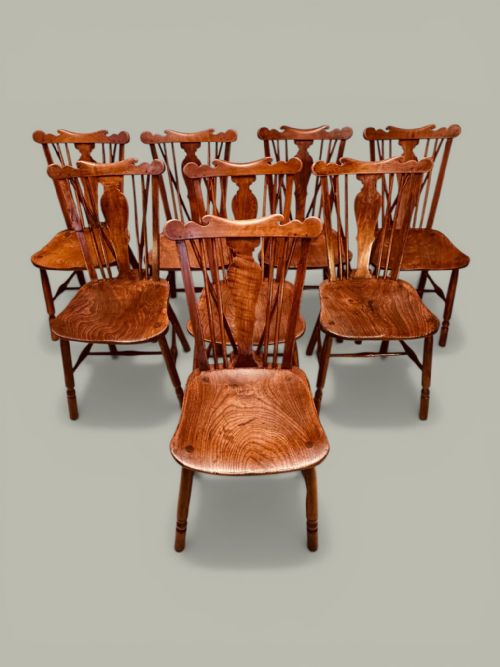
Makers shaped these utilitarian seats in various regional styles, including Thames Valley, Welsh vernacular, and West Country variants. You will encounter single armchairs, pairs, and larger dining sets fashioned in formats such as rocking chairs, captain's chairs, and high back forms. Each piece displays the distinct regional character of its local timber framing tradition.
How they were made
Craftsmen built these chairs by combining solid timber components using traditional pole lathe and joinery techniques. The seats typically consist of a thick plank of carved elm, ash, or fruitwood, into which the legs and back spindles are wedged directly. Upright spindles rise from the seat to form the backrest, capped by a steam bent wooden bow and finished with projecting comb terminals.
The material palette relies heavily on native British hardwoods selected for specific structural properties. Elm provides a tough, split resistant seat panel, whilst ash and beech supply flexible strength for the spindles and legs. Additional timbers such as yew wood, cherrywood, oak, alder, and sycamore appear across regional workshops.
Comb Back Windsor Retail Price Guide 2026
Typical asking prices for comb back windsor among the pieces listed under this phrase on Sellingantiques today, from the lower quarter to the upper quarter. They describe what is for sale here now, not the wider market.
Object forms span dining chairs, armchairs, rocking chairs, and larger matched sets originating from English and Welsh traditions.
What varies in quality
Quality in a comb back windsor rests on the harmony of its proportions and the integrity of its timber selection. Superior examples display balanced regional turning on the legs and finely tapered spindles that create a graceful silhouette. The presence of dense grain figures in woods like burr elm or yew elevates the visual presence of the piece.
Construction methods also distinguish finer chairs from standard vernacular pieces. A well sculpted saddle seat with deep ergonomic contours indicates superior hand shaping by the maker. The tightness of the wedged joints and the retention of original surface patination determine the overall archaeological and aesthetic standing of the chair.
Darvil
The Comb Back Windsor Glossary
- Comb back
- A Windsor chair variation where the central vertical spindles extend past the arm bow to support an upper horizontal crest rail.
- Saddle seat
- A thick wooden seat base carved into a concave depression to improve seating comfort.
- Vernacular
- Objects made by regional artisans following local traditions rather than formal urban design patterns.
- Stick chair
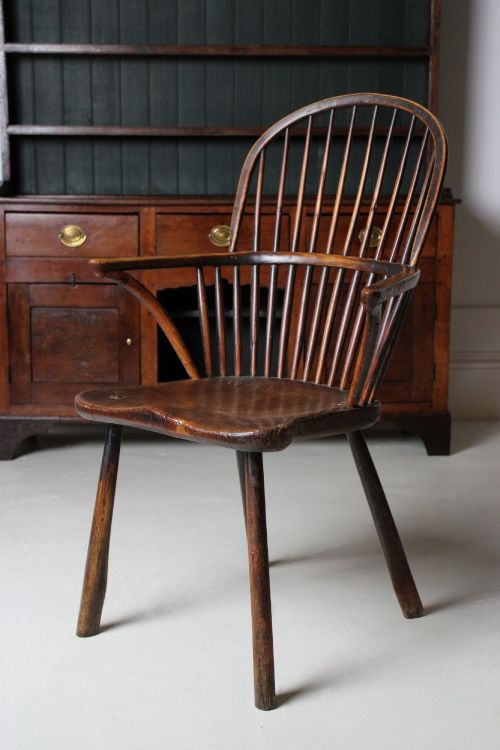
- A form of primitive seating where turned or cleft branches form the structural framework without complex joinery boxes.
- Spindle
- A slender turned wooden rod used vertically to form the supportive backrest of the chair.
Comb Back Windsor: Frequently Asked Questions
What is a comb back windsor chair?
A comb back windsor chair is a traditional timber seat featuring upright wooden spindles that pierce the arm bow and rise to form an upper headrest. This design evolved from standard low and high back windsor forms to provide additional upper back support.
Craftsmen built these chairs using distinct regional variations across England, Wales, and Scotland during the eighteenth and nineteenth centuries.
How were these chairs used historically?
These pieces served as durable everyday seating in farmhouses, cottages, and country dining rooms. Their robust construction made them suitable for constant daily use by family members and guests.
Armchair versions often stood beside hearths, while larger sets accompanied farmhouse dining tables and kitchen workspaces.
How do I live with a wooden windsor chair?
Living with these chairs involves placing them away from direct heat sources and sudden humidity changes to protect the historic timber. Regular dusting and occasional maintenance with appropriate furniture wax help preserve the dry surface patination.
They function well as desk chairs, hallway accents, or around a rustic dining table.
How can I tell regional styles apart?
Regional styles differ through the choice of local timbers and distinct turning profiles on the legs and stretchers. Thames Valley chairs frequently utilise yew wood and ash with refined lines, while Welsh vernacular pieces often employ heavy elm and primitive stick construction.
Examining the saddle seat shaping and undercarriage joinery reveals the specific woodworking traditions of the makers.