



Colonial Wooden Benches
Colonial wooden benches combine sturdy seating with regional craftsmanship, offering functional history and distinctive character for traditional interiors.
Colonial Wooden Benches
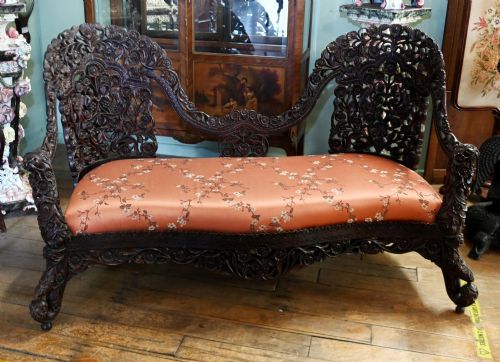
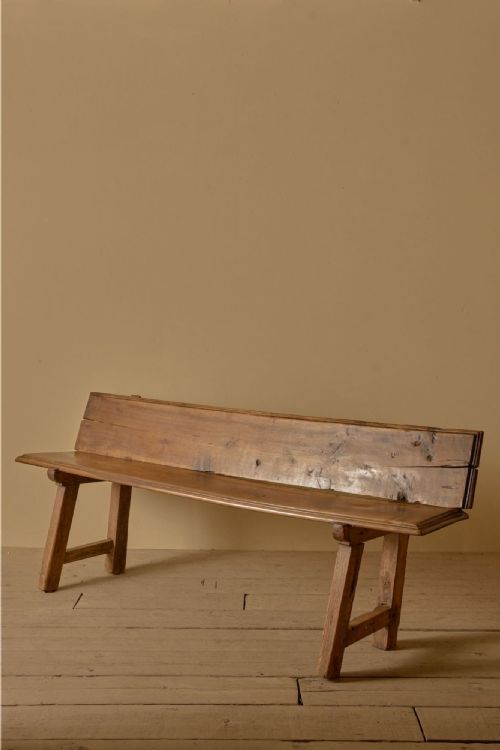
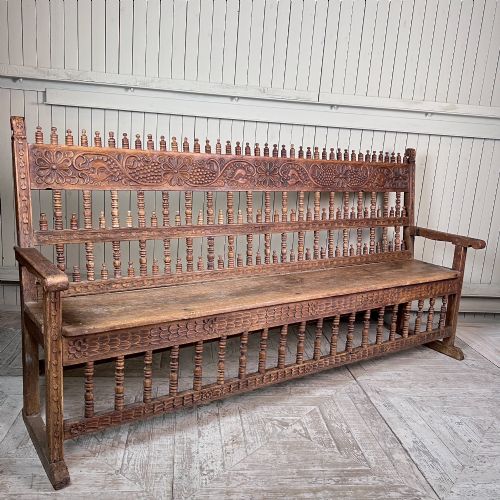
Colonial wooden benches encompass seating forms created during periods of expansion and trade, drawing on diverse regional traditions. Buyers searching for colonial wooden benches encounter items ranging from simple hall benches to ornate daybeds and settles.
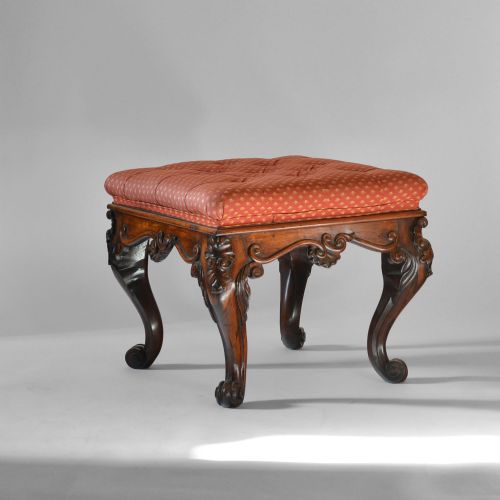
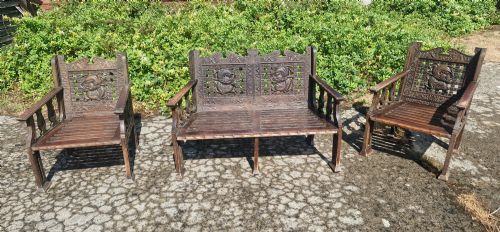
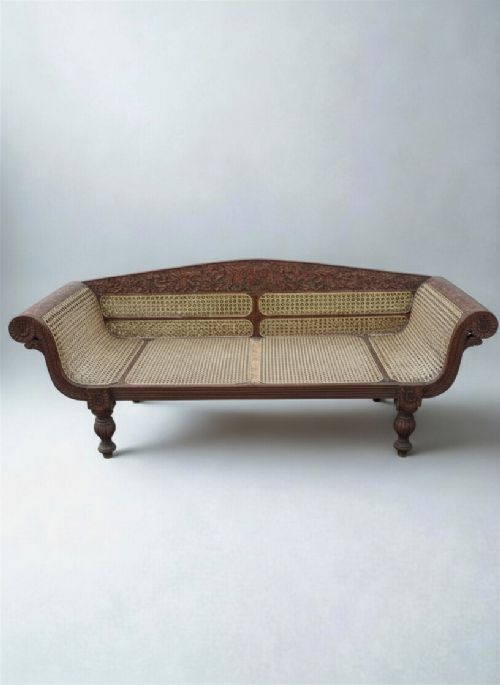
The selections on this page span the eighteenth and nineteenth centuries, including Victorian variations and pieces from nineteen twenty. Common forms include hall benches, window seats, stools, ottomans, and daybeds.
Origins represented in the evidence include Spanish colonial, Anglo-Indian, Ceylonese, and South African workshops. These regional expressions utilise native timbers shaped by local cabinet-making methods.
How they were made
Construction relies on dense tropical hardwoods and temperate timbers such as teak, rosewood, walnut, and stinkwood. These durable materials support heavy carving and structural joinery suited to warm climates.
Seating surfaces frequently incorporate woven cane, woven rattan, leather, and fabric upholstery. Artisans ornamented frames with carved details, elephant motifs, and brass decoration.
Colonial Wooden Benches Retail Price Guide 2026
Typical asking prices for colonial wooden benches among the pieces listed under this phrase on Sellingantiques today, from the lower quarter to the upper quarter. They describe what is for sale here now, not the wider market.
What varies in quality
Quality depends upon the crispness of hand-carved ornamentation and the integrity of regional timber selection. Pieces featuring intricate figural carvings or specialised elements like brass inlay show higher levels of artisan skill.
The condition of woven components, such as cane and rattan inserts, influences the overall integrity of the seating. Original timber patination and structural cohesion separate standard utility items from finer examples.
The Colonial Wooden Benches Glossary
- Anglo-Indian
- Describes furniture made in India during the British colonial period, combining British furniture forms with local Indian craftsmanship and materials.
- Stinkwood
- A valuable South African hardwood known for its distinct scent when freshly cut and its rich, dark grain.
- Cane
- Strips of rattan woven into open mesh patterns, commonly utilised for seats and backrests in warm climates.
- Settle
- A wooden bench with high backs, solid arms, and often a box compartment beneath the seat for storage.
- Daybed
- An elongated piece of furniture functioning as both a seat and a bed, frequently seen in colonial veranda settings.
Colonial Wooden Benches: Frequently Asked Questions
Where were colonial wooden benches used?
These benches served practical seating needs across verandas, hallways, and reception rooms in colonial administrative and residential buildings.
They suited warm climates by incorporating breathable woven elements and sturdy native hardwoods.
How do I identify nineteenth-century pieces?
Nineteenth-century examples often display specific regional stylistic traits, such as Anglo-Indian scroll backs or Ceylonese teak construction.
Examination of tool marks, timber shrinkage, and joinery methods helps confirm the manufacturing era.
Can I use a hall bench daily?
Solid hardwood construction makes these benches suitable for regular seating in entryways or hallways.
Care should be taken with historical woven rattan or cane surfaces to prevent excessive weight stress.
What woods were used?
Makers utilised available regional timbers including teak, rosewood, walnut, and South African stinkwood.
These dense woods resisted local insects and humidity while providing stable frames for intricate carving.