



Colonial Wood Drawers
Colonial wood drawers bring dense exotic timbers and practical craftsmanship together into sturdy chests and campaign forms that endure.
Colonial Wood Drawers
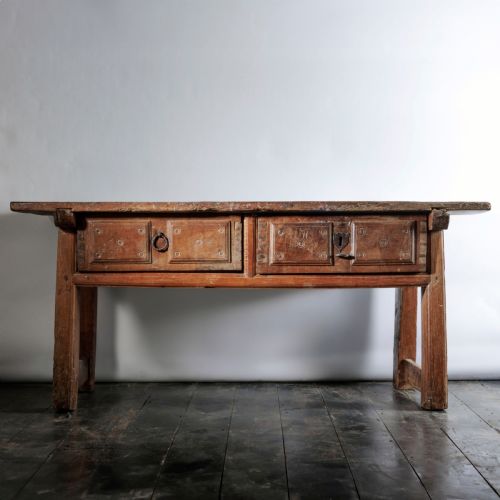
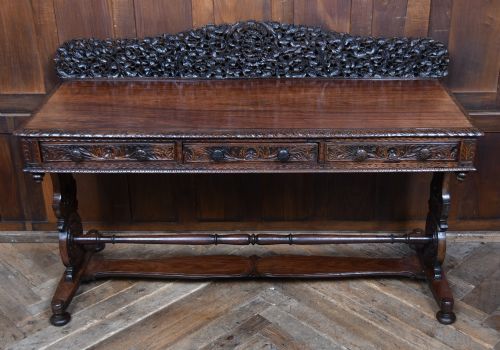
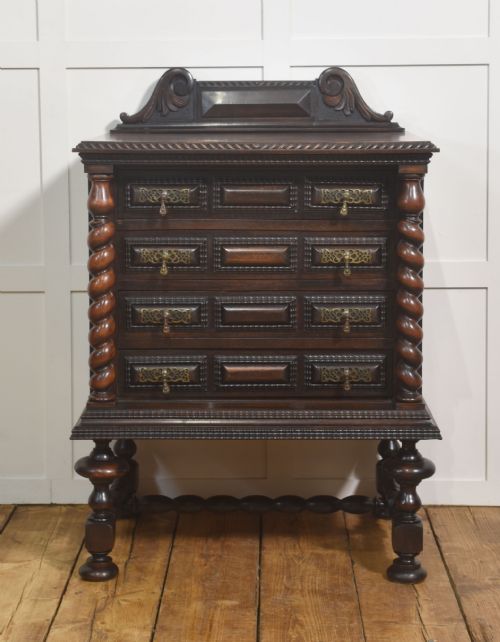
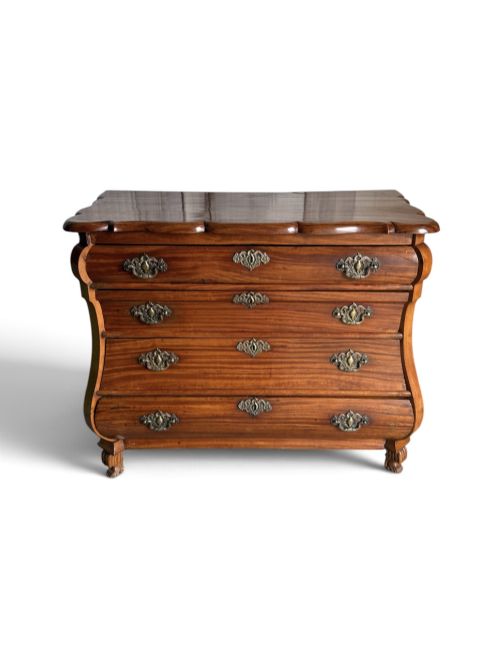
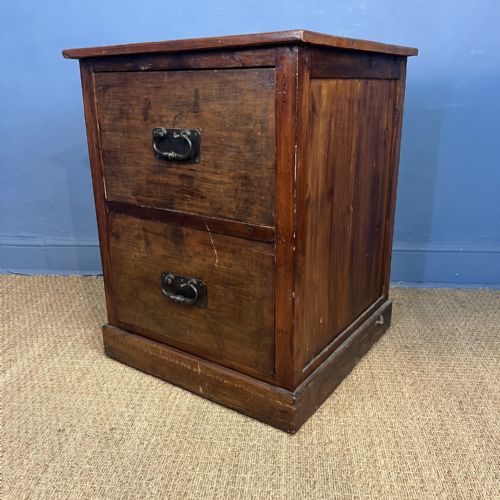
Colonial wood drawers encompass robust chests of drawers, campaign secretaires, and filing cabinets spanning the seventeenth century through to the early twentieth century. These pieces reflect global trade routes and regional domestic needs, taking form through Dutch, Spanish, Anglo-Indian, and Chinese colonial interpretations. Buyers seek them for their combination of deep utilitarian storage and distinct historical character.
Materials and construction methods
Carpenters built these pieces using dense tropical hardwoods such as teak, padouk, camphor wood, and walnut, often selected for resistance to humidity and insects. Timber preparation involved careful seasoning of the wood to prevent splitting in tropical climates. Cabinetmakers utilised solid planks alongside durable joinery techniques suited to long journeys and military relocations.
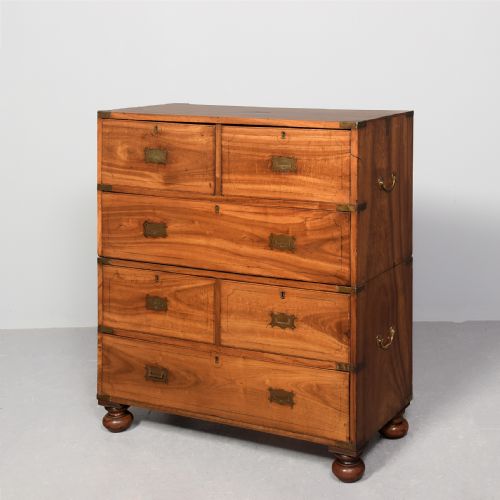
Metal hardware played an essential structural role, featuring brass binding, flush-fitting handles, and cast iron carrying handles on campaign pieces. Drawers were constructed with tight joints to withstand frequent transit, while surfaces were polished or left in natural timber grains. Many chests utilised a two-part modular design held together by corner brackets for ease of transport.
Colonial Wood Drawers Retail Price Guide 2026
Typical asking prices for colonial wood drawers among the pieces listed under this phrase on Sellingantiques today, from the lower quarter to the upper quarter. They describe what is for sale here now, not the wider market.
Camphor wood chests still carry their distinct medicinal scent centuries after leaving colonial workshops.
Factors of quality and execution
Quality rests primarily in the selection and figuring of the timber, whether solid camphor wood, rich padouk, or figured walnut. Superior examples display seamless integration of brass mounts and well-fitted drawer linings that operate smoothly despite changes in climate. Lesser pieces may show coarser secondary woods or replaced hardware that lacks the original period precision.
The sophistication of regional carving and the integrity of the original campaign structure distinguish finer items. Pieces retaining their original brass-bound edges, functional secretaire compartments, and intact carrying handles demonstrate superior workshop execution. The distinction lies in how cleanly the utilitarian mechanics merge with the cabinetmaker's decorative restraint.
The Colonial Wood Drawers Glossary
- Campaign chest
- A sectional chest of drawers built in two or more parts for easy transport by military officers. These pieces typically feature recessed brass handles and corner brackets to protect against knocks during travel.
- Padouk
- A heavy, durable reddish-brown tropical hardwood prized for its stability and rich grain. Makers in Anglo-Indian workshops frequently utilised this timber for chests and library tables.
- Secretaire
- A cabinet or chest containing a pull-down writing flap that conceals small drawers and pigeonholes. This hybrid form provided portable desk space within standard drawer dimensions.
- Bombe
- A swelling, convex furniture shape characteristic of Dutch colonial design. This curved profile requires advanced woodworking skill to maintain structural harmony across drawer fronts.
- Camphor wood
- Aromatic pale timber traditionally used in colonial chests to deter insects and protect stored textiles. Its distinctive scent remains present in many surviving examples.
Colonial Wood Drawers: Frequently Asked Questions
Why use camphor wood?
Camphor wood was chosen for its natural aromatic oils that repel moths and insects, protecting garments during long sea voyages.
The timber also resists moisture damage, making it ideal for furniture produced in humid colonial climates.
How do I care for these drawers?
Maintain these pieces by keeping them away from direct heat sources and sudden humidity shifts to prevent timber movement.
Apply a gentle beeswax periodically to nourish the hardwood surface without building up heavy chemical layers.
Are these pieces heavy?
These items are exceptionally heavy because they utilise solid tropical hardwoods like padouk, teak, and walnut throughout their construction.
Campaign versions mitigate this slightly through sectional disassembly, allowing two people to lift the pieces separately.