

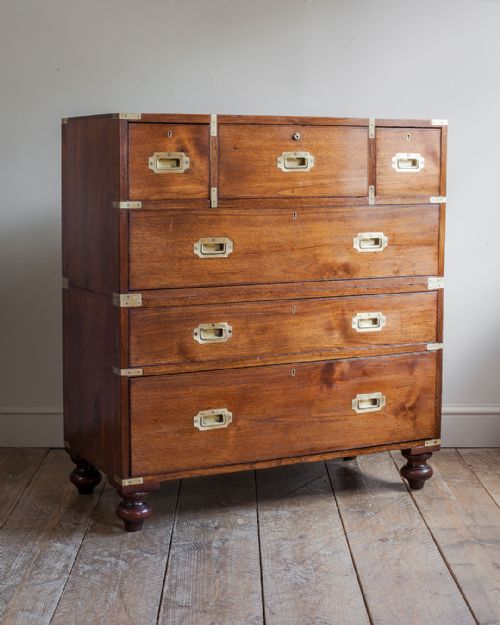
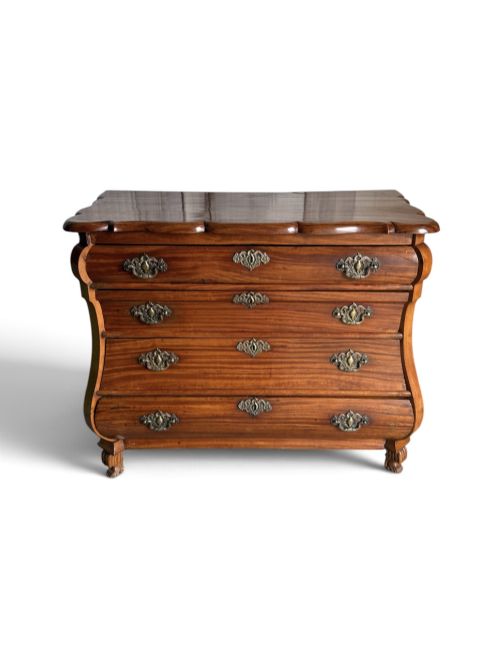
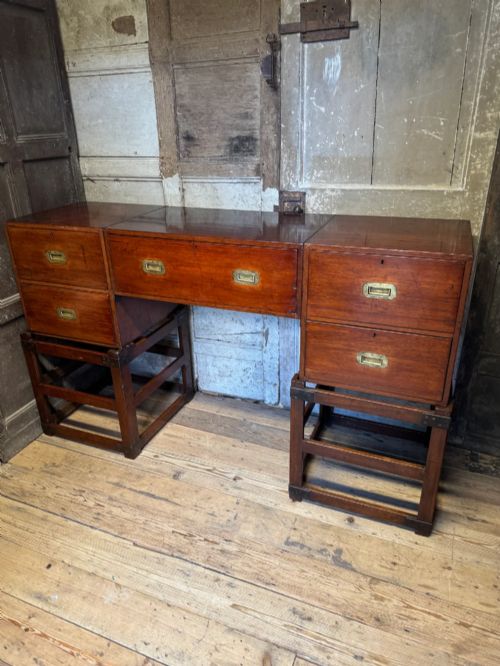
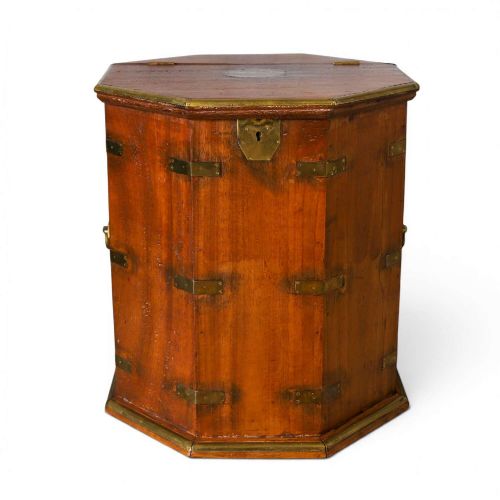


Colonial Furniture Chest
Colonial furniture chest encompasses robust military trunks and travelling cabinets built for transport across continents during the nineteenth century and earlier.
Colonial Furniture Chest
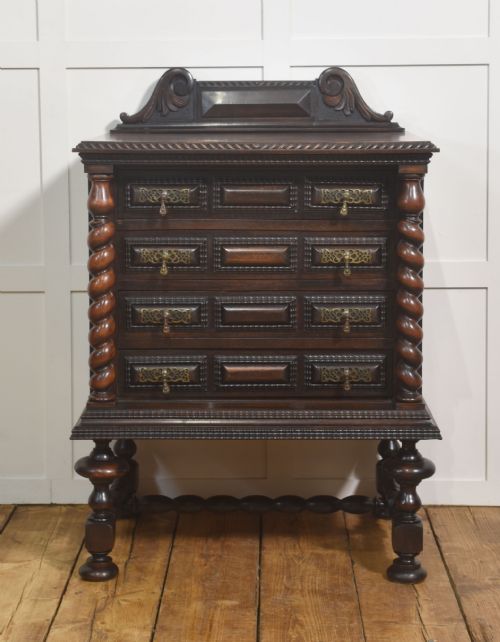
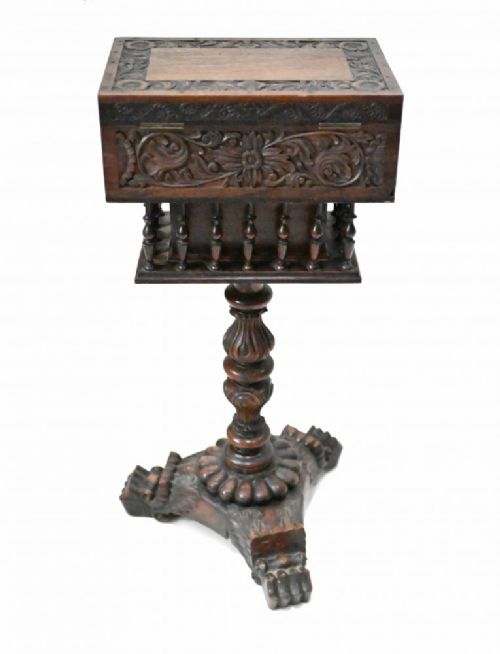
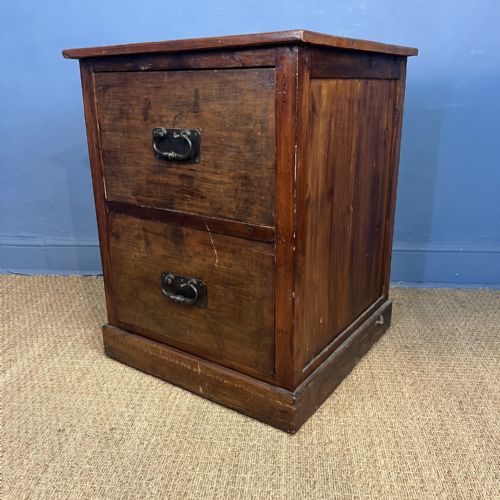
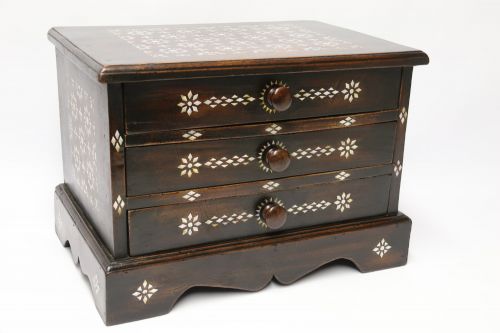
A colonial furniture chest covers portable storage pieces designed for administrative life and travel, spanning campaign desks, secretaire chests, and brass-bound trunks. Buyers encounter nineteenth-century pieces most frequently, alongside eighteenth-century Dutch colonial and Spanish examples.
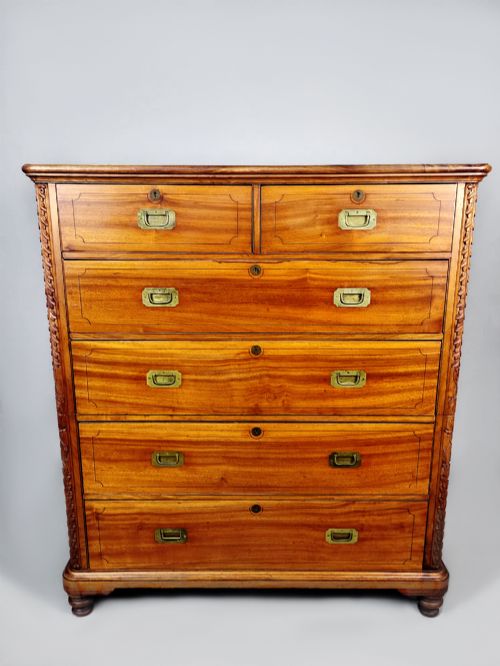
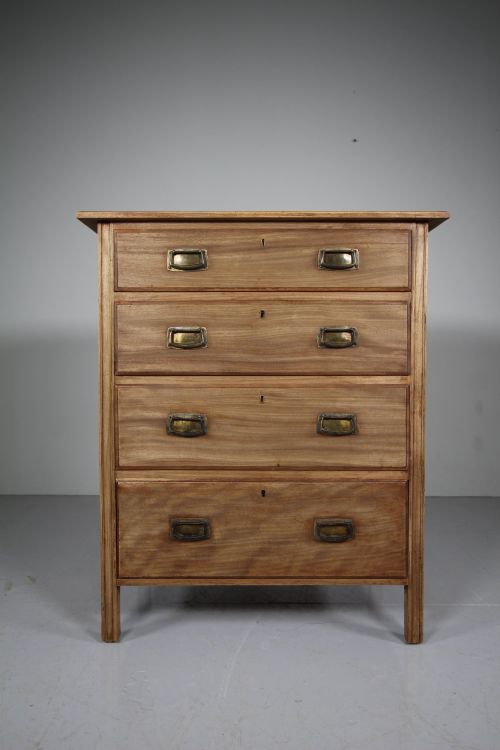
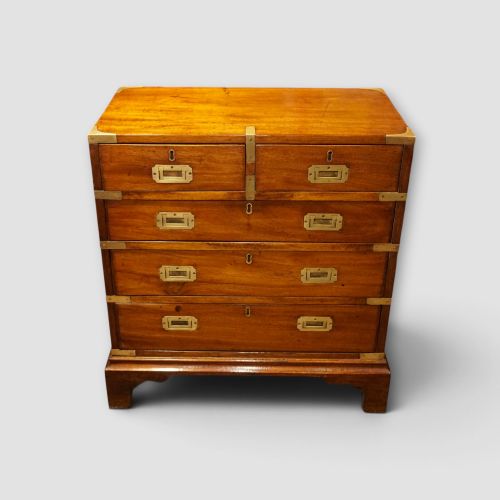
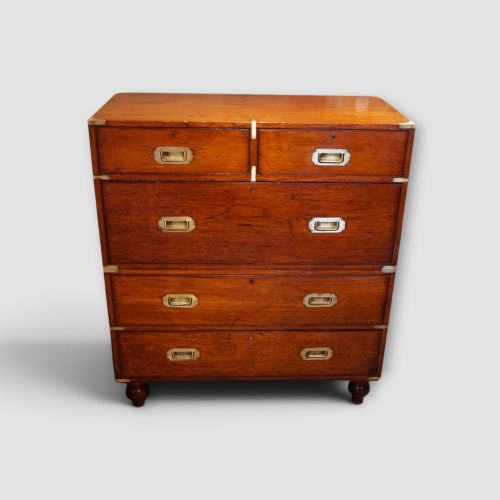
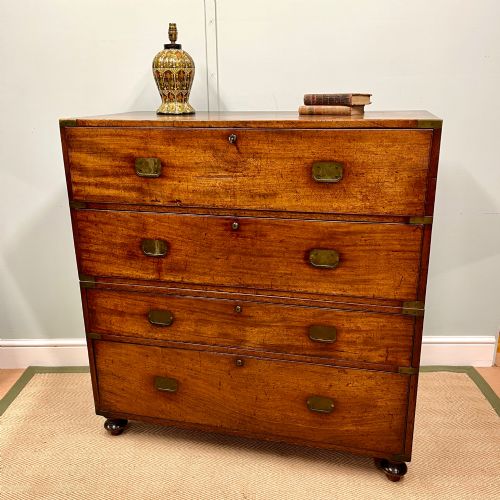
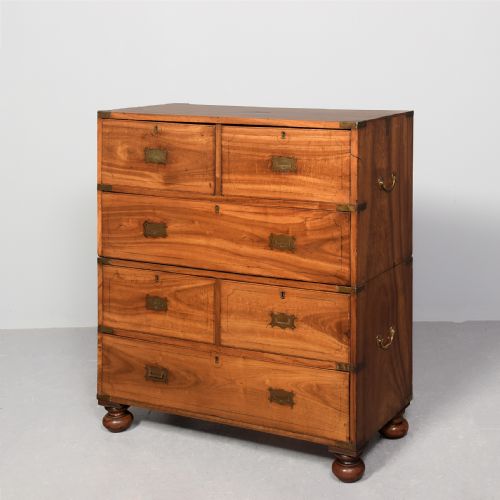
The form often divides into two sections to facilitate loading onto ships or carts during transit. Brass corners, recessed drop handles, and solid timber construction characterise the standard military chests found in this group.
Materials and construction
Carpenters utilised dense timbers such as teak, camphor wood, mahogany, and padouk that resisted humidity and the rigours of long journeys. These woods were joined with tight dovetailing and reinforced with heavy brass straps and corner brackets.
Hardware functioned as both structural protection and decoration, secured with iron or brass screws. Surfaces often received polish or oil to protect the grain of walnut, satinwood, and rosewood.
Colonial Furniture Chest Retail Price Guide 2026
Typical asking prices for colonial furniture chest among the pieces listed under this phrase on Sellingantiques today, from the lower quarter to the upper quarter. They describe what is for sale here now, not the wider market.
Listings feature eighteenth and nineteenth-century periods alongside materials including brass, teak, mahogany, camphor wood, walnut, iron, hardwood, and bone.
Judging quality in colonial chests
Quality rests in the precision of the dismantling mechanism and the integrity of the original brass hardware and recessed pulls. Pieces retaining fitted secretaire drawers with pigeonholes and original locks command greater interest than altered examples.
The selection of timber, such as figured walnut or solid camphor wood, distinguishes standard utility trunks from high-ranking officer quarters. Original keys, tight joints, and unblemished secondary woods elevate the standard of a piece.
Army & Navy Stores
The Colonial Furniture Chest Glossary
- Campaign chest
- A portable chest of drawers made in two or more sections with inset brass handles and corner protectors designed for military officers on the move. These pieces disassembled easily for transport on horses or ships.
- Secretaire chest
- A storage chest featuring a drop-front drawer that opens to reveal a writing surface, small drawers, and pigeonholes. This hybrid form combined desk work and clothing storage in one cabinet.
- Camphor wood
- An aromatic hardwood native to Asia utilised for campaign chests because its natural scent repelled insects. The distinctive timber smells strongly of camphor and ages to a warm golden brown.
- Teak
- A durable, heavy tropical hardwood selected for colonial furniture due to its resistance to moisture and warping. It forms the primary material for the majority of Victorian military chests.
- Brass bound
- A method of reinforcing the edges and corners of travel trunks with brass strips and corner pieces to absorb the impact of transit. These metal mounts are typically screwed flush into the timber.
Colonial Furniture Chest: Frequently Asked Questions
What is a campaign chest?
A campaign chest is a modular set of drawers built in sections with recessed brass hardware so officers could transport their belongings during military deployments.
The design prioritised strength and portability, featuring removable feet and robust corner brackets.
Why use camphor wood?
Camphor wood contains natural oils that act as an insect repellent, protecting uniforms and documents kept inside during tropical postings.
The timber also resists moisture and emits a distinct, lasting fragrance.
How do two-part chests work?
Two-part chests stack one modular cabinet securely on top of another, locked together with side brackets or pins.
This division halved the weight and bulk for loading onto pack animals or cargo holds.
Where were Anglo-Indian pieces made?
Anglo-Indian pieces were constructed in workshops across the Indian subcontinent, often combining British furniture forms with local carving traditions and exotic timbers.
Craftsmen utilised padouk, teak, and sandalwood to produce cabinets and tables for colonial administrators.