




Collectors Display Box
A collectors display box lets you organise and view small treasures safely on a desk or tabletop.
Collectors Display Box
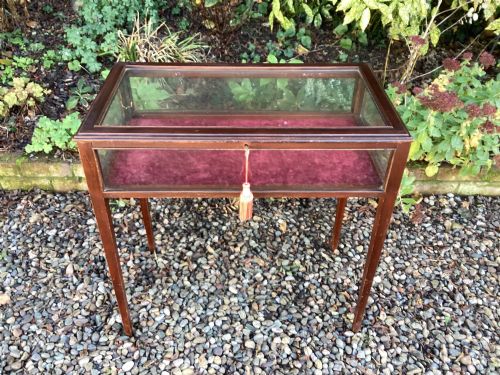
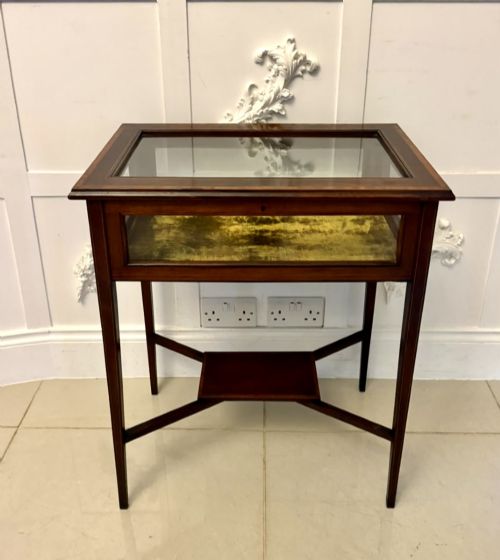
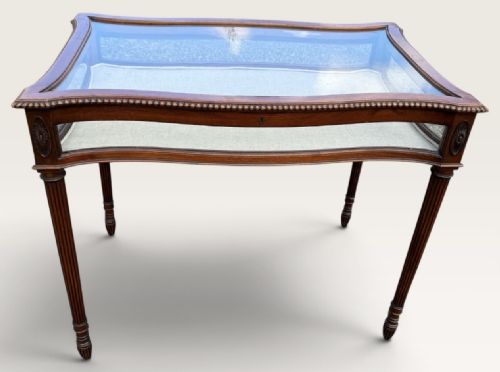
A collectors display box groups together tabletop cabinets, bijouterie tables and countertop cases designed to showcase small items. The examples you find here span the Victorian, Edwardian and early twentieth-century periods, running from eighteen-sixty up to the nineteen-thirties.
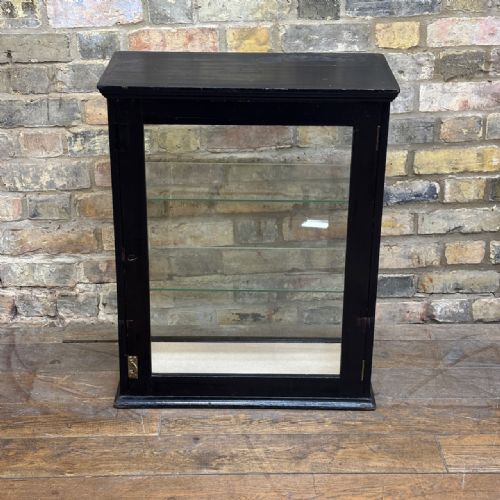
Most pieces combine glazed lids or doors with fitted interior storage, including specimen drawers and lined compartments. You will frequently encounter freestanding bijouterie tables alongside countertop shop cabinets and watchmaker drawer units.
Materials range from rich timbers like mahogany, burr walnut and rosewood to lighter Edwardian satinwood and oak. Ormolu mounts and brass inlay frequently accent the timber frames to frame the glass viewing areas.
How they were made
Cabinet makers used solid and veneered timbers, framing glass panels in mahogany, oak or walnut to protect objects while keeping them visible. Brass hardware, including hinges, handles and escutcheons, secures the doors and lids across both domestic and commercial pieces.
Interiors often feature fitted trays and shallow drawers lined with fabric or velvet to cushion delicate specimens and jewellery. Ormolu and marquetry inlay provide decorative enrichment on finer Victorian and Edwardian examples.
Collectors Display Box Retail Price Guide 2026
Typical asking prices for collectors display box among the pieces listed under this phrase on Sellingantiques today, from the lower quarter to the upper quarter. They describe what is for sale here now, not the wider market.
Listings feature pieces spanning from eighteen-sixty through the Victorian and Edwardian eras into nineteen-thirties commercial design.
What varies in quality
The standard of timber selection and cabinet joinery dictates the overall calibre of a piece. Fine execution shows in tight mitres, smooth drawer action and crisply cast ormolu mounts rather than plain commercial hardware.
Original glass and intact fabric linings elevate a piece's integrity. Refined marquetry inlay and well-figured mahogany or burr walnut distinguish top-tier display tables from utility workshop units.
Manoah Rhodes & Sons Ltd
The Collectors Display Box Glossary
- Bijouterie table
- A glass-topped display table designed specifically for showcasing small valuable objects or jewellery. These tables usually stand on slender legs with hinged or lifting glazed lids.
- Ormolu
- Gilded bronze used for decorative mounts on furniture. It adds metallic contrast to the timber frame of a display case.
- Specimen cabinet
- A drawer-based storage unit intended for natural history or coin collections. Each shallow drawer keeps delicate items organised and dust-free.
- Marquetry
- Decorative veneer work forming patterns or pictures on a timber surface. Edwardian makers often utilised this technique on satinwood and mahogany display tables.
Collectors Display Box: Frequently Asked Questions
What fits inside a collectors display box?
These cabinets and tables suit small precious items such as pocket watches, coins, medals and natural history specimens. Shallow drawers and glass-topped compartments keep delicate pieces visible yet protected from dust and handling.
Larger countertop versions accommodate shop stock or larger collections, while domestic bijouterie tables serve living spaces and studies.
How do I date a display box?
Stylistic clues and timber choices point towards specific eras like the Victorian or Edwardian periods. Heavy mahogany frames with ormolu mounts typically indicate mid-nineteenth-century work, whereas lighter satinwood and inlaid details suggest Edwardian manufacture.
Commercial watchmaker and apothecary cabinets from the nineteen-twenties and nineteen-thirties display utilitarian multi-drawer formats built for trade use.
Where should I place a bijouterie table?
Bijouterie tables work well in sitting rooms or studies where natural light can illuminate the glass display top. Position them away from direct sunlight to protect interior fabric linings and sensitive organic specimens from fading.
Ensure adequate clearance around the legs so lifting lids or opening drawers function smoothly.
How do I care for antique glass and timber?
Dust timber frames gently with a dry cloth and avoid harsh chemical polishes that can degrade nineteenth-century finishes. Clean glass panels with a mild solution applied to a cloth rather than sprayed directly near the wood and fabric.
Check internal velvet or fabric linings periodically and keep the display environment stable regarding humidity.