


Collectible Walking Stick
A collectible walking stick brings tangible history to your hand, combining everyday nineteenth-century utility with remarkable craftsmanship.
Collectible Walking Stick
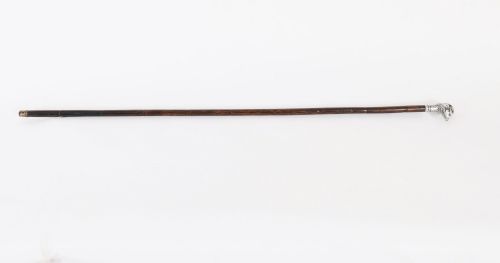
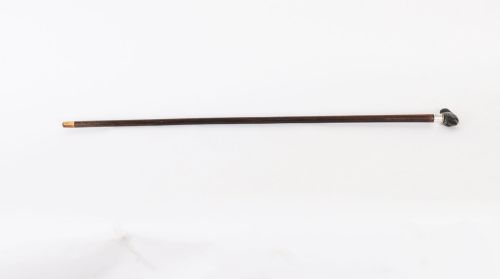
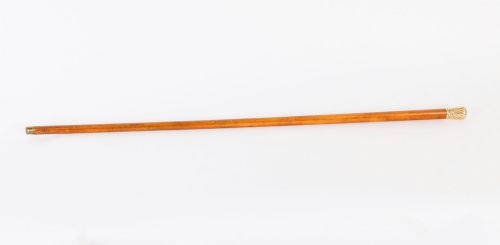
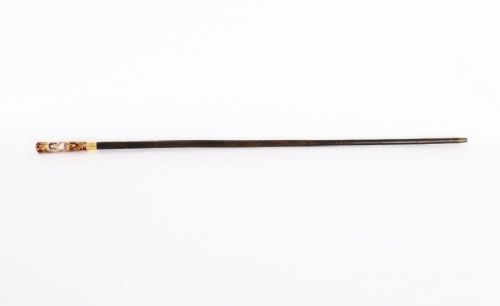
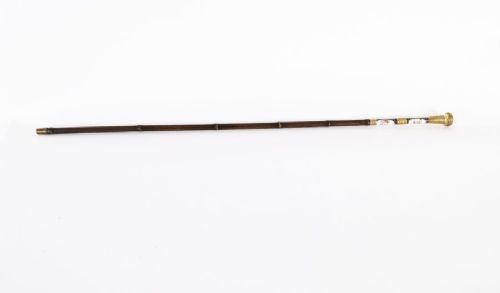
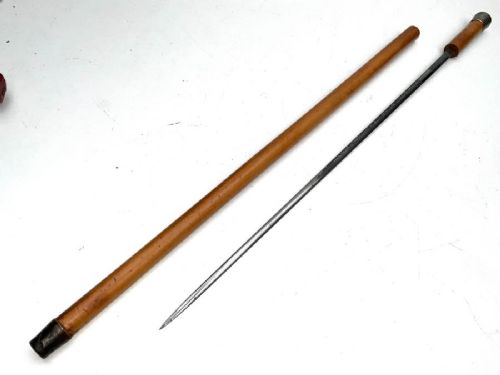
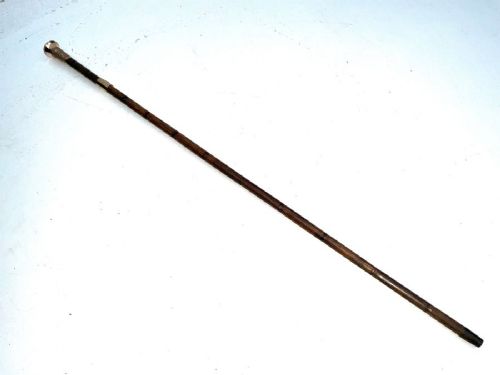
A collectible walking stick encompasses traditional gentleman's walking sticks, canes, swagger sticks, and clever sword sticks originating from the nineteenth century into the early twentieth century. When exploring this selection, buyers encounter diverse forms ranging from practical outdoor aids to decorative social accessories.
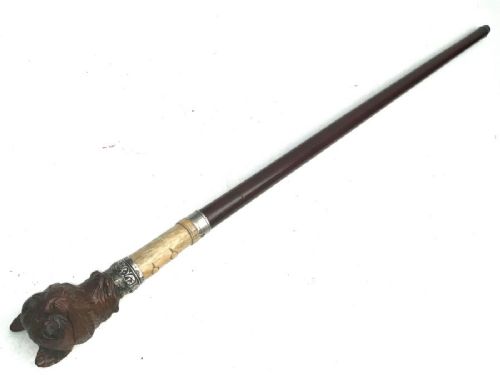
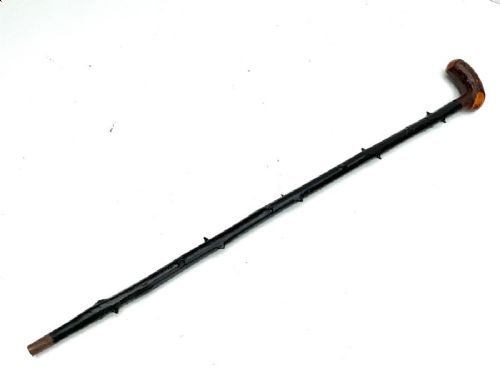
The pieces available span various distinct eras including the Victorian period, Edwardian period, and Art Deco era, alongside French nineteenth-century examples and traditional Irish blackthorn variants. Common functional and novelty configurations include handles shaped as animals, concealed blades, and integrated tools.
Makers and origins vary widely across these items, incorporating British workshops, French porcelain centres, and traditional Irish craft methods. Each object reflects the personal tastes and social standing of its original owner through distinctive handle designs and material choices.
Materials and construction
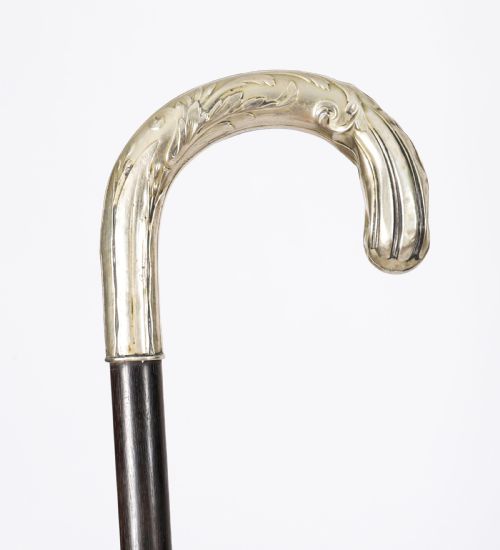
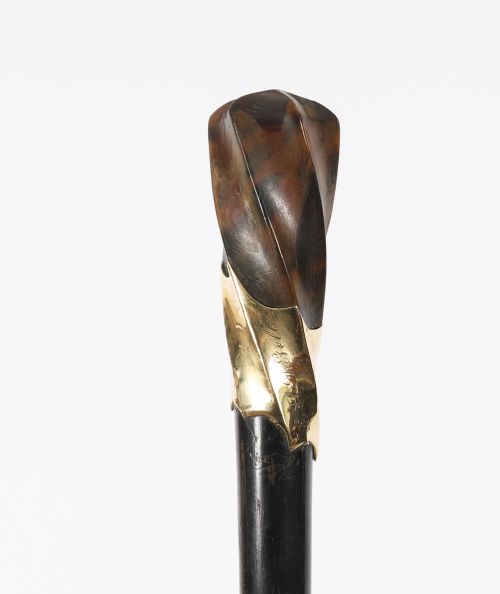
Makers utilised a diverse palette of natural materials, combining hardwoods, holly wood, malacca, and ebonised timber shafts with handles fashioned from horn, bone, leather, and root wood. These organic shafts provided durability and flexibility for daily use.
Metalwork and ceramics played a prominent role in finishing the handles and pommels, incorporating solid 18ct gold, gold plate, silver, silver plate, brass, and steel alongside painted Sevres porcelain. Skilled artisans attached these decorative elements securely to the wooden shafts.
A fortunate owner might uncap their walking stick to find a hidden corkscrew ready for an unexpected picnic.
Judging quality and execution
Quality in these pieces rests upon the finesse of the handle carving, the integrity of the join between shaft and pommel, and the retention of original finishes. Superior examples display crisp detail in metalwork, ceramics, or carved animal motifs.
The inclusion of functional mechanisms, such as concealed sword blades, corkscrews, or precise novelty actions, elevates the standard of manufacture. Finer pieces demonstrate careful balance and superior selection of materials like precious metals or well-figured hardwoods.
The Collectible Walking Stick Glossary
- Pommel
- The decorative handle fitted to the top of a walking stick or cane. It often takes the form of a metal cap, a carved animal head, or a porcelain sphere.
- Sword stick
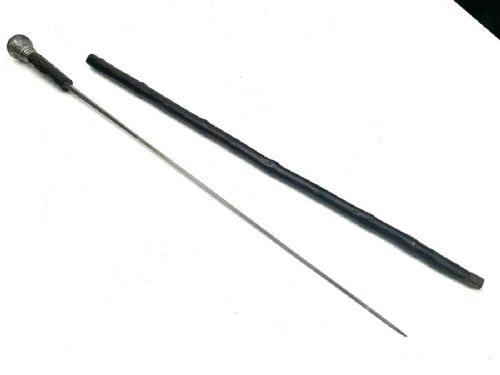
- A walking stick that conceals a blade within its wooden shaft. This dual-purpose design served as both a walking aid and a concealed personal defence tool.
- Swagger stick
- A short, light stick carried by military officers or gentlemen as a symbol of authority rather than for physical support. These often feature decorative metal knops.
- Blackthorn
- A dense, tough wood traditionally utilised in Irish walking sticks and shillelaghs. It retains the natural thorns and knotty texture of the native shrub.
- Malacca
- A prized rattan cane imported from Southeast Asia, valued for its mottled brown finish and straight, resilient structure. It was widely used for high-quality walking stick shafts.
Collectible Walking Stick: Frequently Asked Questions
What is a sword stick?
A sword stick is a walking stick designed to house a concealed steel blade inside its hollow wooden shaft. The blade remains securely locked until released for use.
Historically carried for personal protection during travel, these pieces combine standard walking aids with discreet weaponry.
How do I identify a Victorian walking stick?
Victorian walking sticks generally date from the nineteenth century and reflect the aesthetic trends of that expansive reign. Look for hallmarks on silver pommels, traditional folk art carvings, or specific material combinations like ebonised wood.
Stylistic cues such as ornate silver animal heads and heavy metal mounts frequently point toward this era of production.
What are novelty walking sticks?
Novelty walking sticks incorporate hidden functions or playful handle designs beyond simple walking support. Examples feature integrated corkscrews, golf club heads, or carved animal likenesses.
These items were conversational pieces created to amuse companions or serve secondary practical purposes during outings.
Are these sticks suitable for daily use?
While these items were originally manufactured for walking support or social display, antique examples require careful handling today. Their structural integrity depends on the condition of the wood, the security of the handle join, and any historical wear.
Many collectors prefer to display them or handle them gently to preserve delicate metalwork, porcelain, and antique finishes.