





Collectible Tobacco Box
A collectible tobacco box brings functional history to a desk, shifting from Georgian silver plate to carved Victorian treen.
Collectible Tobacco Box
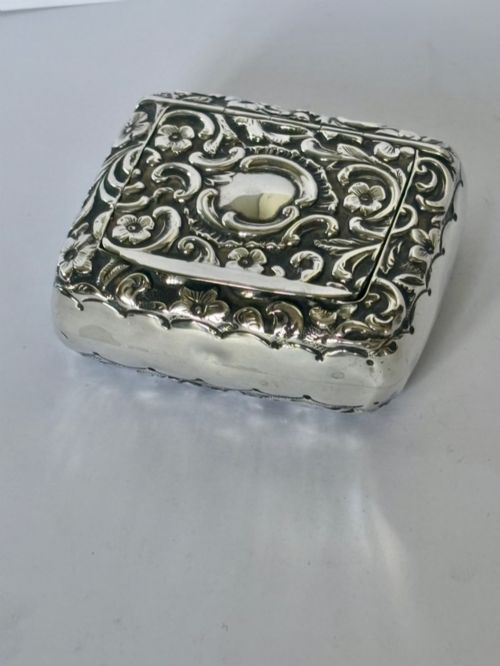
A collectible tobacco box encompasses small personal containers created for leaf and powder, spanning Georgian, Victorian, and Edwardian eras. Buyers encounter varied formats ranging from pocket snuff boxes to desk tobacco jars and Scottish horn mulls.
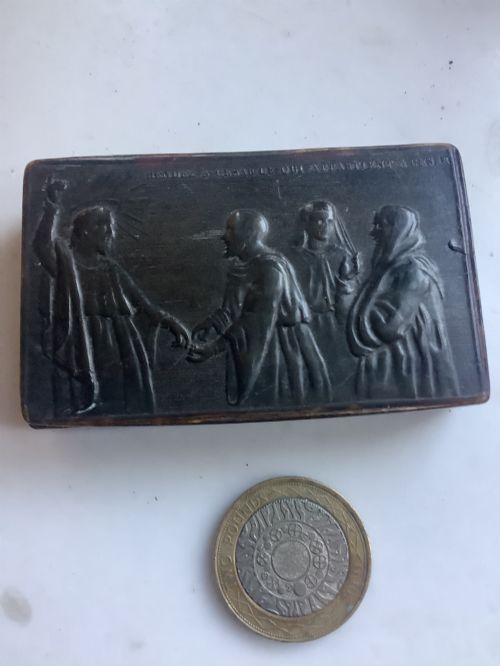
The selection includes specific regional items such as Black Forest carvings, Scottish staghorn mulls, and painted tin tobacco tins. Wooden treen examples sit alongside precious metal vessels mounted with silver and gold.
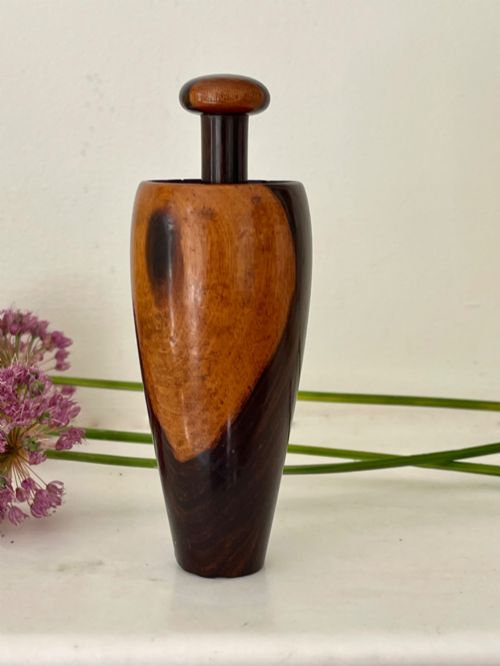
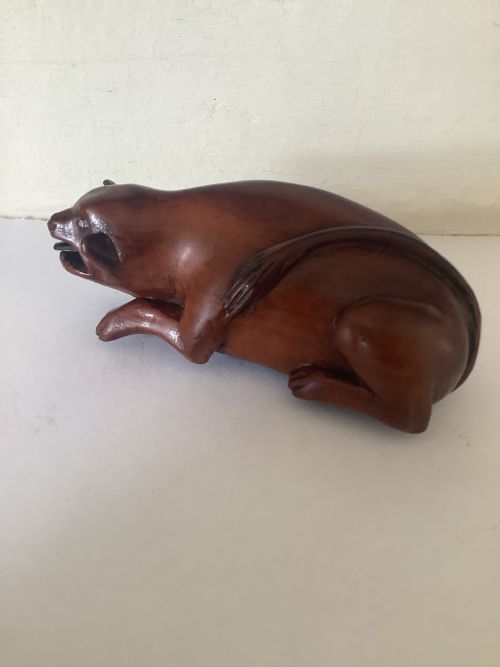
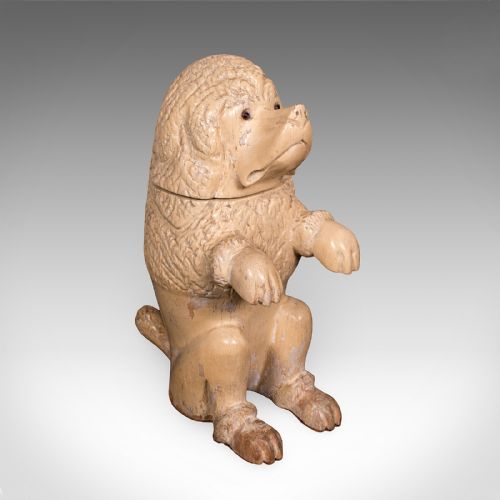
Domestic and novelty items feature prominently in the lineup, including figural dog tobacco jars, shoe-shaped brass pieces, and barrel-shaped yew-wood containers. Each object reflects the smoking and snuff habits of past centuries.
Materials and Craftsmanship
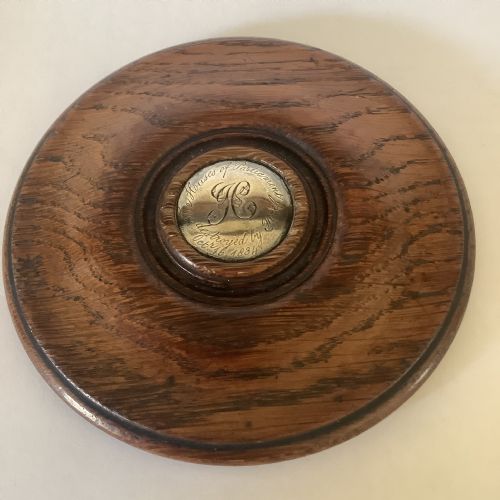
Metals such as silver, sterling silver, and brass undergo embossing, engine-turning, and casting to form hinged boxes and heavy tobacco jars with engraved crests. Makers utilise paint and precious metals to decorate tin and silver surfaces.
Organic materials including tortoiseshell, horn, staghorn, coquilla nut, and shell are shaped and hinged with metal fittings. Woodworkers carve hardwood, ebony, fruitwood, yew-wood, birch, and burr walnut into barrels, shoes, and figural holders.
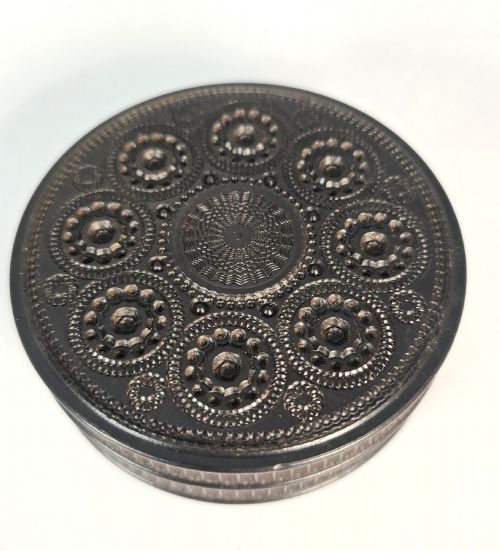
Folk art carving and pen work appear across wooden pieces, utilising naive incisions and detailed surface etching. Coopered construction joins wooden staves together for cylindrical pipe stands and matching tobacco boxes.
Collectible Tobacco Box Retail Price Guide 2026
Typical asking prices for collectible tobacco box among the pieces listed under this phrase on Sellingantiques today, from the lower quarter to the upper quarter. They describe what is for sale here now, not the wider market.
Listings feature 19th Century, Georgian, Victorian, Edwardian, and Regency periods alongside materials like silver, horn, tortoiseshell, and hardwood.
Distinctions in Quality
Execution of detail separates basic utilitarian items from masterworks, evident in the crispness of engine-turning on silver or the depth of relief in carved coquilla nut and Black Forest wood. Precision in the fit of hinged lids and applied gold or silver mounts determines the calibre of a piece.
Materials dictate distinct tiers of manufacture, contrasting humble painted tin against precious gold-mounted tortoiseshell or heavy hallmarked silver bearing maker marks and family crests. The complexity of construction, such as concealed erotic mechanisms or multi-part horn mull assemblies, elevates the standard of the object.
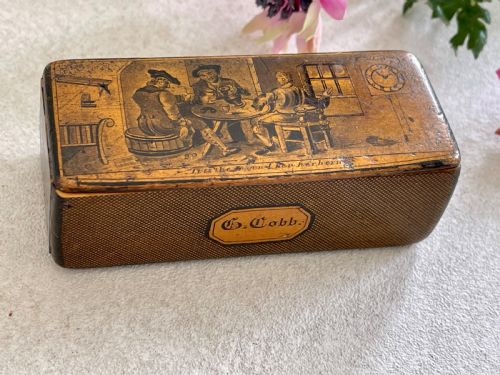
HENRY MATTHEWS·G COBB·E CORNOCK·JAMES PHIPPS I
The Collectible Tobacco Box Glossary
- Treen
- Small handmade wooden objects produced for domestic use. This category covers turned bowls, mortar and pestle sets, and carved boxes.
- Snuff Mull
- A Scottish container used for holding dry snuff, traditionally formed from animal horn mounted with silver hardware. The base often curves naturally.
- Coquilla Nut
- The hard, mottled brown fruit of the South American palm tree, frequently carved into detailed pocket snuff boxes and nut containers during the nineteenth century.
- Engine-turned
- A geometric surface pattern cut mechanically into metal or wood using a lathe. This technique decorates nineteenth-century ebony and silver boxes.
- Snuff Box
- A small pocket container designed to hold aromatic tobacco powder. These feature tight-fitting lids to preserve the scent.
Collectible Tobacco Box: Frequently Asked Questions
How do you date an antique box?
Dating relies on identifying hallmarked maker stamps on silver pieces, alongside stylistic cues from Georgian, Victorian, and Edwardian periods. Material choices like tortoiseshell and painted tin also align with specific manufacturing decades.
Examining hinge construction and internal linings provides further chronological markers for unmarked specimens.
What materials were used?
Craftsmen utilised silver, sterling silver, brass, and painted tin for metal vessels. Organic substances such as tortoiseshell, horn, coquilla nut, and shell formed moulded and carved containers.
Woodworking traditions contributed ebony, fruitwood, yew-wood, birch, burr walnut, and carved Black Forest hardwood.
How were these boxes used?
These containers served to store smoking tobacco, loose leaf, or scented snuff powders for personal consumption. Pocket-sized variations allowed users to carry portions throughout the day.
Larger jars and mortars remained stationary on desks or tables to supply pipes and preparation tools.