



Collectible Sterling Snuff Box
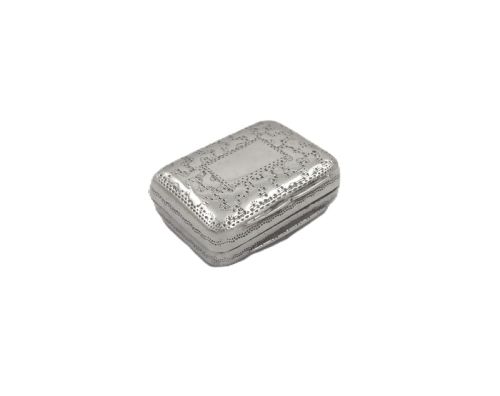
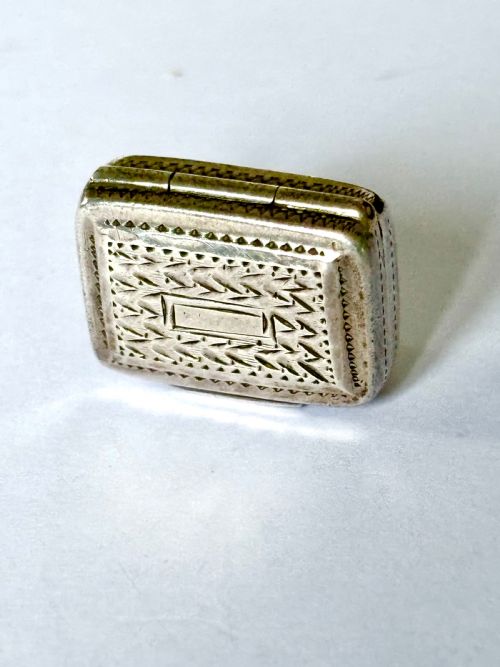
A collectible sterling snuff box is a pocket-sized silver container historically used for holding powdered tobacco, prized for its intricate metalwork and miniature scale.
Collectible Sterling Snuff Box
When you search for a collectible sterling snuff box, you encounter small receptacles shaped to fit a waistcoat pocket, alongside closely related items such as vinaigrettes, tobacco boxes, and pill boxes. These objects date across multiple eras, ranging from the eighteenth century through the Georgian, Regency, and Victorian periods up to the mid-twentieth century.
On this page, you are most likely to meet silver gilt vinaigrettes, embossed snuff boxes, and large tobacco boxes originating from English makers in Birmingham and London, alongside occasional French enamel pieces. The materials span sterling silver, silver gilt, vermeil, and enamel, reflecting diverse historical manufacturing techniques.
Materials and construction methods
The objects are constructed primarily from sterling silver, frequently enhanced with silver gilt or vermeil interiors to protect the metal from the corrosive properties of tobacco and aromatic vinegars. Silversmiths utilised hammering, casting, and embossing techniques to shape the boxes and apply detailed decorative motifs.
Surface ornamentation often includes engine-turning, crest engraving, and guilloche enamel work, particularly on French pieces. Hinges and closures were hand-fitted to ensure secure containment for snuff or scented sponges inside vinaigrettes.
Collectible Sterling Snuff Box Retail Price Guide 2026
Typical asking prices for collectible sterling snuff box among the pieces listed under this phrase on Sellingantiques today, from the lower quarter to the upper quarter. They describe what is for sale here now, not the wider market.
Listings feature items spanning the eighteenth century, Georgian, Regency, Victorian, and mid-twentieth century eras in silver and enamel.
Factors influencing quality and distinction
Quality in these boxes rests upon the crispness of the chased or embossed decoration and the precision of the maker's hallmarks stamped into the silver. Pieces featuring gilt interiors or complex enamel work demonstrate a higher grade of craftsmanship.
The reputation of the silversmith, such as Nathaniel Mills or Reily and Storer, elevates the standing of a piece. Furthermore, the inclusion of personalised crests or integrated coins adds historical depth to the workmanship.
Nathaniel Mills·Henry Matthews·John Bettridge·James Phipps I·Reily And Storer
The Collectible Sterling Snuff Box Glossary
- Sterling silver
- A silver alloy containing 92.5 percent pure silver and 7.5 percent other metals, usually copper, ensuring durability for small portable items.
- Vinaigrette
- A small ornamental box featuring an internal pierced grille, designed to hold a sponge soaked in aromatic vinegar.
- Silver gilt
- Sterling silver that has been coated with a thin layer of gold on its surface, commonly applied to the interior of snuff boxes.
- Guilloche enamel
- A decorative technique where enamel is applied over a metal surface that has been intricately machined with an engraved geometric pattern.
- Hallmark
- A series of official marks stamped on items to indicate the standard of silver purity, the assay office, and the year of manufacture.
Collectible Sterling Snuff Box: Frequently Asked Questions
What is a snuff box?
A snuff box is a small, hinged container designed to hold dry powdered tobacco, known as snuff, for convenient ingestion.
Historically carried in the pocket or handbag, these containers kept the tobacco dry and accessible for social use.
How do you use a vinaigrette?
A vinaigrette functions similarly to a snuff box, but it contains a pierced internal grille rather than a solid chamber.
A scented sponge soaked in vinegar was placed beneath the grille so the owner could inhale the fragrance when needed.
How are periods identified?
Periods are identified through a combination of stylistic design, manufacturing techniques, and official hallmarks stamped into the silver.
Assay office marks and date letters provide precise chronological markers for items made in British assay towns.
How do you display small boxes?
Small silver boxes are typically displayed on flat surfaces in glass-topped cabinets or dedicated collector trays.
Their compact scale allows them to be grouped together by period, maker, or object type to highlight variations in design.