



Collectible Pottery Vases
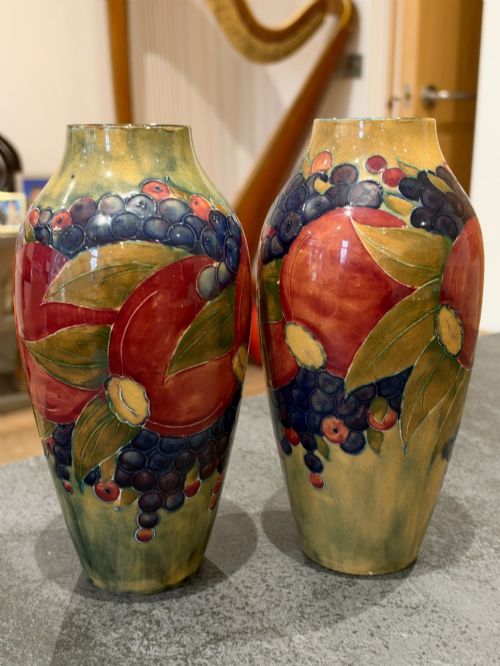
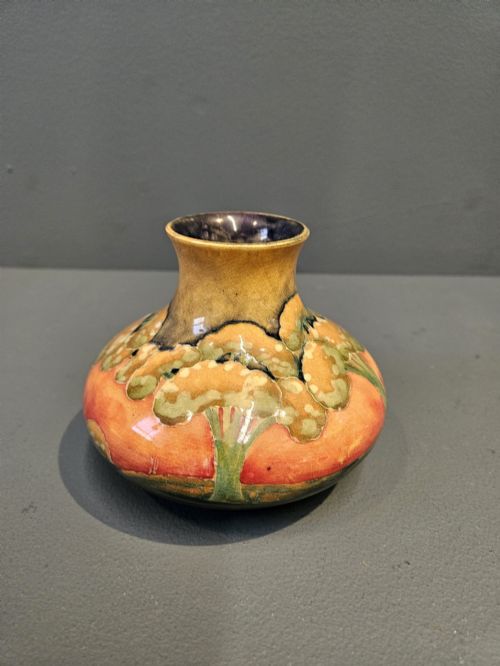
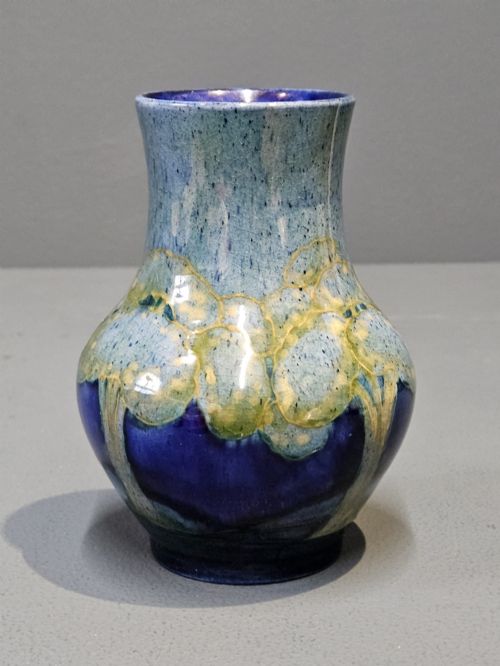
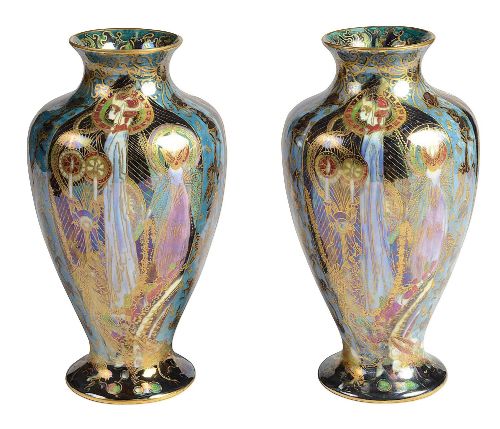
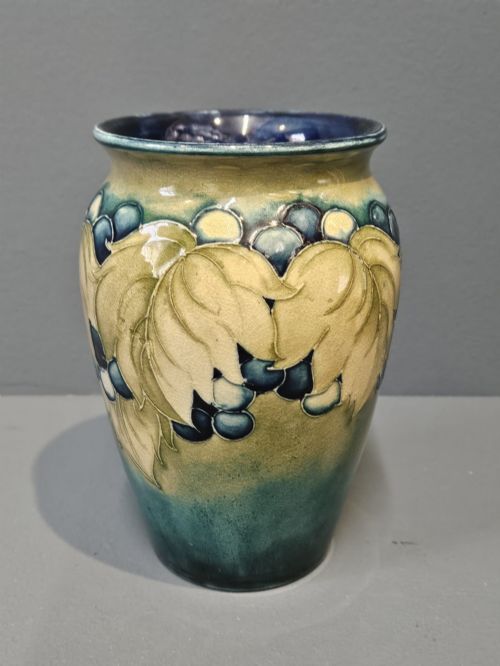
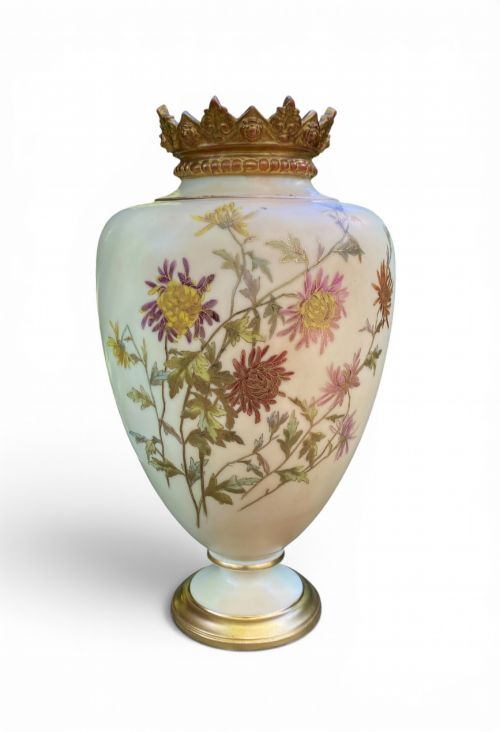
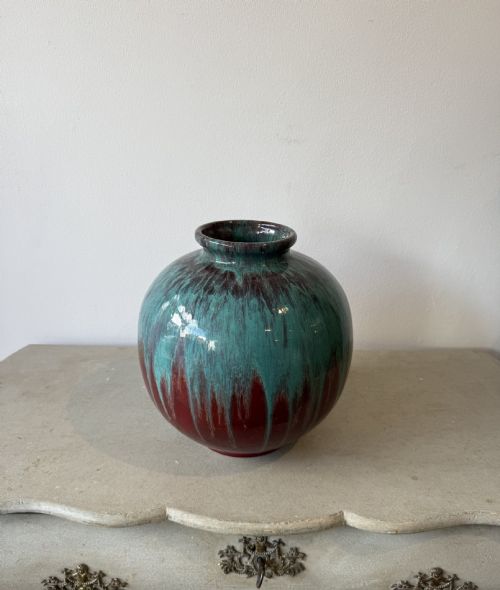
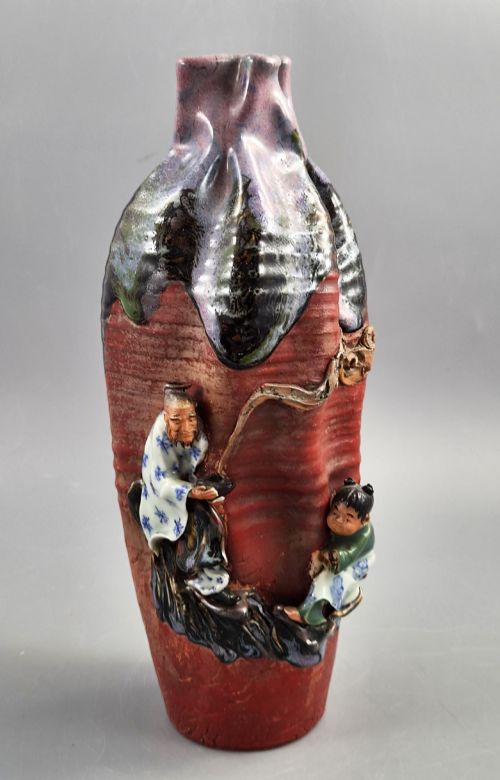
Collectible pottery vases bring tactile weight and rich surface colour into a room, offering everything from fluid Art Nouveau lines to striking Art Deco geometries.
Collectible Pottery Vases
Collectible pottery vases encompass a diverse array of ceramic vessels created across the nineteenth and twentieth centuries, ranging from mass-produced factory pieces to singular studio works. When exploring collectible pottery vases, buyers encounter various forms including baluster shapes, jugs, and urns shaped by notable makers.
The pieces appearing on this page stretch chronologically from the nineteenth century through the 1950s, capturing distinct stylistic shifts like the Arts and Crafts movement, Art Nouveau, and Art Deco. Earthenware, stoneware, and bone china represent the primary mediums utilised in these historical creations.
Moorcroft, Royal Doulton, and Wedgwood emerge prominently among the makers represented, alongside Japanese Meiji period ceramics and French studio pottery. Buyers often seek specific glazed finishes and hand-painted motifs that define these enduring decorative objects.
Distinctions in craftsmanship and design
Quality rests upon the precision of the throw, the stability of the clay body, and the complexity of the decorative scheme applied by the artist or factory. Superior pieces display crisp definition in moulded motifs and deliberate control over reactive glaze flows.
Signature and stamp authenticity elevate a piece, alongside the individual touch of renowned designers whose hand-painted patterns or trial glazes separate standard production items from exceptional works.
Collectible Pottery Vases Retail Price Guide 2026
Typical asking prices for collectible pottery vases among the pieces listed under this phrase on Sellingantiques today, from the lower quarter to the upper quarter. They describe what is for sale here now, not the wider market.
Listings feature pieces spanning from the nineteenth century through the 1950s, highlighting ceramic, stoneware, and bone china materials.
William Moorcroft·Royal Doulton·Royal Worcester·Roger Guerin·Daisy Makeig Jones·Emma Shute
The Collectible Pottery Vases Glossary
- Baluster
- A vertical ceramic form characterised by a swollen lower portion that tapers towards a narrow neck and flared rim. This classic shape provides a stable base while offering an expansive canvas for surface decoration.
- Flambe
- A rich, mottled glaze technique that produces unpredictable, sweeping colour variations during the intense heat of the kiln. This method often yields deep reds, purples, and blues with metallic sheens.
- Earthenware
- Porous pottery fired at relatively low kiln temperatures that requires a glazed surface to hold liquids. It remains a primary medium for historical decorative vessels.
- Biscuitware
- Unglazed ceramic pottery that has undergone its initial kiln firing but awaits the application of colour and glaze. It possesses a matte, porous texture.
- Stoneware
- A sturdy, dense pottery type fired at high temperatures until the clay body vitrifies and becomes naturally impermeable to water. This material resists chipping better than earthenware.
Collectible Pottery Vases: Frequently Asked Questions
How do I display ceramic vases safely?
Place your pieces on stable surfaces away from direct foot traffic and heavy vibrations to protect them from accidental knocks. Ensure they sit out of direct, harsh sunlight to prevent any fading on painted enamel or gilt surfaces.
Keep them away from damp areas or sudden temperature shifts that might stress older ceramic bodies and delicate glazes over time.
Can I use antique vases for fresh flowers?
Many older earthenware and ceramic vessels feature porous bodies or historical hairline fractures that make them unsuitable for holding water safely. Using them dry protects the interior glaze and fragile clay walls from moisture damage.
If you wish to display fresh stems inside a watertight stoneware or glazed piece, place a small, hidden glass insert inside rather than pouring water directly into the antique container.
How do I identify the maker's mark?
Turn the vessel over to examine the base for impressed stamps, painted monograms, or printed factory marks beneath the glaze. These symbols often provide clues regarding the production date and the specific studio or pottery involved.
Compare the markings against established reference guides or maker archives to verify signatures and understand the context of the piece's creation.
What distinguishes stoneware from earthenware?
Stoneware is fired at significantly higher kiln temperatures, causing the clay to vitrify into a dense, non-porous material that does not require glazing to hold liquid. Earthenware remains more porous and requires a vitreous coating to seal the clay body.
Visually, stoneware often feels heavier and displays a more robust structure, whereas earthenware can present a softer body with traditional painted or glazed earthenware surfaces.