



Collectible Metal Box
A collectible metal box brings together utilitarian engineering and personal curation, offering a tangible link to past domestic and professional rituals.
Collectible Metal Box
Buyers seeking a collectible metal box encounter a diverse array of functional vessels spanning the nineteenth and twentieth centuries. These objects range from utilitarian containers designed for everyday commodities to specialist protective housings for legal and professional gear.
Forms vary significantly based on their original purpose, encompassing novelty shapes like miniature tractors and book replicas alongside traditional rectangular snuff and tobacco boxes.
Materials and construction methods
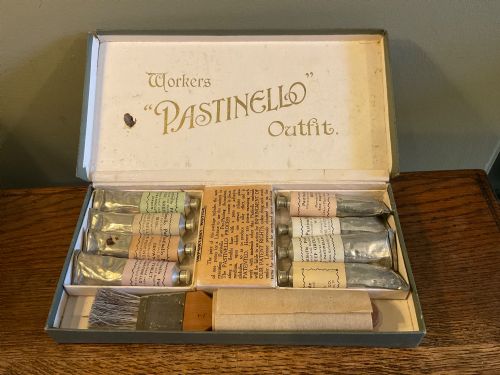
Construction relies heavily on sheet tin, brass, and ormolu, often paired with lithographed paper, painted finishes, or applied surface decoration. Manufacturers utilised stamping and folding techniques to shape tinplate into rigid containers suitable for commercial distribution or personal travel.
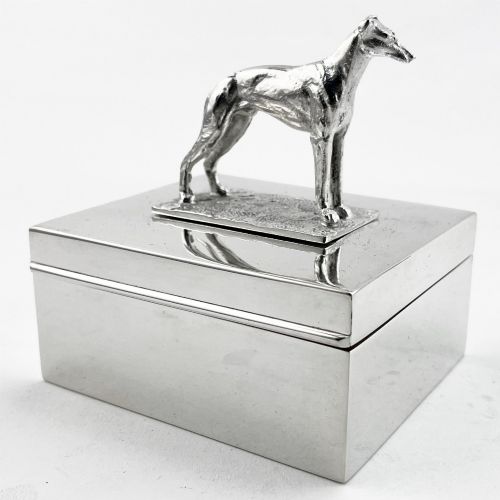
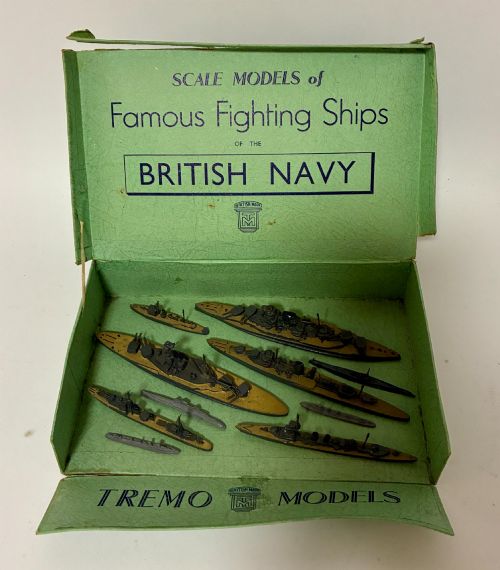
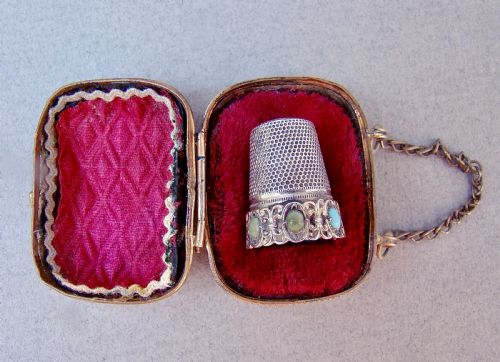
More decorative pieces incorporate cast or chased brass and silver, sometimes set with stones or lined internally with materials such as card, wood, and horsehair to protect delicate contents like scale models or legal wigs.
Collectible Metal Box Retail Price Guide 2026
Typical asking prices for collectible metal box among the pieces listed under this phrase on Sellingantiques today, from the lower quarter to the upper quarter. They describe what is for sale here now, not the wider market.
Some biscuit tins were cleverly printed to mimic the appearance of stacked leather-bound books or carved Indian hardwood.
Assessing quality and finish
Quality in these vessels is determined by the crispness of lithographic printing on decorative biscuit tins and the precision of the metal stamping on novelty forms. Finer examples retain their original applied surface finishes, whether hand-painted details or factory-applied varnishes, without excessive fading or corrosion.
The sophistication of the internal mechanism or fitted lining also dictates value, particularly in specialised items like barrister wig cases and vanity compacts where structural integrity directly reflects the maker's original standard of production.
Eade and Son·Ravenscroft Law·Huntley and Palmers·William Crawfords and Son Ltd·Richard Hudnut
The Collectible Metal Box Glossary
- Lithography
- A planographic printing process used extensively on early twentieth-century biscuit tins to apply colourful, detailed surface designs directly to sheet metal before folding.
- Ormolu
- A finely ground high-zinc brass alloy cast and finished to imitate gold, frequently utilised for decorative mounts and chatelaine cases during the nineteenth century.
- Chatelaine
- A decorative belt hook worn with a series of suspended chains carrying small utility items such as keys, scissors, or tiny protective metal cases.
- Tinplate
- Sheet steel or iron coated with a thin layer of tin to prevent rust, serving as the primary structural material for most commercial and novelty boxes of the period.
Collectible Metal Box: Frequently Asked Questions
What were legal wig tins used for?
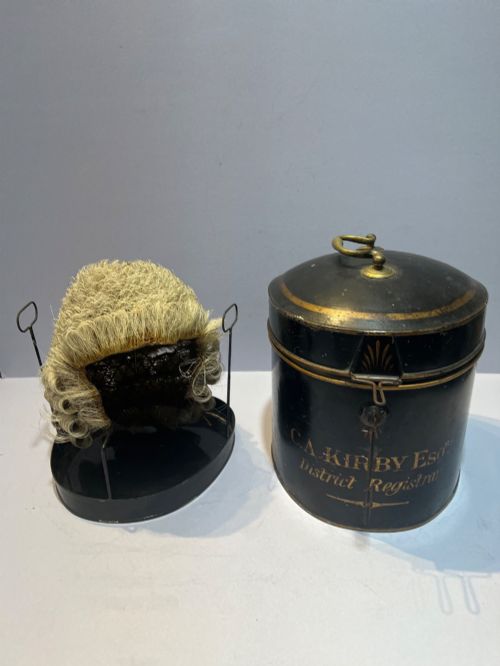
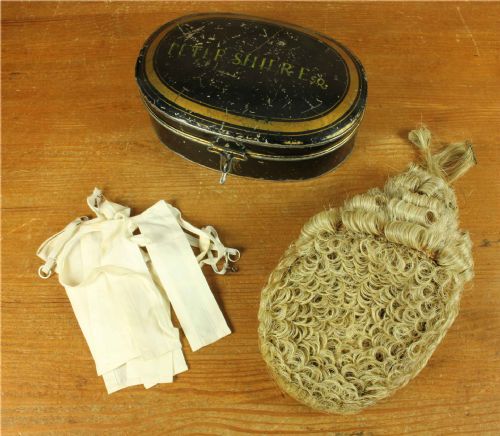
Legal wig tins served as rigid protective transport cases for barristers' horsehair wigs and bands. Their robust metal construction prevented crushing during transit to court.
These containers often bear the names of legal outfitters or specific owners, making them distinct historical artefacts of the British legal system.
How do I date an old biscuit tin?
Dating relies on identifying the manufacturing style, lithographic technique, and the registered company marks printed on the surface. Edwardian and interwar examples often reflect contemporary artistic movements like Art Deco.
Changes in corporate branding and typography also assist in narrowing down the decade of production for pieces produced by major bakeries.
What is a novelty biscuit tin?
Novelty biscuit tins are decorative containers manufactured in non-traditional shapes to attract buyers in the early twentieth century. Manufacturers produced tins shaped like books, vehicles, and carved wooden boxes to serve a secondary decorative purpose once the biscuits were gone.
These whimsical pieces were often designed to encourage retention in the home rather than immediate disposal.