





Collectible Hand Tools
Collectible hand tools are practical workshop implements and domestic treen objects that survive from past centuries, offering tactile links to historic craftsmanship.
Collectible Hand Tools
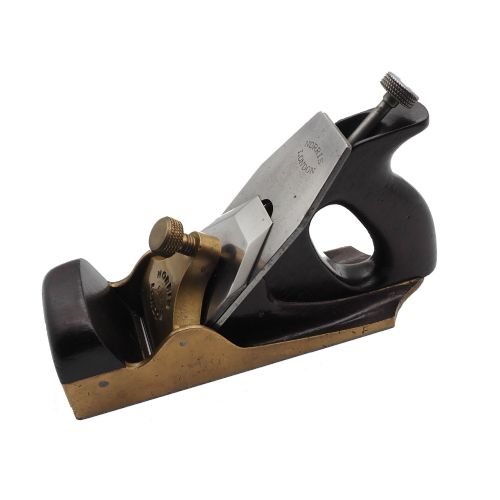
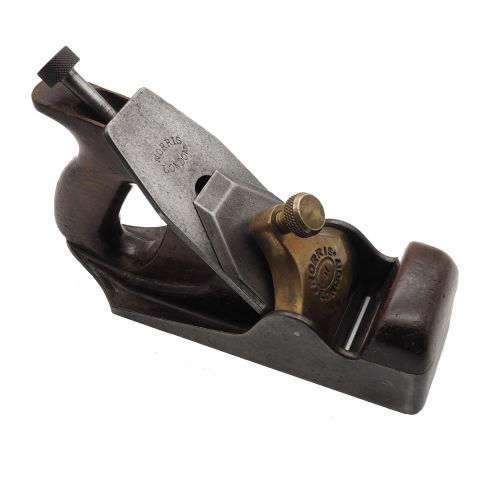
When you search for collectible hand tools, you encounter a varied selection of functional implements spanning the nineteenth and early twentieth centuries. These pieces range from precision metal woodworking planes to domestic treen and sewing equipment.
The most likely versions to meet on this page are Edwardian and Victorian creations, including brass corkscrews, wooden mallets, and specialised smoothing planes. Materials shift between cast steel, gunmetal, brass, and dense hardwoods like lignum vitae and rosewood.
Origins stretch from vernacular folk art objects, such as Durham knitting sheaths and sailors fids, to refined workshop tools by notable makers. Each piece demonstrates the intersection of utility and traditional material craft.
How they were made
Makers utilised durable metals such as cast steel, gunmetal, and brass for precision components, often combining them with adjustable mechanisms and fine finishes. Planes and corkscrews relied on metal casting and engineering to achieve exact tolerances.
Woodworking implements and treen incorporate hardwoods like ebony, walnut, rosewood, and lignum vitae, shaped through turning and hand carpentry. Decorative elements include tunbridge inlay and intricate carved details on domestic objects.
Collectible Hand Tools Retail Price Guide 2026
Typical asking prices for collectible hand tools among the pieces listed under this phrase on Sellingantiques today, from the lower quarter to the upper quarter. They describe what is for sale here now, not the wider market.
Current listings feature items from the Victorian and Edwardian periods, utilising brass, gunmetal, cast steel, ebony, rosewood, and lignum vitae.
What varies in quality
Quality rests upon the precision of mechanical adjustment, the integrity of the original materials, and the survival of makers' marks. Examples featuring complex gunmetal construction or fine tunbridge inlay represent higher tiers of craftsmanship.
The degree of original finish, untouched patination on brass and steel, and the sharpness of hand-carved details distinguish superior pieces from standard utilitarian survivors.
The Collectible Hand Tools Glossary
- Smoothing plane
- A woodworking tool used for finishing timber surfaces by taking very fine shavings. These often feature adjustable iron soles and precise metal bodies.
- Treen
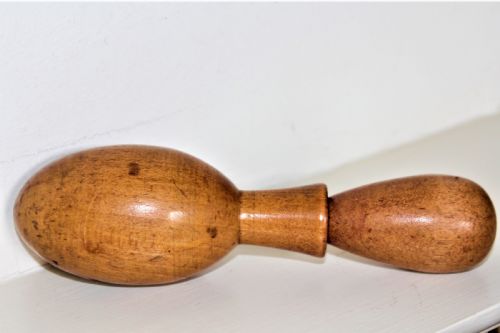
- Small handmade wooden household objects and utilitarian items. This term covers domestic items such as lace folders, sock darners, and knitting sheaths.
- Lignum vitae
- An extremely dense and heavy hardwood traditionally used for mallets and maritime implements. It withstands heavy impact without splitting.
- Tunbridge inlay
- A form of decorative woodworking using tiny coloured wood mosaic tiles to create geometric patterns. It adorns nineteenth century boxes and sewing cases.
- Sailors fid
- A tapered spike made from wood or bone used in rigging ropes and cordage. Maritime workers carved these tools during long voyages.
Collectible Hand Tools: Frequently Asked Questions
What are collectible hand tools?
Collectible hand tools comprise vintage implements used in woodworking, domestic labour, and maritime trades during the nineteenth and early twentieth centuries.
They encompass everything from precision metal planes to carved wooden treen and sewing accessories.
How were old woodworking planes used?
Woodworking planes smoothed, flattened, and shaped timber boards before power tools existed in workshops.
Craftsmen adjusted the metal blades to control the thickness of the wood shavings removed during planing.
How do I care for antique tools?
Keep metal components lightly oiled to prevent active corrosion and store wooden items in stable humidity.
Avoid harsh cleaning agents that strip away historical patina and original surface finishes.