



Collectible Desk Clock
A collectible desk clock sits proudly on a bureau, offering reliable timekeeping wrapped in the elegance of brass, glass, and enamel.
Collectible Desk Clock
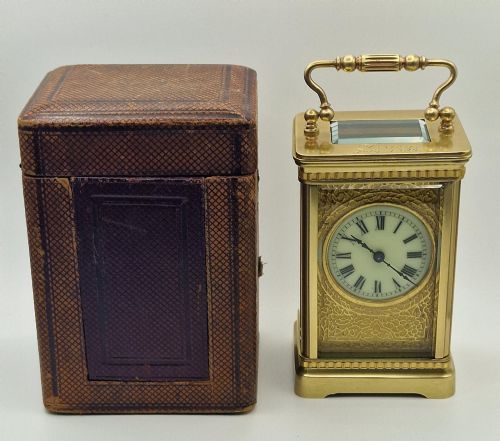
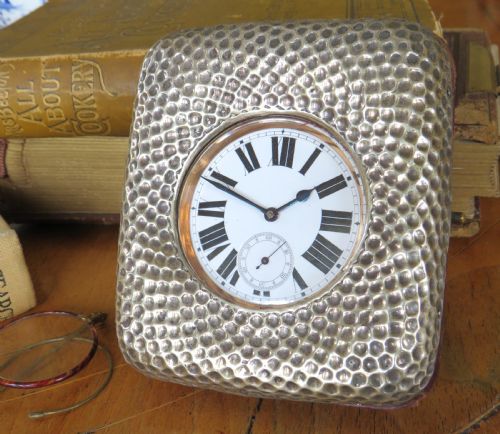
A collectible desk clock brings together mechanical precision and period design, ranging from heavy travel pieces to decorative desk ornaments. Buyers seeking a collectible desk clock will encounter various forms, including carriage clocks, mantel pieces, and specialised travel timepieces.
The selections available span multiple decades and design movements, notably Victorian items, 19th Century French pieces, Art Deco creations, and Mid-Century Modern designs. Carriage clocks dominate the offerings, often featuring robust brass construction and striking movements.
Origins vary across European workshops, with specific pieces tailored for international markets such as China, alongside notable outputs from French makers. This mix provides a broad spectrum of historical horology for everyday display.
Materials and construction
Makers relied heavily on brass and gilt brass to build sturdy outer cases that could house delicate mechanical escapements and strike trains. Glass panels, occasionally frosted or opalescent, allowed the internal gears to remain visible while protecting the dial.
Enamel dials provide crisp readability, while specialised pieces incorporate moulded glass elements and leather outer cases for travel protection. Metal casting and gilt finishing defined the aesthetic standard for desk timepieces across the Victorian and Art Deco eras.
Collectible Desk Clock Retail Price Guide 2026
Typical asking prices for collectible desk clock among the pieces listed under this phrase on Sellingantiques today, from the lower quarter to the upper quarter. They describe what is for sale here now, not the wider market.
Listings span from the Victorian era through the 1960s, incorporating brass, gilt brass, leather, and various types of glass.
Assessing quality and craftsmanship
Superior examples distinguish themselves through intricate movement complications like repeater mechanisms, alarm functions, and sweep seconds hands. The precision of the casting and the depth of the gilding on the brass case indicate the original maker's investment in the piece.
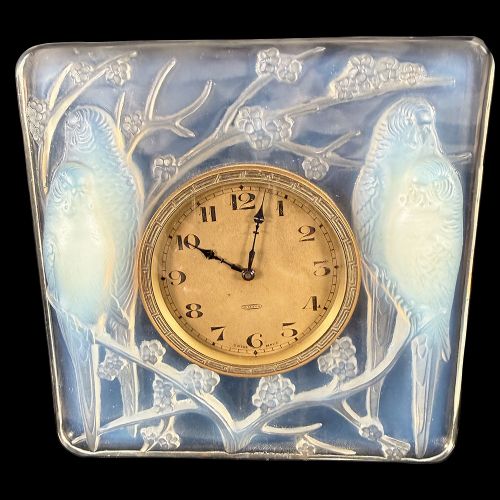
Artistic collaboration elevates certain items, particularly when renowned glass houses produce moulded opalescent dials or sculptural surrounds featuring birds and figurative motifs. Condition of the delicate glass panels and the original clarity of the enamel dial heavily influence the standing of any given piece.
R Lalique·Mappin and Webb·Jaeger Le Coultre
The Collectible Desk Clock Glossary
- Carriage clock
- A portable spring-driven timepiece originally designed for travel during the 19th century, typically featuring a brass case with glass sides and a swing handle.
- Repeater
- A complication mechanism that sounds the hours and quarters upon demand when a lever or button is pressed.
- Opalescent glass
- Glass containing mineral additives that create a milky, translucent appearance with shifting colour tones, often utilised in Art Deco pieces.
- Escapement
- The internal mechanical linkage that regulates the release of energy to maintain the balance wheel or pendulum motion.
Collectible Desk Clock: Frequently Asked Questions
What is a carriage clock?
A carriage clock is a portable mechanical timepiece enclosed in a brass and glass case, originally made for officers and travellers in the nineteenth century. These clocks rely on spring drives rather than heavy weights.
Most examples feature a carrying handle on top and glazed panels that display the escapement and gear train in operation. They range from plain brass travel pieces to elaborate gilt models designed for domestic mantelpieces.
How do I wind a mechanical desk clock?
Mechanical desk clocks require a dedicated key to tension the internal springs through designated arbors on the dial or back plate. Care must be taken not to over-wind the mechanism.
Different arbors control the timekeeping train and, where present, the striking or alarm trains. Regular servicing by a horologist keeps the gears functioning smoothly.
What distinguishes Art Deco clocks?
Art Deco clocks focus on geometric symmetry, stylised motifs, and modern industrial materials like opalescent and frosted glass. Makers integrated the clock face directly into sculptural glass panels.
These pieces often depict natural subjects such as love birds or stylised animals rendered in clean, modern lines. They represent a significant shift away from ornate Victorian styling.
How were travel clocks protected?
Travel clocks often came fitted with heavy leather outer cases designed to shield the brass frames and glass panels from knocks during journeys. The clock could be removed or viewed through a small flap.
These protective cases ensure the survival of the delicate enamel dials and polished metal surfaces over decades of movement.