


Collectible Clock
A collectible clock brings mechanical timekeeping into the room with brass, glass, and burr walnut.
Collectible Clock
A collectible clock encompasses timepieces ranging from Victorian carriage clocks to Art Deco glass designs. Buyers searching for a collectible clock encounter diverse forms such as desk clocks, mantel clocks, and longcase clocks.
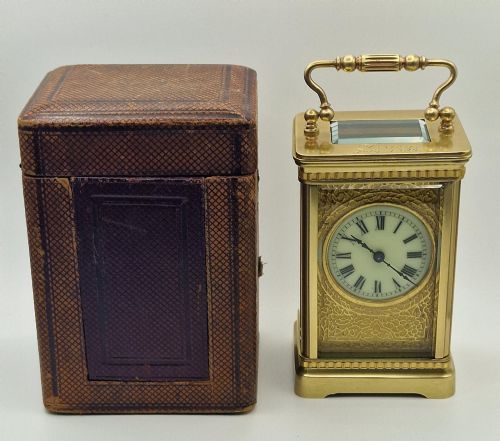
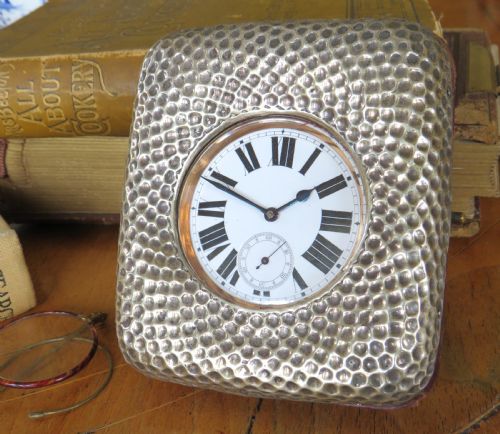
Carriage clocks dominate the selection, appearing in brass, gilt brass, and silver-cased travel variants. These pieces span periods from the seventeenth century through the Victorian and Edwardian eras into the mid-twentieth century.
Makers such as Joseph Windmills, Mappin and Webb, R Lalique, and Jaeger Le Coultre represent the spectrum of these timepieces. Materials extend beyond brass to include opalescent glass, enamel, leather, and burr walnut.
Materials and construction
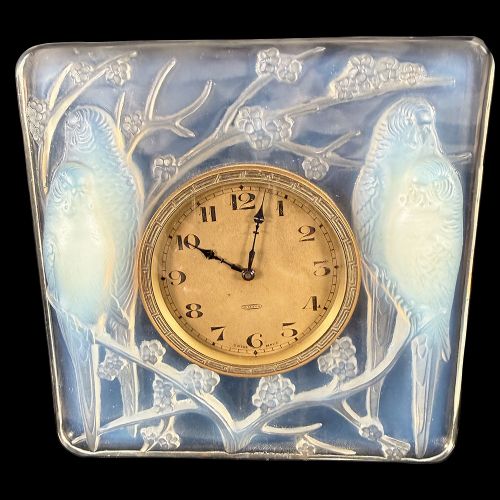
Makers shaped heavy metals into gilt brass and brass cases, housing mechanical movements and striking mechanisms. Glass panels protect dials in carriage clocks, while opalescent glass forms sculptural bodies for decorative desk pieces.
Cabinetmakers utilised burr walnut for tall longcase structures, pairing timber with detailed metal dials. Enamel provides crisp numeral markers on white dials, and leather forms protective travel cases for portable timepieces.
Listings feature clock materials spanning gilt brass, opalescent glass, enamel, leather, and burr walnut across multiple centuries.
Judging quality and finish
Quality rests in the precision of the brass work, the clarity of the opalescent glass, and the complexity of the movement. Striking mechanisms and repeater functions elevate the mechanical merit of a carriage clock above simple time display.
Material choice and maker attribution divide standard production from exceptional work. Signed dials by established names like Joseph Windmills or Mappin and Webb carry distinct craftsmanship distinct from unsigned pieces.
Joseph Windmills·Mappin and Webb·R Lalique·Jaeger Le Coultre
The Collectible Clock Glossary
- Carriage clock
- A portable spring-driven timepiece designed for travel, typically featuring a brass case with glass panels. These clocks often include striking or alarm complications.
- Opalescent glass
- Glass that displays milky or iridescent blue and amber tones, utilised by makers such as Lalique for sculptural clock bodies. This material scatters light across moulded animal and plant motifs.
- Repeater
- A mechanism that chimes the hours and quarters on demand when a button or lever is pressed. This complication requires intricate internal gear work.
- Longcase clock
- A tall weight-driven timekeeper housed in a wooden trunk, such as burr walnut. These floor-standing clocks feature pendulum regulation behind a glazed door.
Collectible Clock: Frequently Asked Questions
How do I identify Art Deco clocks?
Art Deco clocks often utilise moulded opalescent glass featuring animal figures like love birds or cockerels. They reflect the design shifts of the 1920s and 1930s.
Unlike traditional brass carriage cases, these glass pieces prioritise sculptural form alongside the clock face. Signatures from makers like Lalique frequently appear on the glass bodies.
What does striking mean on a clock?
A striking clock uses an internal hammer and gong or bell to sound the hours automatically. Some models also indicate the passing quarters.
This mechanical feature required skilled adjustment by clockmakers to ensure accurate acoustic timing. It distinguishes basic timekeepers from more complex movements.
Where were carriage clocks used?
Carriage clocks originated as portable timepieces for travellers in horse-drawn carriages or early trains. Their sturdy brass cases and protective travel boxes ensured durability.
Over time, owners transitioned these clocks from travel accessories to stationary desk and mantel ornaments. Surviving examples often retain their original leather carrying cases.