

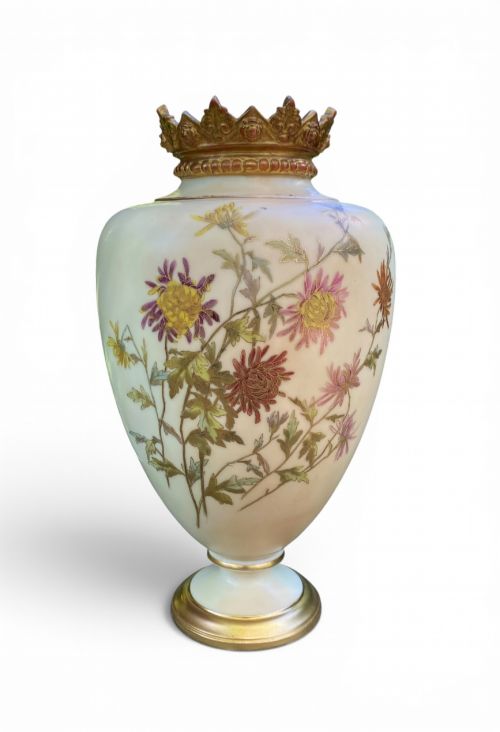


Collectible Ceramic Vases
These collectible ceramic vases bring rich glazes, hand-painted scenes, and distinctive forms from the nineteenth and twentieth centuries straight to a room.
Collectible Ceramic Vases
Collectible ceramic vases encompass functional vessels and ornamental urns produced across diverse periods including the nineteenth century, Edwardian era, Art Nouveau, and Art Deco movements. When searching for collectible ceramic vases, buyers encounter everything from modest earthenware jugs to elaborate porcelain ginger jars.
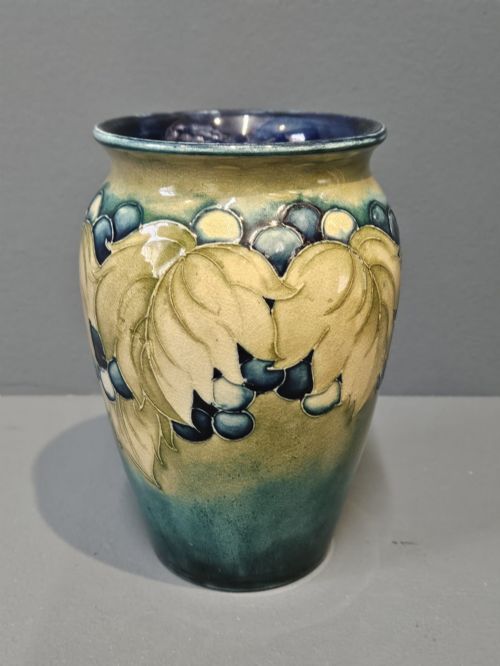
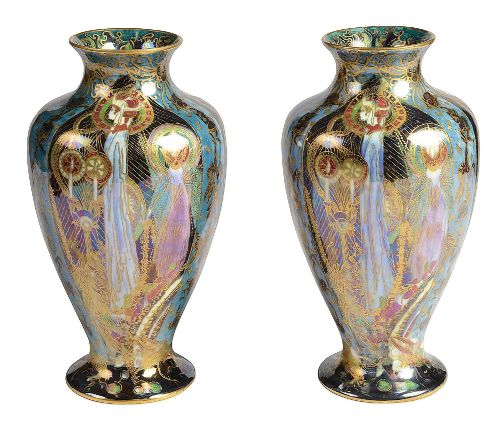
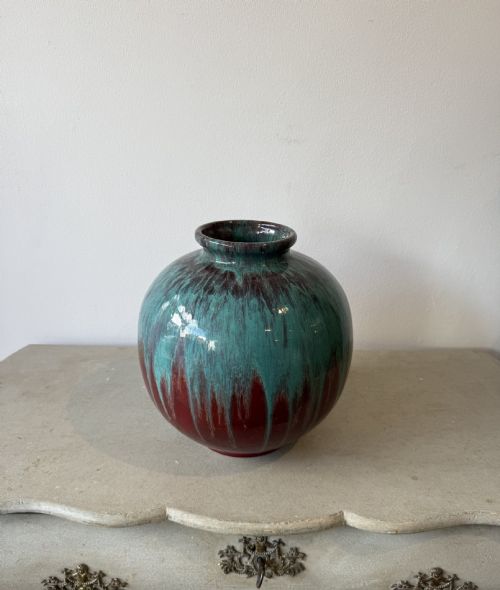
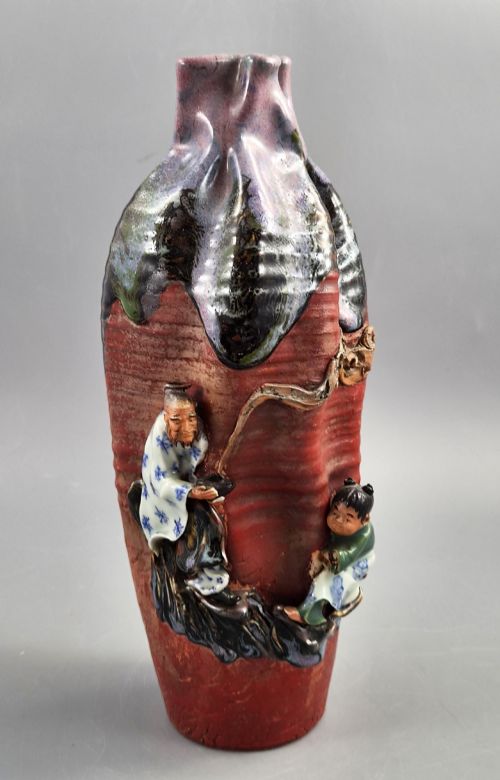
The selection here draws heavily upon early twentieth-century British potteries, featuring prominent output from firms like Royal Worcester and Moorcroft alongside continental and Japanese studio works. Formats range from paired baluster shapes and small cabinet vessels to substantial salt-glazed or flambé-glazed display pieces.
Makers utilised distinct regional styles, applying traditional English painting techniques, Japanese motifs, or French studio methods to ceramic bodies. Buyers find both intimate decorative items and imposing pairs designed as structural focal points.
How they were made
Potters shaped these pieces using earthenware, stoneware, bone china, and porcelain, frequently finishing them with complex glazes like gold leaf, enamel, and deep salt or flambé effects. Artisans applied these materials through throwing, moulding, and turning before firing.
Decoration often involved hand-painted natural scenes, fruit compositions, or abstract patterns executed by named artists. Finished works received specialised kilning to set vibrant colours and lustrous surface sheens.
Collectible Ceramic Vases Retail Price Guide 2026
Typical asking prices for collectible ceramic vases among the pieces listed under this phrase on Sellingantiques today, from the lower quarter to the upper quarter. They describe what is for sale here now, not the wider market.
Decorations range from hand-painted highland cattle and fruit still lifes to abstract glazes and traditional Japanese motifs.
What varies in quality
Quality rests upon the skill of the artist and the sophistication of the ceramic body and glaze chemistry. Pieces featuring detailed hand-painted ornithological or pastoral scenes by known studio artists command greater attention.
The depth and consistency of specialised finishes, such as lustres, flambé runs, and gold leaf applications, distinguish standard production wares from exceptional output. Form complexity and the preservation of crisp maker stamps or artist signatures also influence the standing of each vessel.
Wedgwood·Moorcroft·Royal Worcester·Royal Doulton·Pilkingtons Royal Lancastrian·Royal Crown Derby·Roger Guerin
The Collectible Ceramic Vases Glossary
- Baluster
- A vase form characterised by a swollen lower portion tapering to a narrow neck. This shape provides a stable base and ample surface area for painted decoration.
- Flambé
- A rich, streaky glaze effect achieved through reduction firing in a kiln. The technique produces unpredictable, multi-coloured metallic sheens.
- Pot Pourri
- A decorative jar or vase pierced with ventilation holes to hold dried scented plant materials. These vessels frequently feature painted panels and matching lids.
- Earthenware
- Porous pottery fired at lower temperatures than stoneware or porcelain. It requires an applied glaze to become impervious to liquids.
- Lustre
- A ceramic finish containing metallic elements that create an iridescent, reflective surface. This technique was widely utilised during the Arts and Crafts and Art Deco periods.
Collectible Ceramic Vases: Frequently Asked Questions
How do I date these vases?
Dating relies on factory backstamps, impressed potters' marks, and registration numbers stamped or painted on the base. Stylistic cues such as Art Nouveau sinuous lines or Art Deco geometric forms also help narrow the production era.
Comparing artist signatures with known working periods at potteries like Royal Worcester or Moorcroft provides further chronological precision.
How were painted vases used?
Many larger vases and urns served primarily as decorative interior ornaments on mantelpieces or pedestals rather than holding cut flowers. Paired baluster vases were often displayed symmetrically on furniture to balance room proportions.
Smaller vessels and ginger jars accommodated botanical arrangements or held pot pourri to fragrance domestic spaces.
How do I clean ceramic vases?
Dusting with a dry, soft cloth is generally sufficient for regular maintenance of glazed and painted surfaces. Avoid using harsh chemical cleaners or abrasive pads that can damage delicate enamel and gold leaf.
Water should be kept out of porous earthenware or pieces with internal hairline cracks to prevent staining or structural weakening.