



Collectible Ceramic Urn
These collectible ceramic urn and vase pieces bring rich painted detail and decorative presence to a room, offering fine ceramic craft from various periods.
Collectible Ceramic Urn
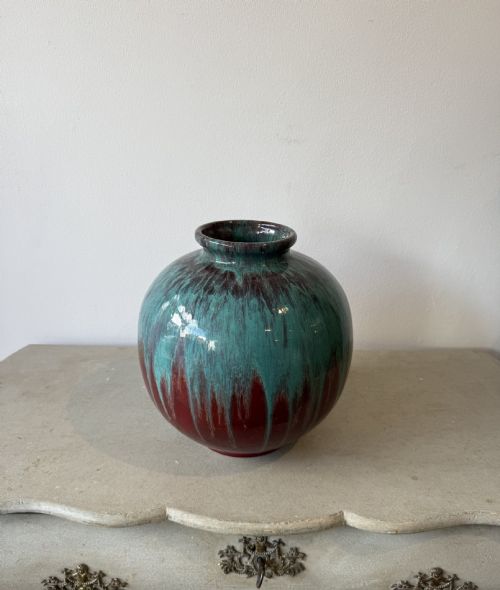
When you search for a collectible ceramic urn, you encounter an array of decorative vessels, ginger jars, and vases spanning the Victorian era through the mid-twentieth century. The selection ranges from substantial pairs bearing hand-painted landscapes and cattle scenes to brightly glazed studio pottery and intricate lustre designs.
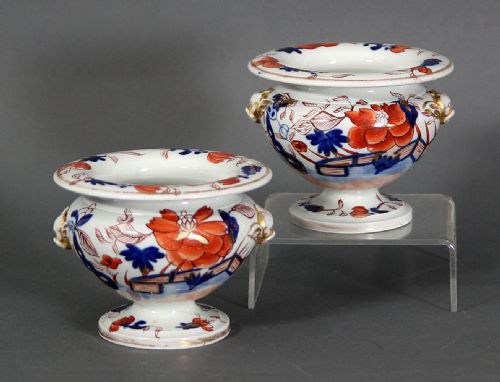
You are most likely to meet pieces originating from prominent English potteries and French makers, executed in styles that shift from ornate Victorian aesthetics to clean Art Deco and Arts and Crafts lines. Forms vary from baluster shapes and pot pourri jars down to smaller salt cellars, each showing specific period ornamentation.
The objects serve primarily as decorative focal points rather than utilitarian vessels. Their enduring appeal lies in the intersection of factory production and individual artistic hand-painting, particularly by noted factory artists whose signatures elevate standard ceramic forms into cabinet pieces.
How they were made
Makers shaped these pieces using earthenware, stoneware, porcelain, and bone china, forming bodies that could support intricate surface treatments. Potters applied specialised glazes, enamel colours, and occasional gold leaf accents to enrich the visual texture of the ceramic surface.
Decoration relied heavily on skilled hand-painting directly onto the ceramic body or glaze, often requiring multiple kiln firings to set complex pictorial scenes, lustre effects, and polychrome enamel designs securely.
Collectible Ceramic Urn Retail Price Guide 2026
Typical asking prices for collectible ceramic urn among the pieces listed under this phrase on Sellingantiques today, from the lower quarter to the upper quarter. They describe what is for sale here now, not the wider market.
The listings include porcelain, earthenware, stoneware, bone china, and enamel, decorated with gold leaf and specialised glazes across multiple centuries.
What varies in quality
Quality separates standard factory output from exceptional pieces through the precision and artistry of the hand-painted decoration. Works featuring named artists show superior brushwork and detailed pictorial depth compared to simpler factory transfers or plain monochrome glazing.
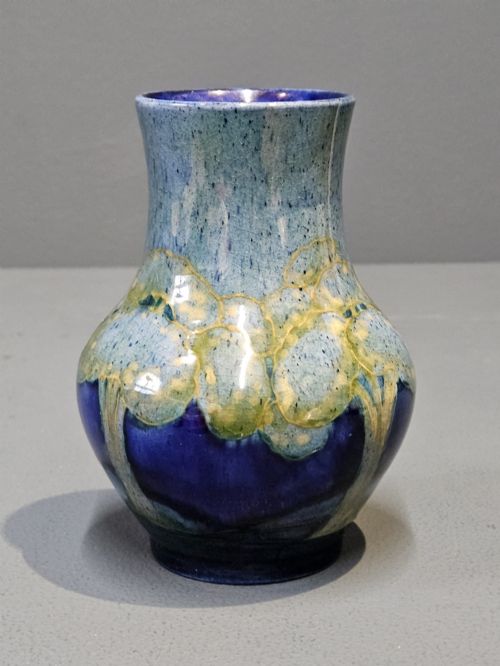
The sophistication of the glaze chemistry and surface finish also defines the hierarchy of pieces, where specialised techniques like lustre effects or deep lapis glazes demand greater technical mastery from the pottery workshop.
Royal Worcester·William Moorcroft·Royal Doulton·Pilkingtons Royal Lancastrian·Royal Crown Derby
The Collectible Ceramic Urn Glossary
- Baluster
- A tall vase or urn shape that curves out near the base and tapers toward the top. This form provides a broad canvas for painted landscapes or decorative patterns.
- Lustre
- A type of ceramic glaze containing metallic elements that produce an iridescent, glowing surface sheen when fired. It creates reflective highlights across the body of the vase.
- Porcelain
- A hard, fine-grained, translucent ceramic material fired at high temperatures. It allowed Victorian and Edwardian makers to achieve crisp detail and delicate forms.
- Pot pourri
- A decorative vessel featuring a pierced or perforated lid designed to diffuse scent from dried plant material inside. These pots often match the painted schemes of larger display vases.
- Earthenware
- A porous, opaque pottery body fired at lower temperatures than porcelain or stoneware. It formed the robust base for many twentieth-century studio and commercial ceramic designs.
Collectible Ceramic Urn: Frequently Asked Questions
How do I identify a painted fruit design?
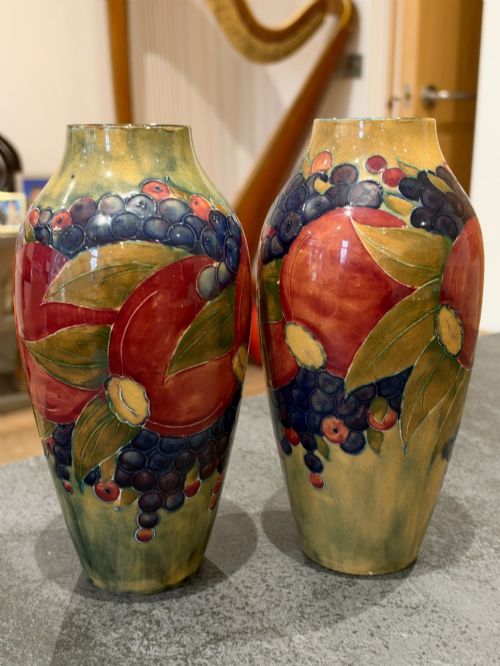
Painted fruit decorations typically feature detailed studies of apples, berries, and foliage against shaded backgrounds, often associated with specific artists working in mid-century potteries.
The brushwork appears dense and layered, utilising rich enamel colours and frequently finished with subtle gilding along the rim.
What defines a Fairyland Lustre piece?
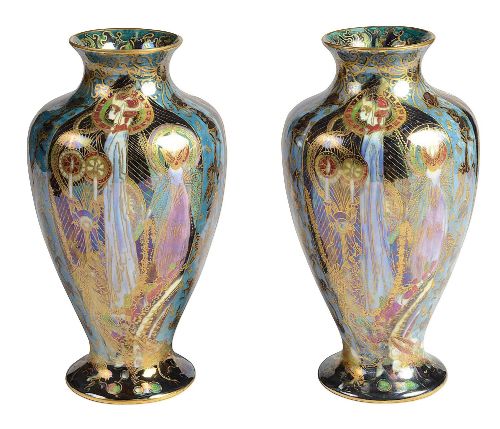
Fairyland Lustre wares display fantastical scenes involving goblins, elves, and mythical landscapes rendered in vibrant, iridescent glaze colours.
Developed by specific designers at prominent factories, these pieces rely on complex multiple firings to achieve their characteristic glowing depth.
How should I display a decorative urn?
These vessels suit prominent positions on mantelpieces, sideboards, or dedicated cabinets where adequate lighting can highlight their painted surfaces and glaze effects.
Because many are paired items, displaying them symmetrically preserves the intended visual balance of the original set.
Are these urns intended for fresh flowers?
Most of these ceramic urns and ginger jars function primarily as ornamental display pieces rather than functional vases for holding water and fresh stems.
Checking the interior helps determine whether the glaze remains intact and suitable for casual use, though many collectors keep them dry to preserve fragile interior surfaces.
How do I tell Victorian pieces apart from later ones?
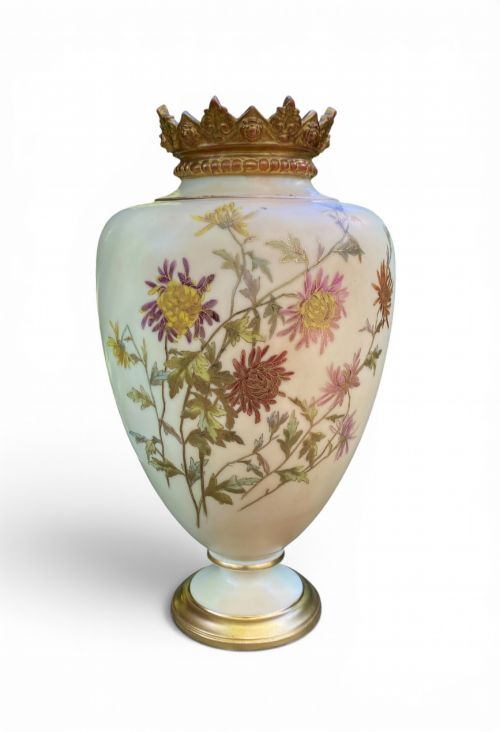
Victorian and nineteenth-century pieces generally lean toward heavier ornamentation, classical revival forms, and rich gilt work, reflecting the aesthetic movements of the period.
Twentieth-century examples, by contrast, often adopt simplified silhouettes, matte or crystalline glazes, and distinct Art Nouveau or Art Deco motifs.