




Collectible Ceramic Plate
A collectible ceramic plate brings hand-painted artistry and storied provenance straight to a cabinet or wall.
Collectible Ceramic Plate
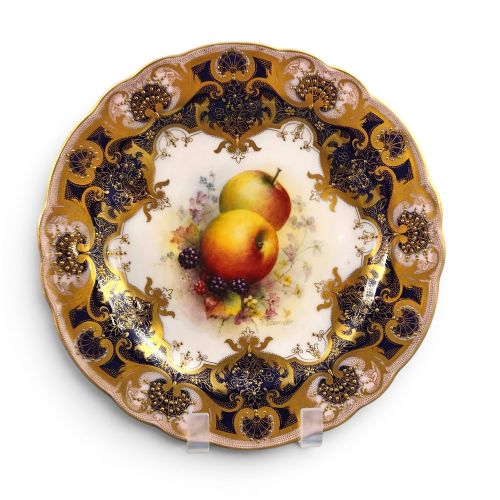
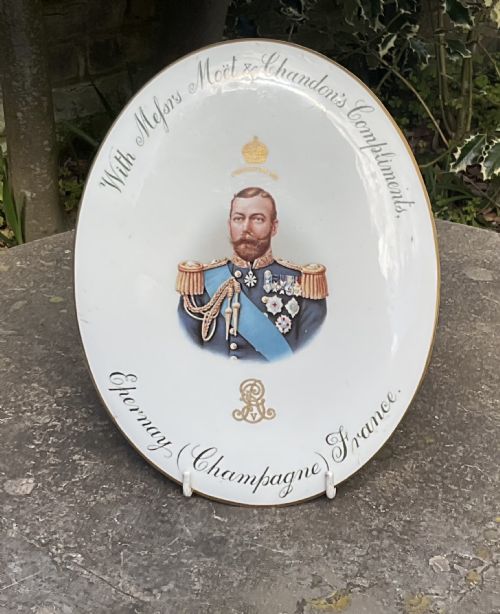
A collectible ceramic plate encompasses everything from hand-painted botanical cabinet displays to royal porcelain side dishes. Buyers searching for a collectible ceramic plate will encounter fine examples spanning from the Georgian era through to the mid-twentieth century.
The selection ranges across prominent English and continental makers, incorporating rich floral motifs, fruit studies, and historical commissions. Forms include traditional cabinet plates, dessert plates, and decorative plaques designed primarily for display rather than dining.
Pieces frequently reflect specific design movements such as Edwardian elegance, Arts and Crafts styling, and Regency refinement. Each item offers a tangible link to historic ceramic manufactories and specialist studio decoration.
Materials and manufacture
Manufacture relies heavily on fine porcelain and hard-paste porcelain bodies, shaped into sturdy plates and plaques designed to hold detailed pigments. Artisans applied hand-painted enamels directly to the glazed surfaces, often highlighting borders and central motifs with gold leaf, gilding, or gilt.
Specialist painters worked within established factories or independent studios, firing the pieces multiple times to set complex polychrome palettes. Secondary materials such as mahogany appear in accompanying display stands tailored to showcase these ceramic works.
Collectible Ceramic Plate Retail Price Guide 2026
Typical asking prices for collectible ceramic plate among the pieces listed under this phrase on Sellingantiques today, from the lower quarter to the upper quarter. They describe what is for sale here now, not the wider market.
Some plates travelled as far as the King of Siam before finding their way back to a collector's shelf.
Assessing quality and craftsmanship
Quality rests primarily on the skill of the hand-painting and the renown of the decorating artist, such as named painters working for major porcelain houses. Finer pieces demonstrate exceptional brushwork in complex subjects like fruit, flowers, or heraldic commissions.
The application of precious metals also distinguishes higher grades, where genuine gold leaf and heavy gilding remain crisp and lustrous. The prestige of the original manufacturer and the historical significance of the commission elevate standard domestic tableware into high-tier cabinet pieces.
Royal Worcester·Cauldon Ltd·Minton·Meissen·Royal Crown Derby·Moorcroft
The Collectible Ceramic Plate Glossary
- Cabinet plate
- A decorative ceramic plate intended for display in a cabinet or on a stand rather than for domestic dining use. These items usually feature intricate hand-painted decoration and rich gilding.
- Hard-paste porcelain
- A dense, durable ceramic composed of kaolin and petuntse, fired at very high temperatures. It forms the robust foundation for many high-quality continental and English plates.
- Gilding
- The application of gold leaf or gold powder to ceramic surfaces to accent borders and motifs. Skilled application creates a durable, luminous finish that elevates the visual weight of a plate.
Collectible Ceramic Plate: Frequently Asked Questions
What is a cabinet plate?
A cabinet plate is a decorative ceramic piece created specifically for display rather than everyday table use. These plates often feature elaborate hand-painted artwork and delicate gilding.
Historically, owners kept them safely in glazed cabinets or mounted them on walls to showcase wealth and artistic appreciation.
How do I display a ceramic plate?
Collectors typically display plates using dedicated wall hangers or sturdy tabletop stands made from materials like mahogany. Proper placement avoids direct sunlight to protect enamel colours and gold leaf over time.
Ensure the display mount supports the weight of the ceramic safely without placing undue pressure on the rim.
How do I identify different periods?
Identifying periods involves examining maker marks, factory stamps, and stylistic cues such as Regency borders or Edwardian floral patterns. Backstamps often change across decades, helping to narrow down the date of manufacture.
Material composition and painting techniques also offer strong clues to whether a piece originates from the Georgian era or the mid-twentieth century.
Were these plates used for dining?
Many fine porcelain pieces were created strictly as cabinet plates or dessert plates intended for high-status social display. Even side plates supplied for official royal use carried artistic significance far beyond standard household dining.
Over time, collectors preserved these items precisely because their decorative nature kept them out of daily service.