



Collectible Bronze Sculpture
Collectible bronze sculpture brings tactile weight and modelled form into a room, spanning nineteenth-century animal studies and twentieth-century modernism.
Collectible Bronze Sculpture
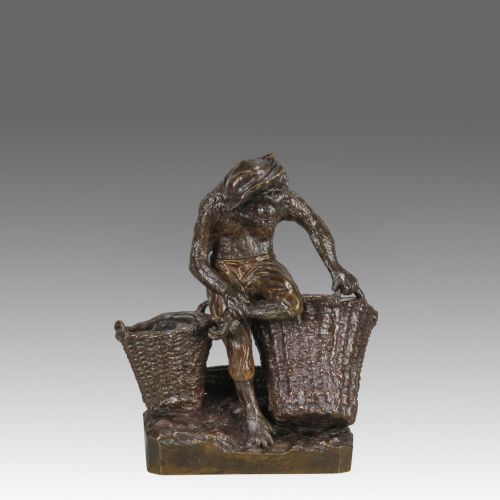
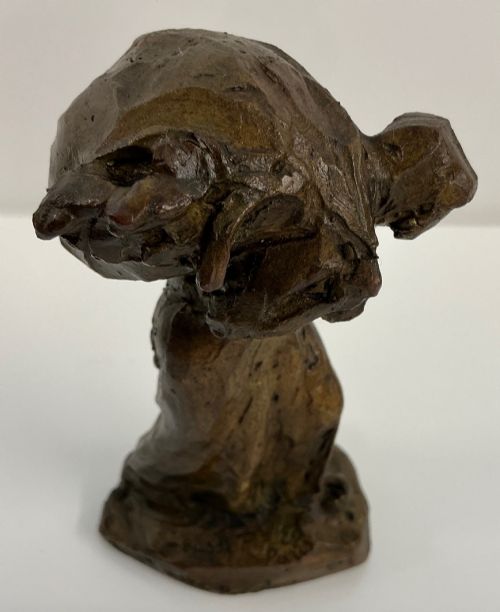
A collectible bronze sculpture represents physical subjects cast in metal, frequently portraying animals, human figures and stylized figures from periods across the nineteenth and twentieth centuries. These works range from small domestic table pieces to larger figures mounted on stone bases.
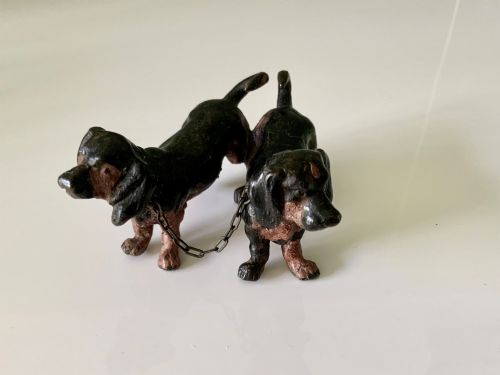
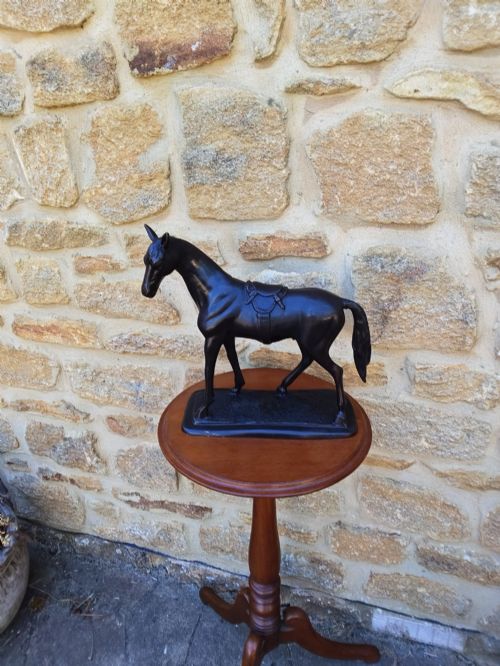
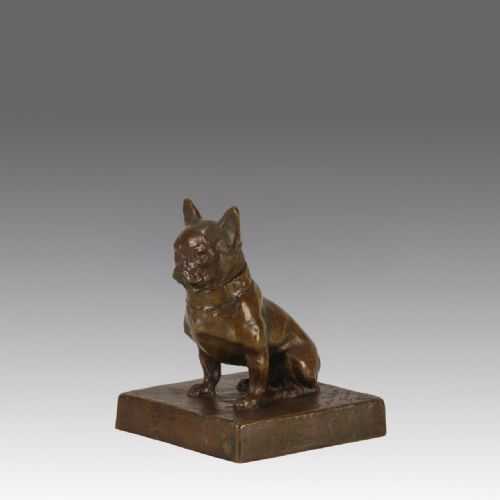
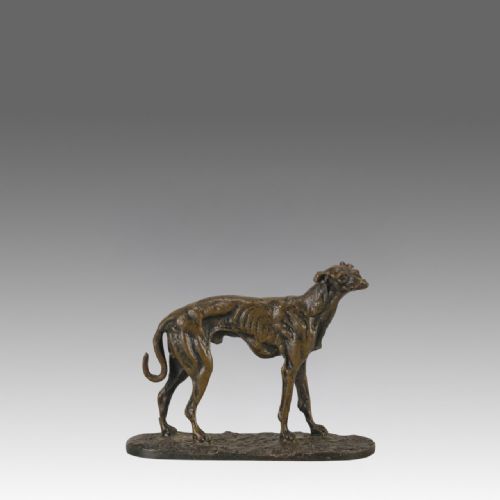
Animalier subjects form a distinct strand within this group, capturing dogs, horses and wildlife with acute observation. Pieces emerge from French, Austrian and Spanish workshops across the Victorian era, the Edwardian period and the Art Deco decades.
Figures and statuettes appear alongside animal subjects, sometimes serving dual purposes such as car mascots or table lighters. The materials combine cast metal with bases of marble, onyx or wood.
Materials and casting
Makers utilised cast bronze, brass and spelter, often applying cold paint, silvering or gilt finishes directly to the metal surface. Patina develops naturally over time or receives chemical treatment during production to achieve desired surface tones.
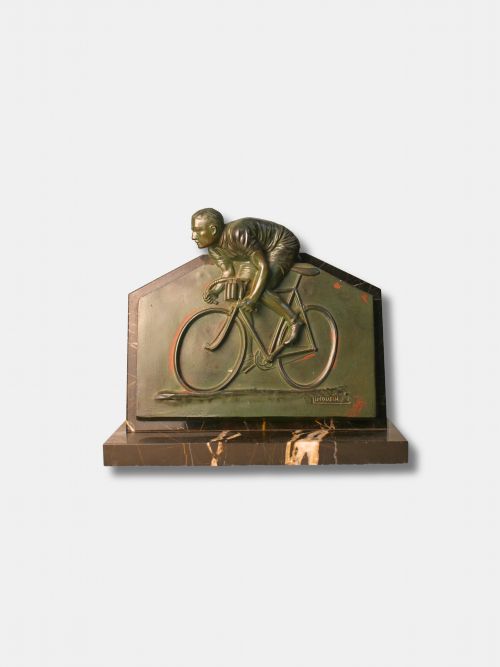
Mounts and integral plinths frequently incorporate marble, onyx, brass and wood to support the weight of the metal figure. Foundry techniques and chased details distinguish individual casts, reflecting the standards of European workshops.
Listings feature bronze, brass and spelter sculptures mounted on marble and onyx, spanning the Victorian era through the Art Deco period.
Evaluating quality and execution
Quality rests in the crispness of the chasing and the fidelity of the cast to the original modelled form. Finer examples retain sharp musculature, clear facial expressions and deliberate surface texturing without loss of detail.
The integration of the metal figure with its stone or wooden base affects the overall harmony of the piece. Superior patination and well-preserved cold painted or silvered surfaces elevate the visual presence of the work.
Christophe Fratin·P J Mêne·Julien Lorieux·Aristide Maillol·Edith Parsons·Franz Bergman·Antoine Bofill·Claire Colinet·Lorenzl·A L Barye·Barbedienne
The Collectible Bronze Sculpture Glossary
- Animalier
- A nineteenth-century artistic movement and style dedicated to the realistic portrayal of animals. Sculptors in this tradition focused on anatomy and movement in wildlife and domestic beasts.
- Cold painted
- A technique where paint is applied to a bronze object after casting without subsequent firing. This finish appears frequently on Austrian cabinet bronzes.
- Patina
- The surface coloration and sheen that develops on metal through age or chemical application. It protects the bronze and adds depth to the appearance.
- Spelter
- A zinc alloy utilised as a substitute for bronze in casting figures, particularly during the Art Deco period. It provides a lighter and more affordable alternative to heavier metals.
- Car mascot
- A sculptural ornament mounted on the radiator cap of an automobile. These figures were cast in bronze or other metals during the early twentieth century.
Collectible Bronze Sculpture: Frequently Asked Questions
What is animalier bronze?
Animalier bronze refers to sculptural works depicting animals, popularised during the nineteenth century by European artists who studied anatomy closely.
These pieces capture wildlife and domestic animals in natural poses, often cast in detailed bronze with rich patination.
How do I care for bronze?
Bronze requires minimal maintenance, needing only gentle dusting with a soft cloth to prevent the accumulation of dirt on the surface.
Avoid using abrasive cleaners, polishes or water, as these can damage the original patina and finish of the metal.
What is cold painting?
Cold painting is a decorative method where pigment is applied to a bronze casting without high-temperature firing.
This technique produces colourful finishes on small cabinet figures, though the paint remains susceptible to scratching and moisture.
How do I identify Art Deco bronzes?
Art Deco bronzes typically feature streamlined forms, geometric bases in marble or onyx, and stylised human or animal subjects.
Materials often include silvered bronze, gilt bronze or spelter, reflecting the aesthetic of the interwar decades.