

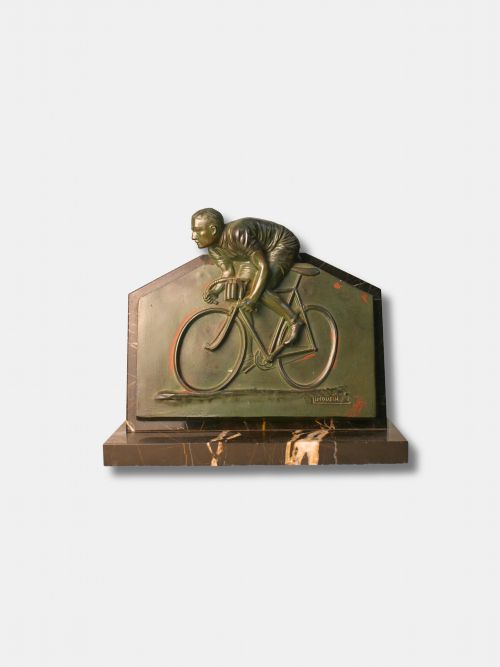


Collectible Bronze Figurine
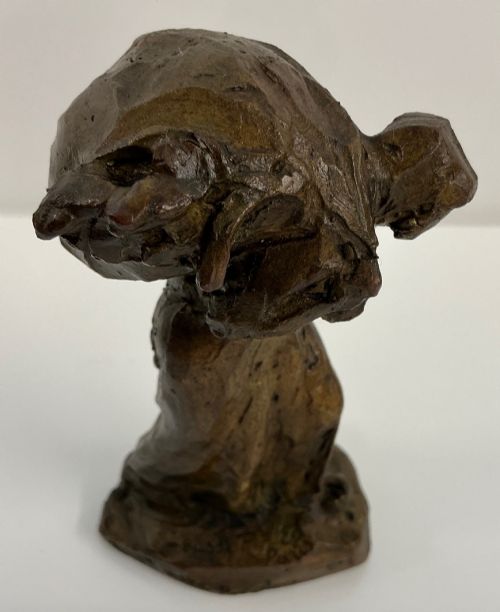
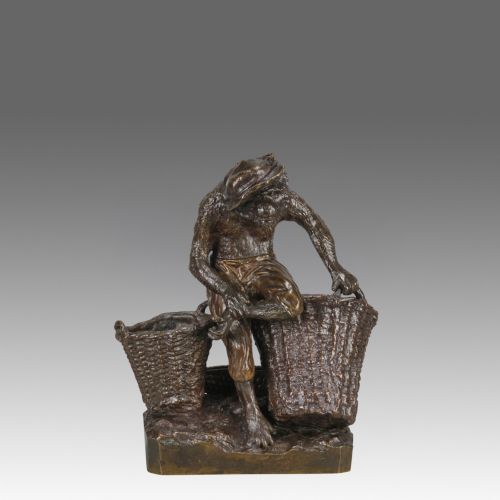
A collectible bronze figurine brings character and tactile weight to a room, offering small-scale sculpture shaped by notable founders and animalier hands.
Collectible Bronze Figurine
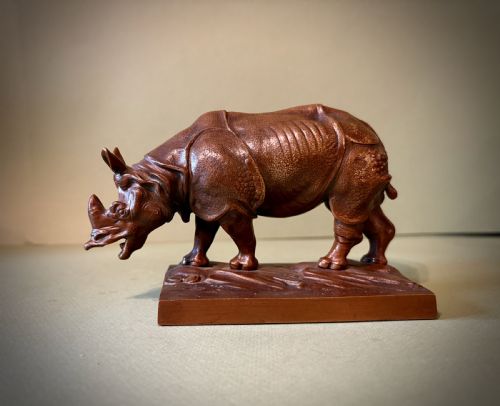
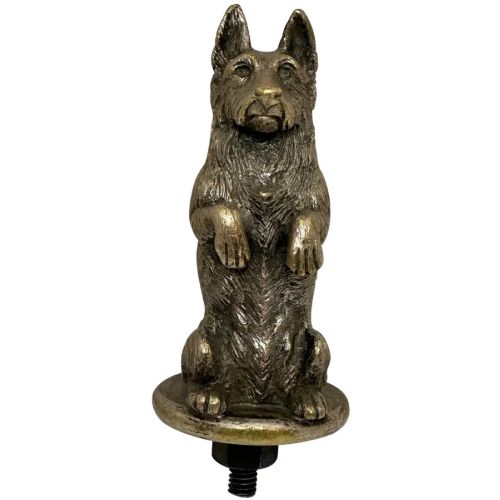
A collectible bronze figurine encompasses small-scale sculptures, animalier studies, car mascots, and table lighters produced across the nineteenth and twentieth centuries. These pieces reflect prevailing tastes from the Victorian era through Art Deco and French Modernist movements.
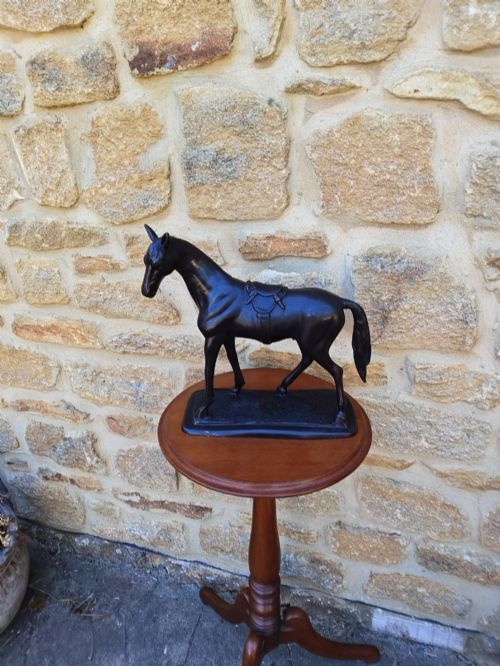
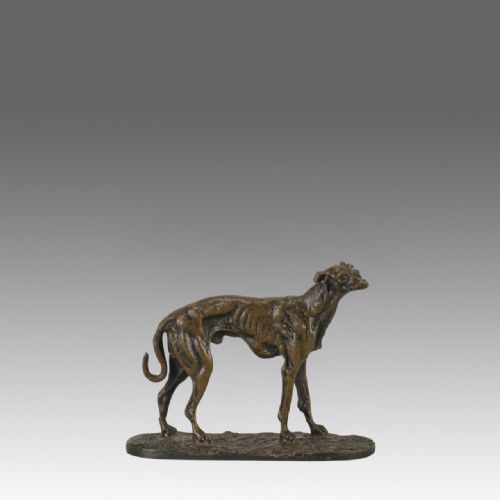
The most common examples encountered on this page date from the 1850s to the 1930s, heavily representing French Animalier schools alongside Austrian cold painted works and English subjects. Terriers, greyhounds, pigs, and sporting figures form a significant portion of the available subjects.
Makers and founders span diverse European traditions, ranging from independent artists and sculptors to established foundries like Barbedienne. Many works carry signatures, foundry stamps, or registry marks such as Geschützt that help identify their origin.
Assessing quality in antique bronze
Quality rests heavily on the crispness of the cast and the fidelity of the chasing work performed after the metal cooled from the mould. Finer examples retain sharp musculature, delicate facial expressions, and legible signatures or foundry stamps that indicate professional production.
The condition and integrity of the original surface patina or cold painted finish play a central role in overall quality. Figures that display minimal wear to their painted or patinated surfaces alongside stable mounting on marble or onyx plinths stand out.
Collectible Bronze Figurine Retail Price Guide 2026
Typical asking prices for collectible bronze figurine among the pieces listed under this phrase on Sellingantiques today, from the lower quarter to the upper quarter. They describe what is for sale here now, not the wider market.
The available selection spans nineteenth-century realism, Edwardian studies, and twentieth-century Art Deco designs.
Christophe Fratin·P J Mêne·Jules Dalou·Julien Lorieux·Aristide Maillol·Edith Parsons·Franz Bergman·Joseph Francois Victor Chemin·Antoine Bofill·Claire Colinet·Lorenzl·A L Barye·Barbedienne
The Collectible Bronze Figurine Glossary
- Animalier
- A nineteenth-century artistic movement focused on the realistic portrayal of animals, particularly dogs, horses, and wild beasts in motion or repose.
- Cold painted bronze
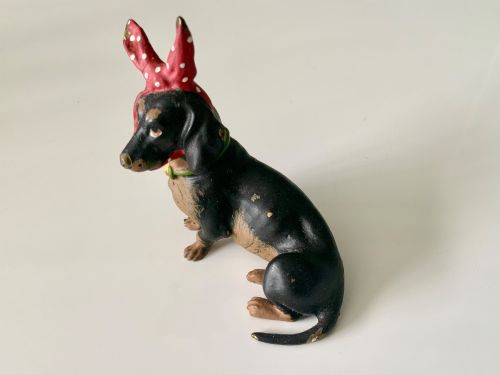
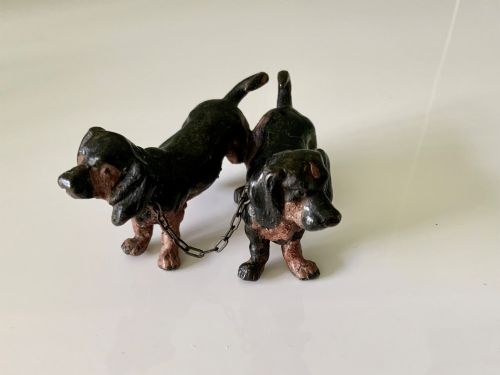
- A technique where bronze figures are painted with cold enamel colours after casting, most famously associated with Austrian workshops.
- Patina
- The surface coloration and sheen developed naturally over time or applied chemically by the foundry to accentuate the contours of the bronze.
- Spelter
- A zinc alloy frequently utilised as a cost-effective alternative to bronze during the nineteenth and twentieth centuries, often finished with metallic paint.
- Geschützt
- An Austrian and German term meaning protected or patented, frequently stamped on small bronzes to indicate registered design rights.
Collectible Bronze Figurine: Frequently Asked Questions
What is a collectible bronze figurine?
A collectible bronze figurine is a small cast metal sculpture depicting animals, human figures, or functional items like lighters and car mascots. These pieces were produced in Europe during the nineteenth and early twentieth centuries by notable artists and foundries.
They offer a tangible connection to periods such as the Art Deco era and French Animalier movement. Collectors display them on desks, cabinets, and tables for their artistic detail and compact scale.
How do I identify an animalier bronze?
Animalier bronzes focus specifically on the naturalistic depiction of animals, capturing creatures in realistic anatomical detail. Look for energetic poses such as a greyhound in motion or a terrier standing alert.
These sculptures frequently bear the signature of the sculptor on the base, along with foundry marks. The casting quality typically reveals careful attention to muscle structure and fur texture.
What is cold painted bronze?
Cold painted bronze refers to metal figures decorated with layers of oil or enamel paint applied without high-temperature firing. This technique was widely utilised by Austrian workshops to give lifelike colour to small animal figures.
Over time, handling can cause areas of the paint to wear, revealing the bronze underneath. Preserving these pieces involves avoiding harsh cleaners that might damage the remaining pigment.
How should I display bronze figurines?
Bronze figurines benefit from stable placement away from direct moisture and extreme temperature fluctuations. Many pieces feature integrated marble or onyx bases that anchor the weight of the metal.
Grouping figures by period or subject creates an engaging display on bookshelves or mantelpieces. Occasional dusting with a soft, dry cloth helps maintain the integrity of the patina.