



Collectible Bronze Casting
Collectible bronze casting brings home centuries of metalwork, offering solid animal figures and utility pieces that anchor a room.
Collectible Bronze Casting
Collectible bronze casting spans domestic animal figures and functional items like mortars, pestles, and signal cannons produced across the nineteenth and early twentieth centuries. These objects reflect the changing tastes of European workshops, moving from utilitarian kitchen hardware to expressive animalier sculptures.
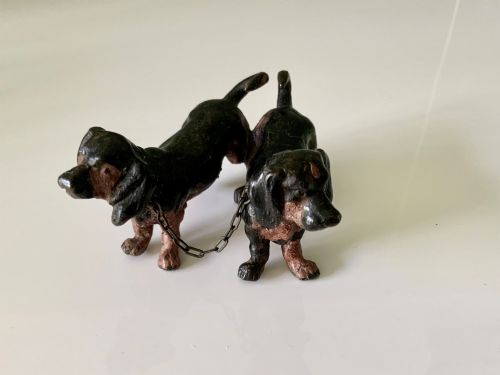
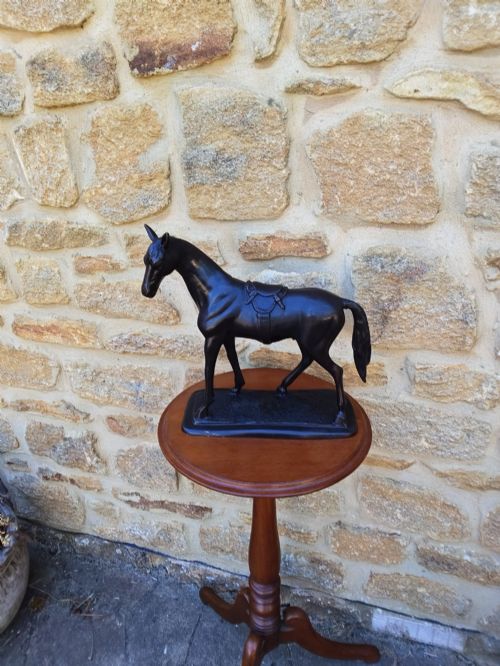
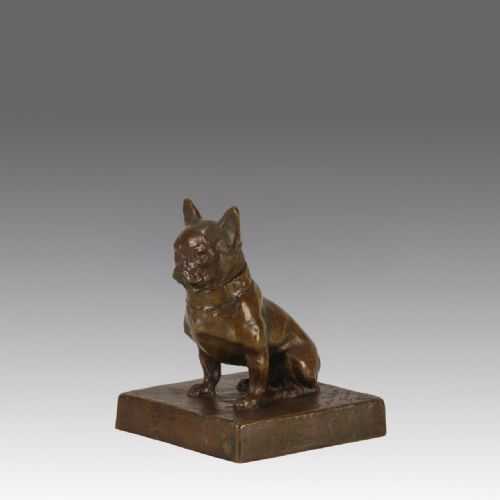
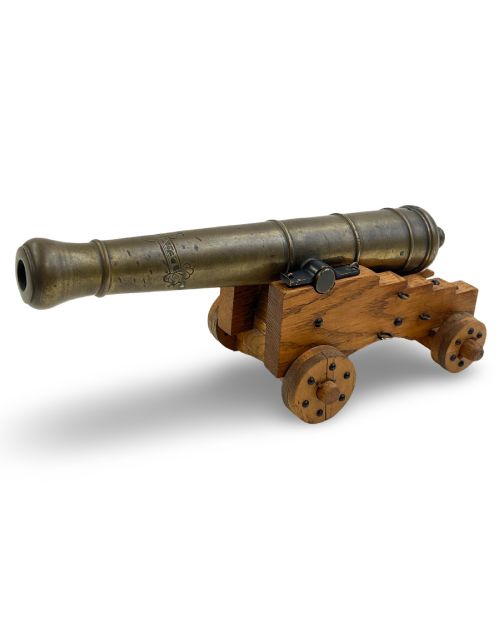
Animal figures dominate this selection, featuring dogs such as dachshunds and terriers alongside horses and mice. Alongside these beasts, buyers find French maritime cannons and heavy domestic pestles formed in durable metal.
The majority of pieces date from the Victorian and Edwardian eras up to the mid-twentieth century, capturing diverse stylistic turns from Gothic revival to early motor car mascots.
What varies in quality
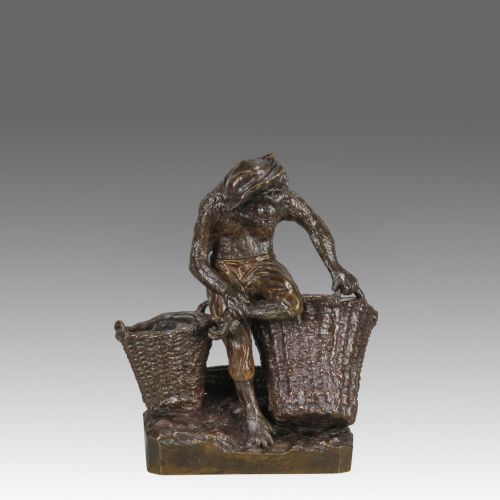
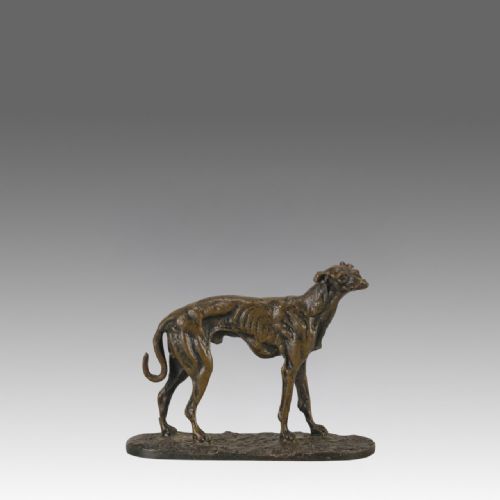
The sharpness of the cast distinguishes superior figures from plain production pieces, with fine examples retaining crisp muscle definition and delicate facial expressions. Master foundries achieved smooth transitions in the metal without obscuring the underlying texture.
Original surface treatments dictate long-term desirability, as intact cold paint and deep patinas survive better when handled with care. The presence of legible maker signatures or registry stamps adds verifiable weight to the piece.
Collectible Bronze Casting Retail Price Guide 2026
Typical asking prices for collectible bronze casting among the pieces listed under this phrase on Sellingantiques today, from the lower quarter to the upper quarter. They describe what is for sale here now, not the wider market.
Listings feature bronze items spanning the eighteenth, nineteenth, and twentieth centuries, alongside brass, iron, and wood.
Christophe Fratin·Dora Heber·P J Mêne·Edith Parsons·Joseph Francois Victor Chemin·Antoine Bofill·AL Barye·Barbedienne
The Collectible Bronze Casting Glossary
- Animalier
- A nineteenth-century artistic movement dedicated to the realistic portrayal of animals, particularly predators and domestic hounds. Sculptors in this tradition focused on kinetic energy and anatomical precision.
- Patina
- The surface sheen and coloration developed through age or chemical treatment on bronze. This chemical layer protects the underlying metal and provides depth to the visual tone.
- Cold painted
- A finishing technique where pigment is applied to unheated bronze, common in Austrian and German animal figures from the turn of the twentieth century. The paint remains susceptible to flaking if exposed to moisture.
- Car mascot
- A sculptural ornament mounted on the radiator caps of motor vehicles during the early twentieth century. These small bronzes combined utility with whimsical portraiture or symbolic figures.
- Geschützt
- A German term denoting a registered design or protected patent, frequently stamped onto metal goods from the Edwardian period onward. It indicates commercial protection of the physical form.
Collectible Bronze Casting: Frequently Asked Questions
What is an animalier bronze?
An animalier bronze is a nineteenth-century sculpture focused entirely on the accurate anatomy and movement of animals. These works capture dogs, cats, and horses in naturalistic postures.
Artists in France and across Europe popularised these small-scale figures for domestic display, creating detailed studies that celebrate natural forms.
How do I care for cold painted bronze?
Cold painted bronze requires dry dusting with a soft brush and protection from direct sunlight. Moisture damages the fragile pigment layers applied to the metal.
Avoid chemical cleaners entirely, as they strip the original paint and expose the bare bronze underneath.
What is a car mascot?
A car mascot is a small bronze sculpture mounted onto the radiator cap of early motor vehicles. They served as personal ornaments for motorists during the early twentieth century.
Many depict notable figures, animals, or symbolic emblems associated with the period.