




Collectible Pistol
A collectible antique pistol offers a direct connection to centuries of military engagement, personal defence, and precision engineering.
Collectible Pistol
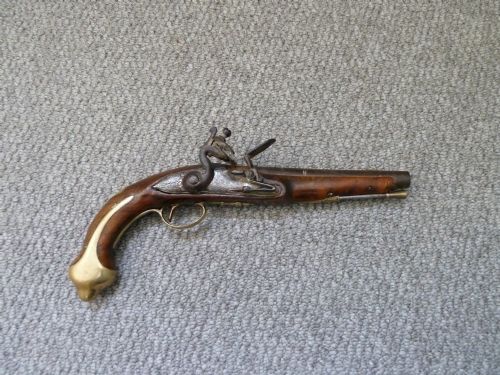
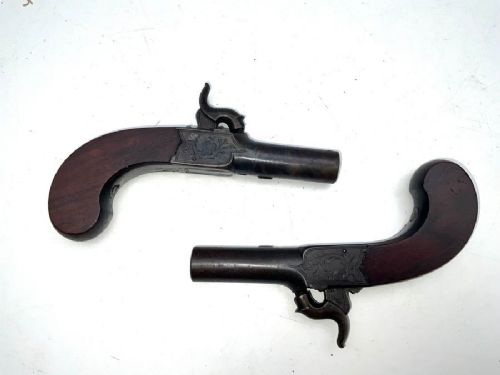
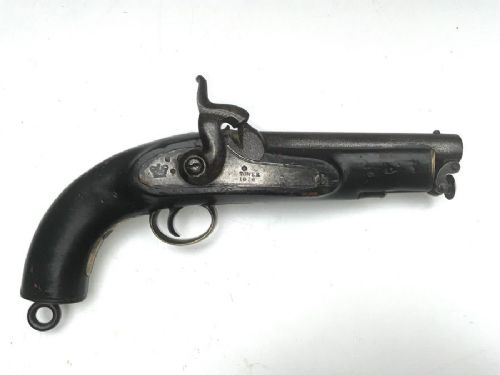
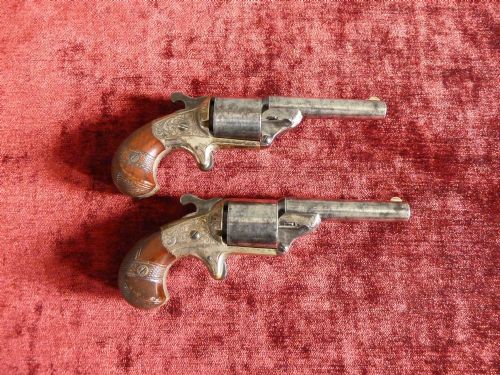
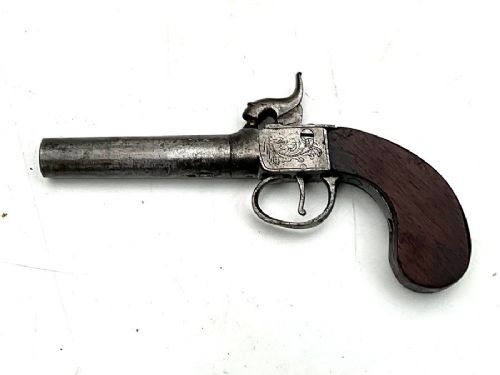
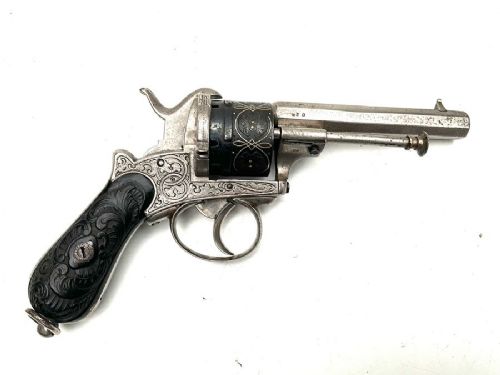
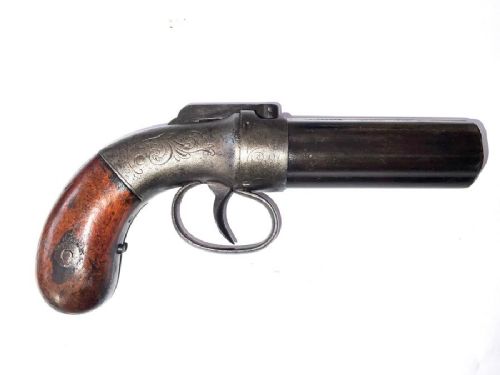
A collectible antique pistol spans centuries of mechanical development, originating from early flintlock ignition systems and progressing through percussion caps to pinfire and rimfire revolvers. These firearms emerge across the eighteenth and nineteenth centuries, taking forms such as pocket pistols, heavy military examples, and multi-shot pepperboxes.
The versions most frequently encountered on this page date from the eighteenth and nineteenth centuries, including Georgian and Victorian periods. Makers from London, provincial England, continental Europe, and America produced these arms for civilian carry, duelling, and military service.
Object types range from single-shot flintlocks to complex revolvers, reflecting the changing demands of officers, travellers, and governments. Stocks formed from walnut, oak, and ebony pair with steel, brass, and iron barrels to create pieces rooted in their respective eras.
How they were made
Makers shaped stocks from dense hardwoods like walnut, oak, and ebony, frequently embellishing them with intricate silver wire inlay, carved detailing, or metal mounts. Iron and steel provided the strength required for barrels and lock mechanisms, while brass added durability and contrast to frames and trigger guards.
Mechanisms evolved from flintlock ignition, where a flint struck a steel frizzen to create sparks, into percussion cap systems that offered greater reliability in damp weather. Revolvers and pepperbox pistols introduced rotating chambers, allowing multiple shots without manual reloading between discharges.
Collectible Pistol Retail Price Guide 2026
Typical asking prices for collectible pistol among the pieces listed under this phrase on Sellingantiques today, from the lower quarter to the upper quarter. They describe what is for sale here now, not the wider market.
Some nineteenth-century pockets conceal spring-loaded foldaway bayonets beneath the barrel, ready for sudden close-quarters disputes.
What varies in quality
Superior examples display crisp maker signatures on the lockplate or barrel, alongside London or regional proof marks that verify their origin. The precision of hand-engraving on metal components and the tightness of wood-to-metal fit distinguish high-grade workshop production from standard military issue.
The sophistication of the mechanism determines functional grade, with complex transitional revolvers and double-barrelled designs with hidden triggers representing advanced gunsmithing. Fine silver wire inlay, cast brass decoration, and the survival of matching serial numbers elevate the standing of an individual piece.
Henry Nock·James Barber·Thomas Henshaw·Timothy Hughes·Auguste Francotte·John Rimes·John Manton·Meyer and Mortimer·Dutton·Allen and Thurber
The Collectible Pistol Glossary
- Flintlock
- An ignition mechanism where a piece of flint held in a cock strikes a steel frizzen to produce sparks that ignite the gunpowder charge. This system dominated military and civilian arms throughout the eighteenth century.
- Percussion cap
- A small metal cup containing fulminate of mercury placed on a nipple, which explodes when struck by the hammer to ignite the main charge. It replaced the flintlock system in the nineteenth century.
- Queen Anne style
- A form of pistol featuring a barrel and breech forged from a single piece of metal that screws off for loading. This design gained popularity during the early eighteenth century.
- Pepperbox
- A multi-barrelled firearm where the entire cluster of barrels revolves around a central axis when cocked. Each chamber aligns with the hammer for successive discharges.
- Frizzen
- The vertical steel plate on a flintlock pistol that the flint strikes to generate sparks while uncovering the priming pan. Its grooved surface catches the spark to ignite the powder.
Collectible Pistol: Frequently Asked Questions
How do I identify a flintlock pistol?
A flintlock pistol relies on an external flint held in a jaw-vice to strike a steel plate, generating sparks into a priming pan.
Examinations of the lockplate often reveal maker signatures and proof marks that indicate the date and place of manufacture.
What is the difference between flintlock and percussion?
Flintlock pistols use exposed flint and steel mechanisms to ignite powder in an open pan, requiring dry conditions to fire reliably.
Percussion pistols utilise a sealed cap placed on a nipple, hit directly by the hammer, which vastly improved weather resistance from the mid-nineteenth century onward.
How were pocket pistols used historically?
Pocket pistols served as discreet personal defence weapons for travellers, merchants, and officers navigating vulnerable routes during the Georgian and Victorian eras.
Their compact size allowed them to fit easily into overcoats, muffs, or specialised holster compartments.
Are antique revolvers safe to handle?
Antique revolvers are historical artefacts that require careful handling and respect for their mechanical age.
Most owners retain them for display and collection rather than modern shooting use.