

Collectible Brass
Collectible antique brass items span scientific instruments, carriage clocks and military gear from the eighteenth century onwards.
Collectible Brass
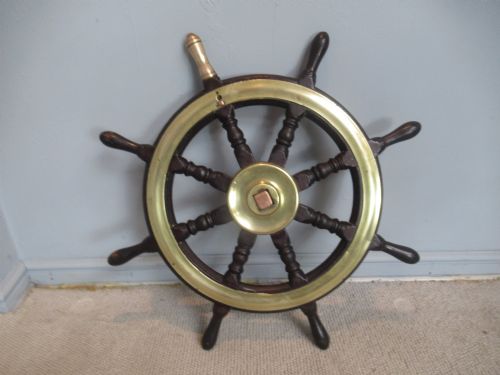
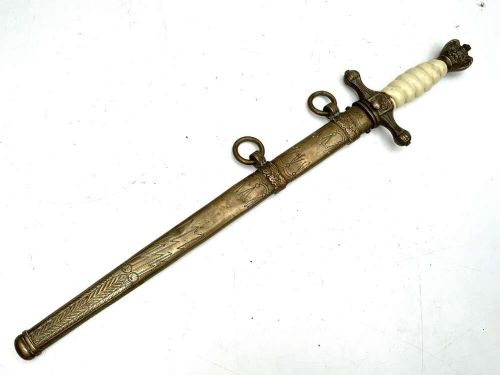
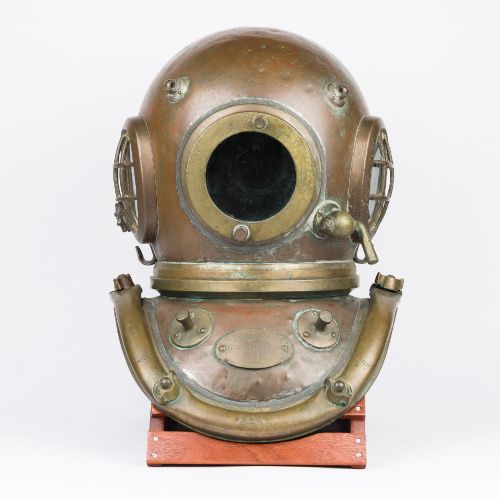
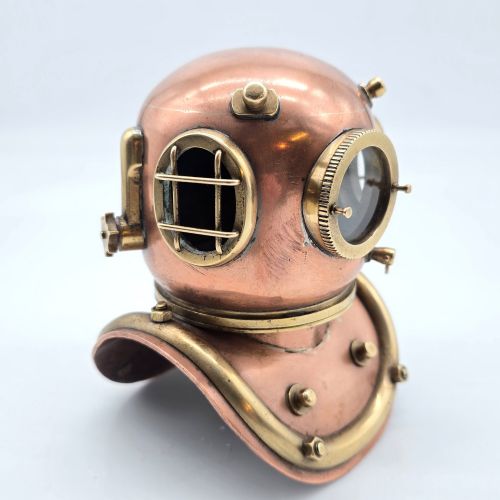
When searching for collectible antique brass, buyers encounter a diverse selection of utilitarian and decorative objects originating from the eighteenth, nineteenth and early twentieth centuries. These listings comprise functional items such as scientific instruments, maritime gear, pocket watches and desk accessories alongside military accoutrements including powder flasks, helmets and pistols.
The objects stem from various contexts, ranging from British railway stations and French domestic interiors to military campaigns and scientific laboratories. The prevalence of items from the Victorian and Edwardian eras reflects the industrial output of those periods, while earlier pieces date back to the Georgian age.
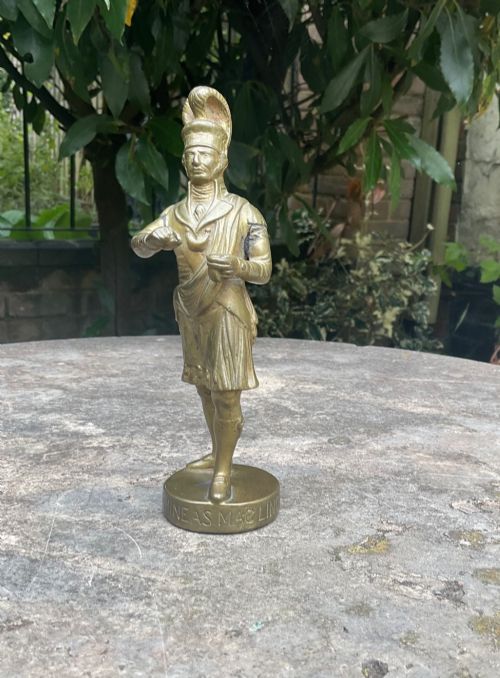
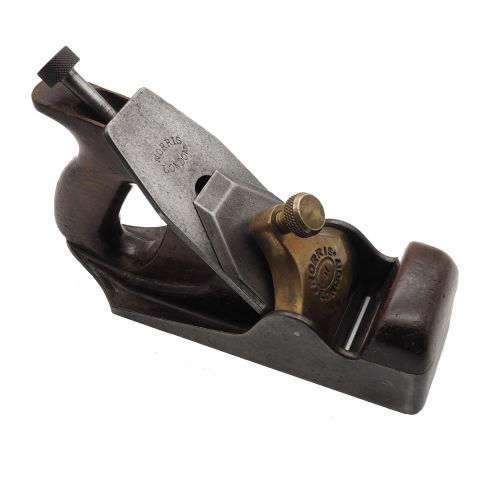
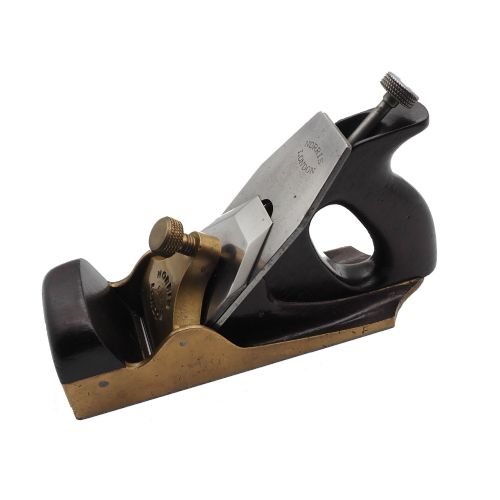
Forms vary from precision tools like station pointers and smoothing planes with metal components to decorative table lighters, samovars and car mascots. Each piece serves as a record of period engineering, domestic life or military service.
How they were made
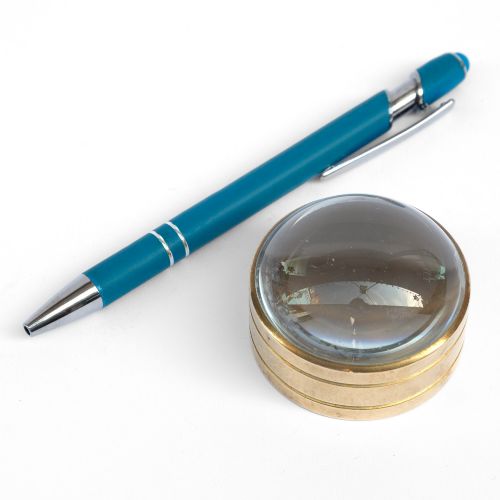
Makers utilised brass alongside complementary materials such as steel, copper, wood, leather and glass, depending on the intended function of the object. Scientific instruments and firearms combine brass with hardened steel components, while domestic items like samovars and magnifying lenses integrate timber or glass elements.
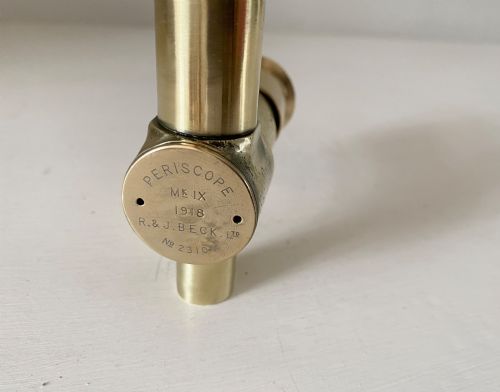
Manufacturing techniques involved casting, forging and precision machining, particularly visible in nineteenth-century scientific apparatus, carriage clocks and military ordnance. Component parts were frequently assembled by hand, resulting in fitted joints and engraved markings that distinguish period production methods from later replication.
Collectible Brass Retail Price Guide 2026
Typical asking prices for collectible brass among the pieces listed under this phrase on Sellingantiques today, from the lower quarter to the upper quarter. They describe what is for sale here now, not the wider market.
Listings feature items from the eighteenth, nineteenth and twentieth centuries, incorporating brass, steel, wood, glass and copper.
What varies in quality
Quality rests upon the precision of manufacture, the clarity of any engraved inscriptions and the integrity of the original components. Scientific instruments and clocks demonstrate superior craftsmanship through the exact tolerances of their moving parts and the legibility of their dials.
Surface finish and material preservation also separate examples, with items retaining their original patination and unmarked maker details sitting at the higher end of the scale. The complexity of the mechanism or design, such as adjustable charges on powder flasks or patent adjustments on tools, further defines the standard of the piece.
Hughes and Son·Norris London·Siebe Gorman·R and J Beck Ltd·Henry Nock
The Collectible Brass Glossary
- Carriage clock
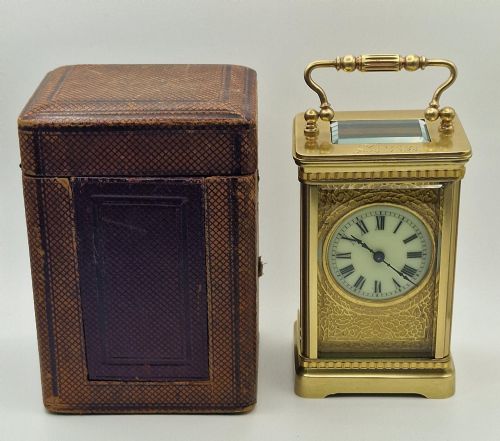
- A small, portable spring-driven timepiece designed for travellers during the nineteenth century, typically housed in a brass frame with glass panels.
- Powder flask
- A container used for holding gunpowder, often fitted with a brass nozzle and measure, frequently encountered alongside antique firearms.
- Station pointer
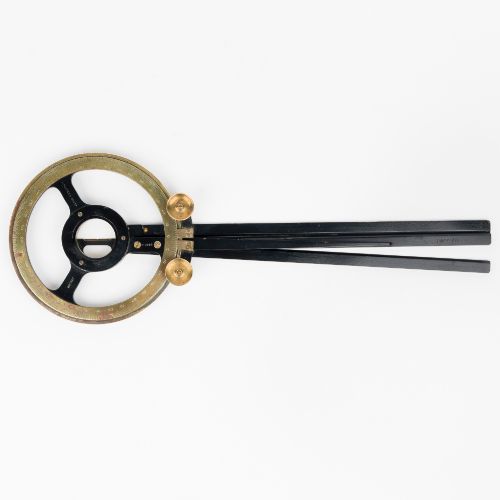
- A navigational instrument utilised by surveyors and mariners to fix positions by measuring angles between visible landmarks.
- Samovar
- A heated metal urn traditionally used in Russia and other regions to boil water for tea, often rendered in brass or copper.
- Patina
- The surface sheen or colour developed naturally on metals such as brass and copper through age and handling.
Collectible Brass: Frequently Asked Questions
What is collectible antique brass?
Collectible antique brass encompasses manufactured items from the eighteenth century to the mid-twentieth century where brass forms the primary structural or decorative material. This category includes scientific tools, timepieces, military equipment and domestic vessels.
Buyers collect these objects for their historical utility, mechanical ingenuity and period aesthetics. The material durability ensures that intricate details and maker marks often survive intact.
How do I date antique brass items?
Dating relies upon stylistic markers, mechanical patents, stamped maker names and the specific form of the object. Comparative analysis with dated military contracts or manufacturer catalogues provides precise timelines.
Inscriptions, crown marks and patent numbers offer direct clues to the year of manufacture. Materials associated with specific eras, such as early nineteenth-century steel paired with brass, help narrow the window.
How were brass scientific instruments used?
Brass scientific instruments were deployed by surveyors, mariners and engineers for navigation, measurement and observation in the field. Devices such as station pointers and sextants allowed professionals to calculate positions and angles with high precision.
The choice of brass provided resistance to corrosion and structural stability under varied weather conditions. These tools formed essential equipment for expeditions and infrastructure projects.
How should I clean antique brass?
Antique brass is generally best preserved with minimal intervention, allowing the natural patination to remain untouched. Aggressive polishing removes the aged surface that collectors value.
Dusting with a soft cloth is usually sufficient for maintenance. If cleaning is necessary, mild soap and water applied sparingly will remove surface dirt without stripping the historical finish.