




Collectable Sword Stick
A collectable sword stick is a discreet self-defence cane concealing a hidden blade, offering a fascinating glimpse into late nineteenth and early twentieth-century personal protection.
Collectable Sword Stick
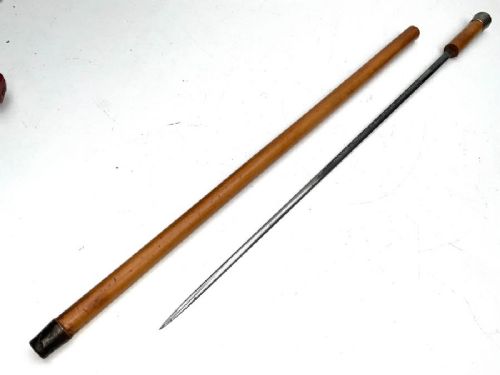
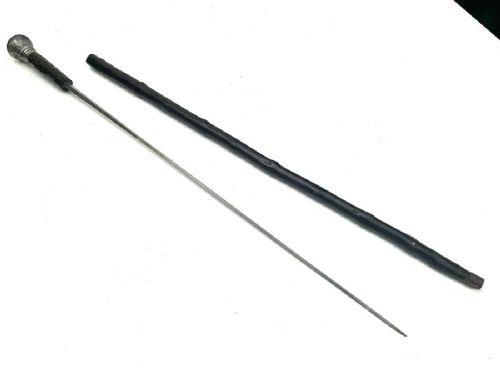
A collectable sword stick takes the outward form of a gentleman's walking cane while housing a concealed steel blade within its shaft. These pieces emerged strongly during the Victorian and Edwardian eras as discreet urban and rural protection for gentlemen.
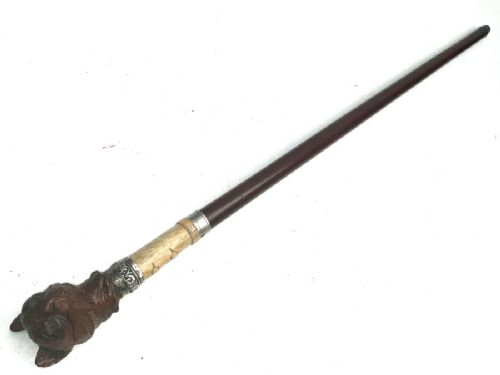
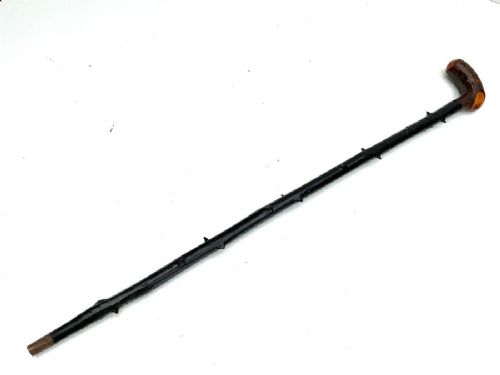
The varieties on this page span from military officers' patterns and Masonic examples to Irish blackthorn and holly wood specimens. You will also encounter refined French pieces featuring porcelain handles and gold plate.
Handles range from novel and horned designs to silver horses' heads and leather-covered knops. Each piece balances the appearance of an ordinary walking stick with the function of a hidden blade.
How they were made
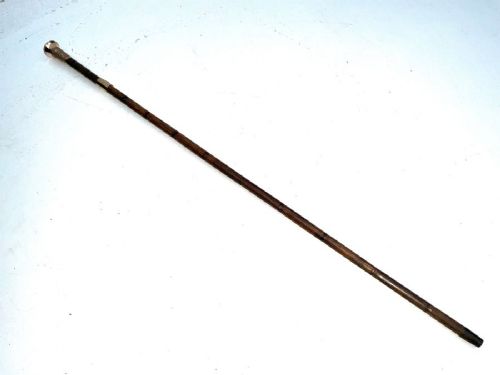
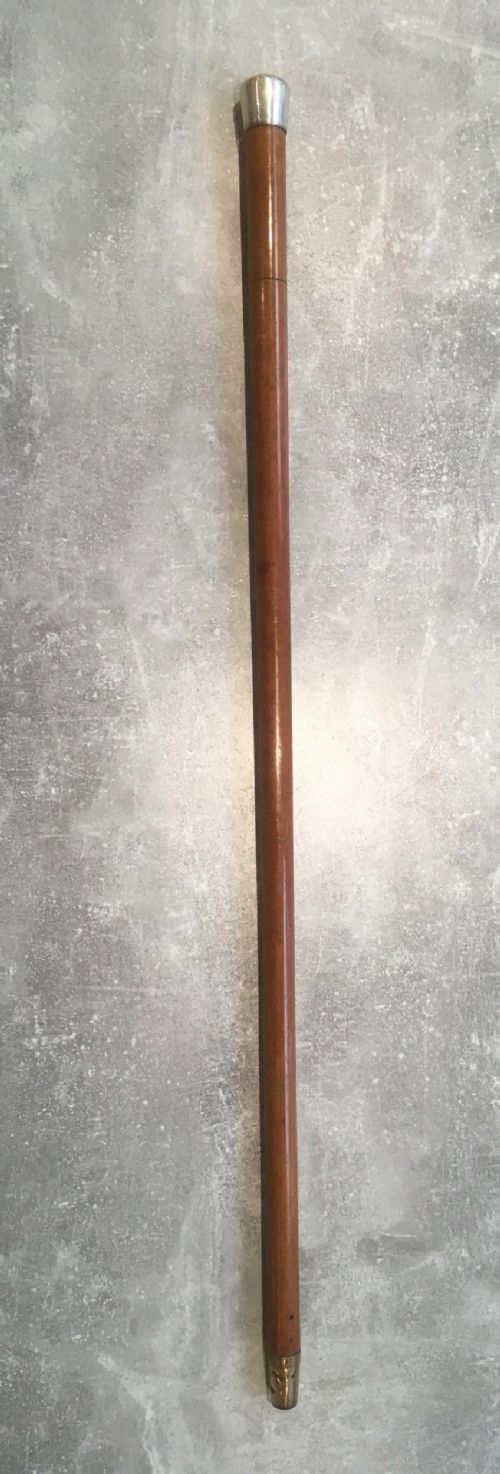
Constructed primarily from traditional woods like malacca, holly, and blackthorn, the shafts were bored out carefully to house the tapered steel blades securely. Metal collars, brass fittings, and silver knops reinforce the junction where the handle meets the shaft.
Handles required specialist craftsmanship, whether carved from bone and horn, moulded in porcelain, or covered in stitched leather. The internal mechanism relied on a precise fit to ensure the blade remained locked safely inside the cane until drawn.
Collectable Sword Stick Retail Price Guide 2026
Typical asking prices for collectable sword stick among the pieces listed under this phrase on Sellingantiques today, from the lower quarter to the upper quarter. They describe what is for sale here now, not the wider market.
Listings for this phrase span the late nineteenth century through to the Edwardian era, featuring wood, steel, brass, silver, porcelain, horn, and bone.
What varies in quality
Quality rests in the refinement of the materials and the precision of the joinery between the handle and the shaft. Superior examples display finely decorated steel blades, hallmarked silver mounts, and hand-painted porcelain or carved horn handles.
A well-made sword stick closes flush with a seamless fit, leaving no obvious indication of the weapon concealed within. Poorer execution shows looseness in the shaft or clumsy adaptation of ordinary walking sticks.
The Collectable Sword Stick Glossary
- Sword stick
- A walking cane containing a concealed blade. The shaft acts as the scabbard.
- Malacca
- A speckled rattan cane imported from Southeast Asia. It is prized for strength and flexibility in walking sticks.
- Knop
- A rounded knob or ornamental head at the top of a stick. It provides a comfortable grip for the hand.
- Sevres
- A type of fine French porcelain often incorporated into luxury cane handles. It frequently appears alongside gilt metal mounts.
Collectable Sword Stick: Frequently Asked Questions
What is a sword stick?
A sword stick is a walking cane designed to conceal a sharp steel blade inside its wooden or leather-covered shaft. They were carried by gentlemen during the Victorian and Edwardian periods for personal defence.
The outward appearance resembles an ordinary walking stick to avoid drawing attention. A hidden release mechanism or screw fit allows the user to draw the blade quickly.
How do you date a sword stick?
Dating relies on the style of the handle, the materials used, and any hallmarks on the silver mounts. Victorian and Edwardian examples often feature distinct regional characteristics, such as French porcelain or Irish blackthorn.
Examining the construction of the blade and the locking mechanism also helps establish the era of manufacture. Many pieces date from the late nineteenth to the early twentieth century.
How should I display a sword stick?
Displaying a sword stick safely involves using wall-mounted racks or dedicated cane stands that secure the shaft horizontally or vertically. Keeping the piece out of direct sunlight preserves the wood, leather, and painted porcelain handles.
Many collectors prefer displays that allow the stick to be easily removed for inspection. Ensure the locking mechanism remains secure so the blade stays safely housed when mounted.