


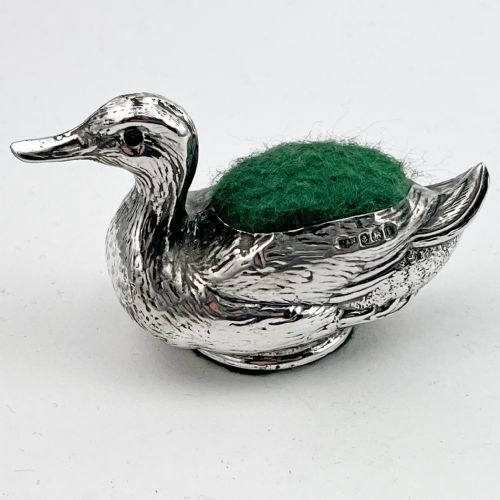


Collectable Silver Figurine
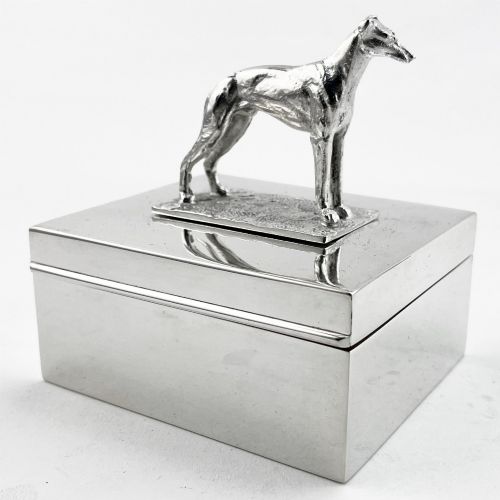
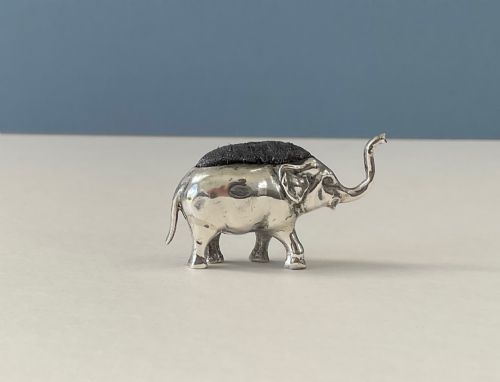
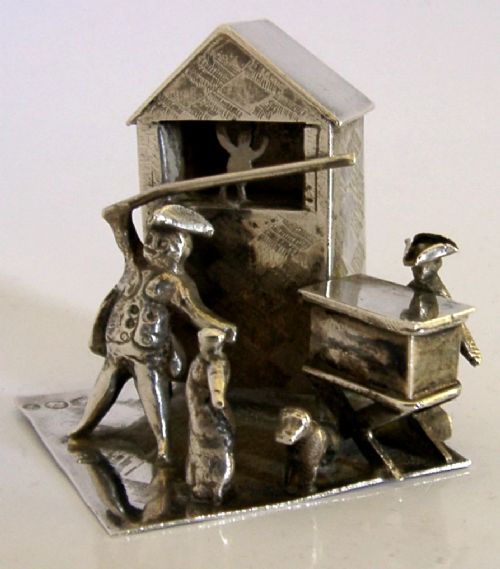
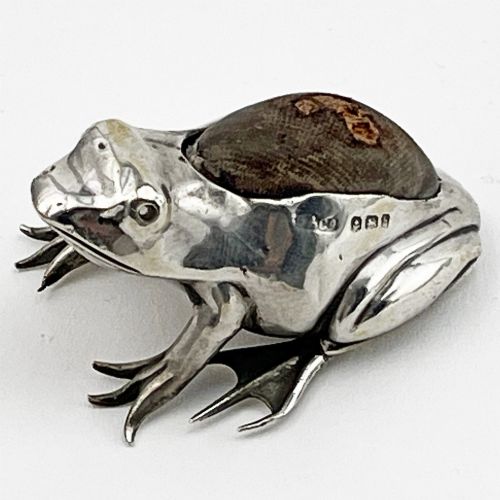
These collectable silver figurine pieces range from Edwardian novelty pin cushions to Victorian animal forms, bringing miniature craftsmanship and witty character to any desk.
Collectable Silver Figurine
Beyond standard figures, the selection encompasses specialised items like apostle figures, spoon warmers, and condiment sets made to amuse and serve. These miniature objects combine decorative appeal with functional elements such as velvet or fabric pads tucked into the bases of pin cushions.
How They Were Made
The objects are primarily fashioned from sterling silver, 833 solid silver, and silver plate, often utilising traditional casting and chasing techniques to define intricate details. Many pieces incorporate secondary materials like wood, felt, fabric, and velvet to provide weight or form the functional interior of a pin cushion.
Makers shaped sheet and cast silver into recognizable animal and human forms, employing hand-chasing to render feathers, fur, and facial expressions with striking precision. Specialised variations like silvered bronze sculptures introduce mixed-metal techniques into the broader range of miniature works.
Collectable Silver Figurine Retail Price Guide 2026
Typical asking prices for collectable silver figurine among the pieces listed under this phrase on Sellingantiques today, from the lower quarter to the upper quarter. They describe what is for sale here now, not the wider market.
What Varies in Quality
The integration of secondary materials, such as the neatness of fitted velvet or fabric pads within pin cushions, further separates standard production from finer examples. Preserved surface detail and clear hallmarks pointing to specific periods or makers elevate the standing of an individual piece.
Claire Colinet
The Collectable Silver Figurine Glossary
- Pin Cushion
- A small decorative object fitted with velvet or fabric designed to hold sewing pins. These functional novelties often took whimsical animal shapes during the Edwardian period.
- Novelty
- An object made in an unusual or amusing shape that serves a secondary practical purpose. Victorian and Edwardian silversmiths frequently used this approach for desk accessories.
- Silver Plate
- A base metal coated with a thin layer of silver through electroplating or older techniques. This method allowed makers to produce larger items like spoon warmers affordably.
- Solid Silver
- Metal that consists of silver all the way through rather than being plated over a base. Standard sterling and 833 grades fall into this durable category.
- Miniature
- A small-scale representation of a full-sized object, animal, or human figure. These pieces were collected and displayed in cabinets for their concentrated detail.
Collectable Silver Figurine: Frequently Asked Questions
What were silver pin cushions used for?
These small decorative objects held sewing pins on a dressing table or desk, combining practical utility with charming sculptural forms. Wealthy households often kept them in sewing rooms or boudoirs.
The integration of fabric and velvet pads provided a soft surface to secure needles while displaying the silversmith's skill in animal or novelty shapes.
How do I identify Edwardian pieces?
Edwardian items typically display hallmarks corresponding to the reign of King Edward VII, spanning the early years of the twentieth century. The styling often favours whimsical animal novelties with naturalistic detailing.
Comparing the specific hallmarks and date letters stamped on the silver helps confirm the exact decade of manufacture.
What is 833 solid silver?
This grade indicates an alloy containing 83.3 percent pure silver, a standard commonly used in continental European manufacturing rather than British sterling.
Pieces bearing this mark often originate from countries such as Holland, known for intricate miniature novelty items.
Are these figures solid silver?
Many listings are made from sterling silver or 833 solid silver, though some larger novelty items like spoon warmers are silver plated over a base metal.
Checking the hallmarks and material descriptions on individual pieces reveals whether the object is solid throughout or plated.