



Collectable Metal Tin
These collectable metal tin pieces range from Victorian legal tins and kitchenalia to Edwardian novelty biscuit tins and early toy vehicles.
Collectable Metal Tin
When you search for collectable metal tin objects, you encounter a diverse assortment of functional containers, legal accessories, and vintage toys. The selection spans the nineteenth century through to the 1930s, reflecting various domestic and professional uses of metal.
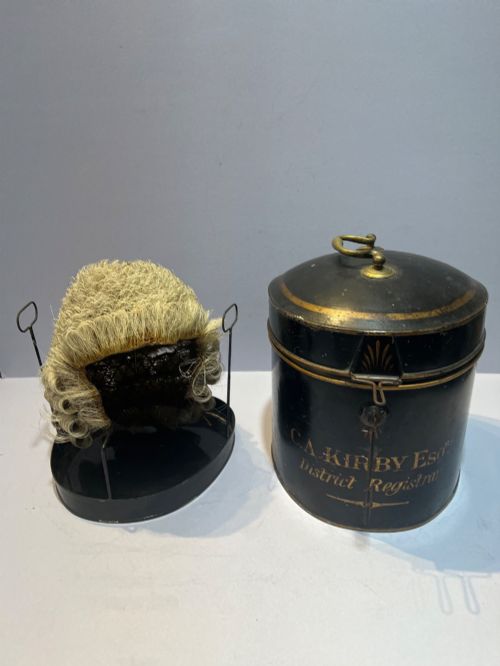
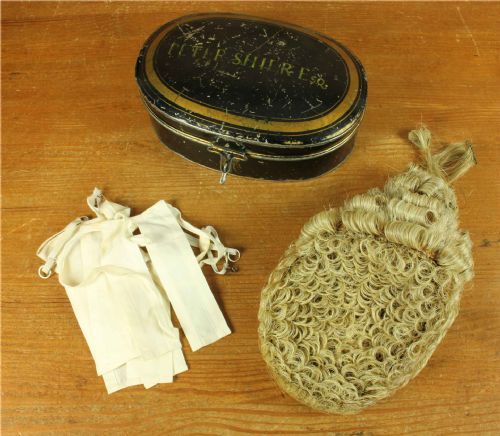
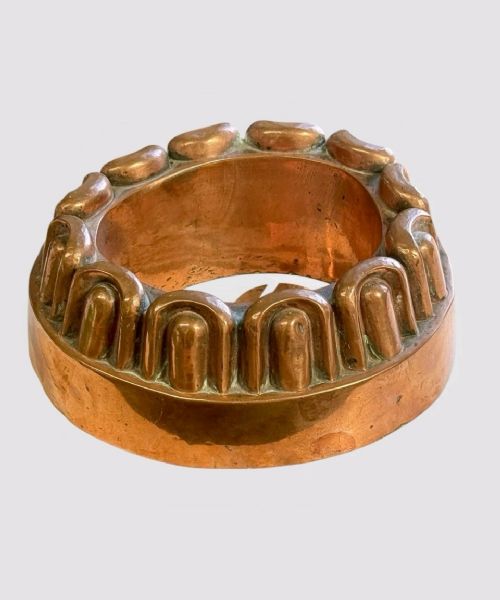
The most prominent examples on this page are legal wig tins, often containing barristers' wigs with makers such as Ravenscroft Law or Eade & Son. Alongside these, novelty biscuit tins shaped like books or carved boxes appear alongside copper jelly moulds and painted tobacco tins.
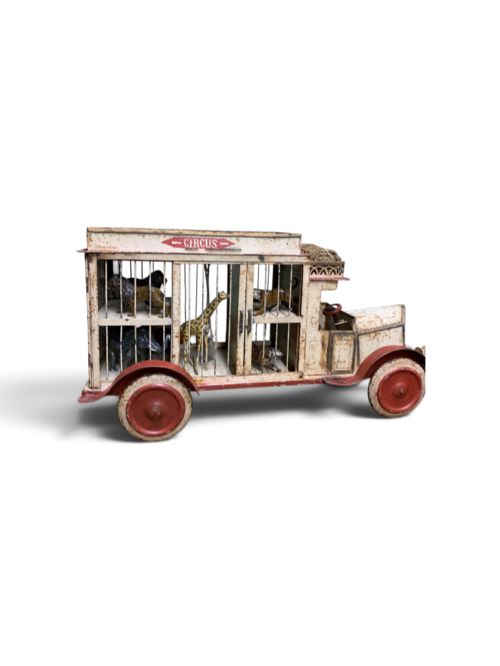
Toy vehicles also form part of this category, including novelty biscuit tin tractors, circus lorries, and fire chief cars. These pieces showcase how metal fabrication served both utilitarian storage and playful entertainment across different eras.
How they were made
Makers utilised tinplate, copper, and brass to construct these durable vessels and objects. Tinplate provided a sturdy yet malleable base for lithographed or painted decoration on biscuit tins and tobacco containers.
Collectable Metal Tin Retail Price Guide 2026
Typical asking prices for collectable metal tin among the pieces listed under this phrase on Sellingantiques today, from the lower quarter to the upper quarter. They describe what is for sale here now, not the wider market.
Materials documented across the pieces include tinplate, copper, brass, paint, and horsehair.
What varies in quality
The degree of preservation in the original paint or lithography distinguishes standard examples from superior survivals. Crisp detail on novelty biscuit tins and well-maintained interior linings on copper kitchenalia indicate careful ownership.
The presence of maker markings, such as specific legal outfitters on wig tins or known confectioners on biscuit packaging, elevates the historical interest of the piece. Craftsmanship in the shaping of novelty forms, from carved wood simulations to intricate toy vehicles, also defines the upper range.
Eade & Son·Ravenscroft Law·Peter Shier·Huntley & Palmers·William Crawfords & Son Ltd·Hoge New York·Kibri
The Collectable Metal Tin Glossary
- Tinplate
- Sheet iron or steel coated with a thin layer of tin to prevent rusting. This material formed the structural basis for most decorative biscuit tins and tobacco containers.
- Lithography
- A planographic printing process used to apply colourful designs directly onto metal sheets. It enabled mass production of detailed imagery on early twentieth-century packaging.
- Kitchenalia
- Utilitarian objects and utensils used in food preparation and domestic kitchens. Copper jelly moulds lined with tin represent typical examples of this category.
- Legal collectables
- Artefacts associated with the legal profession, including wig tins and barristers' wigs. These items often bear the names of established makers and original owners.
Collectable Metal Tin: Frequently Asked Questions
What are legal wig tins?
Legal wig tins are metal containers specifically manufactured to store barristers' and judges' wigs safely. They frequently bear the names of legal outfitters and original owners.
These containers date predominantly from the nineteenth century and often retain their original horsehair wigs inside.
How do I identify novelty biscuit tins?
Novelty biscuit tins are shaped to resemble other objects, such as books, carved wooden boxes, or tractors. Major confectioners commissioned these containers to attract buyers.
Examining the lithography and the manufacturing style helps determine whether a tin originates from the Edwardian era or the 1920s.
Are copper jelly moulds safe to use?
Copper jelly moulds from the Victorian period were typically tin lined to prevent food poisoning from copper toxicity. Collectors generally display these items rather than utilise them for modern cooking.
The integrity of the interior tin lining determines whether a mould remains in original usable condition.
How should I clean painted tin items?
Painted tin surfaces require gentle dusting with a dry cloth to preserve the fragile finish and any remaining pigment. Water and chemical cleaners can damage lithography and accelerate corrosion on exposed metal.
Storing these objects in stable humidity environments prevents further paint flaking.