



Collectable Hand Tools
These collectable hand tools are practical working implements and domestic artefacts shaped by Victorian and Edwardian makers to last.
Collectable Hand Tools
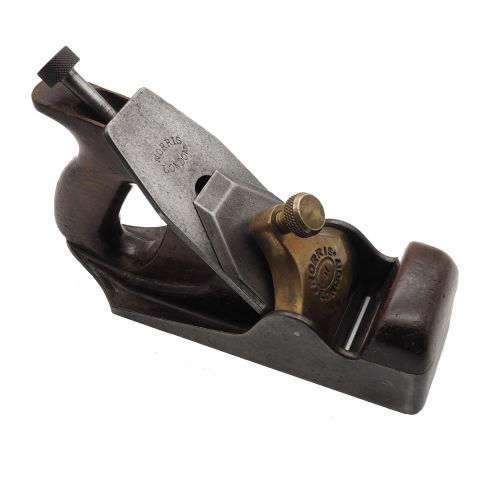
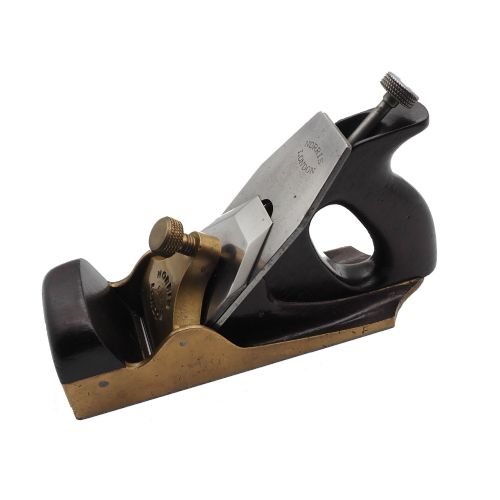
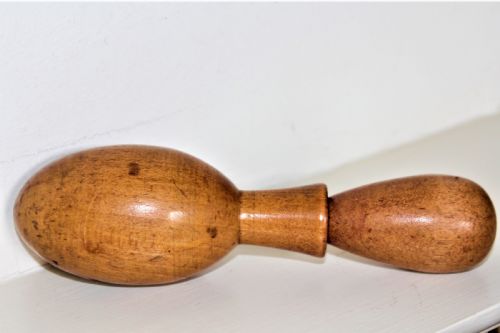
The most prominent items on this page are metal and wooden smoothing planes bearing maker names, alongside turned treen items like knitting sheaths, sock darners, and carpenters' mallets. These pieces reflect both industrial workshop output and folk art traditions across various British domestic settings.
Wooden items utilise timber such as lignum vitae, rosewood, walnut, and ebony, whilst metal planes combine brass, gunmetal, cast iron, and cast steel. Styles range from utilitarian Victorian country designs to elaborate Victorian novelty pieces and early twentieth-century craftsman work.
How they were made
Makers constructed metal planes using cast iron, gunmetal, and brass, often combining these with hardwood handles and infills fixed with precision screws and wedges. Smoothing planes required careful casting and annealing of iron or gunmetal to ensure stability and precise adjustment during use.
Treen items and carpentry mallets relied on lathe turning and hand shaping of dense woods like lignum vitae, rosewood, and walnut to withstand heavy impacts. Sewing tools and lace folders incorporated intricate inlay work, such as Tunbridge ware, alongside carefully carved treen structures.
Domestic and craft pieces show evidence of hand finishing, with sailors' fids and knitting sheaths carved from single pieces of timber to suit specific manual tasks. Metal components were often bronzed or polished, whilst wooden surfaces received natural oil or wax finishes.
Collectable Hand Tools Retail Price Guide 2026
Typical asking prices for collectable hand tools among the pieces listed under this phrase on Sellingantiques today, from the lower quarter to the upper quarter. They describe what is for sale here now, not the wider market.
Object forms span woodworking planes, sewing tools, sock darners, knitting sheaths, corkscrews, and treen boxes.
What varies in quality
Quality in these implements depends upon the precision of the metal casting and the reputation of the maker, with London workshops achieving high standards in plane manufacture. The complexity of adjustment mechanisms and the tightness of wooden infills distinguish standard workshop tools from specialised patented designs.
In treen and domestic items, the choice of dense timber such as lignum vitae or ebony and the fineness of turned details dictate the standard of the piece. The presence of decorative elements, including Tunbridge inlay or specialised brass hardware, elevates domestic tools beyond basic utilitarian examples.
Norris London·Faudels of London
The Collectable Hand Tools Glossary
- Treen
- Small handmade wooden objects for domestic use. These items were typically turned on a lathe or carved by hand from dense hardwoods.
- Smoothing plane
- A woodworking tool used to plane wood flat and smooth. Examples often feature adjustable iron or gunmetal bodies with hardwood handles.
- Knitting sheath
- A device tucked into a belt or apron to hold a knitting needle steady. They are frequently carved in folk art styles from regional timbers.
- Sailors fid
- A conical wooden tool used in ropework for splicing. They are commonly turned from heavy hardwoods like rosewood or lignum vitae.
- Tunbridge inlay
- Small mosaic wood blocks arranged to form geometric or pictorial patterns. This decorative technique is found on nineteenth-century boxes and sewing tools.
Collectable Hand Tools: Frequently Asked Questions
How were wooden planes used?
Woodworking planes were utilised by tradesmen and craftsmen to flatten, smooth, and shape timber surfaces in workshops. Adjustable metal planes offered fine control over the cutting depth.
Carpenters relied on these robust tools daily, often pairing them with wooden mallets to adjust blades and secure wedges during heavy joinery work.
How do I care for wooden tools?
Keep wooden planes, mallets, and treen objects away from direct heat sources and excessive moisture to prevent timber cracking or warping. Applying occasional natural wax preserves the grain.
Metal components on planes benefit from a light coat of oil to deter surface oxidation while resting in storage or display cabinets.
How do I date these items?
Dating relies on maker marks, patented mechanism designs, material choices, and stylistic traits associated with Victorian, Edwardian, or folk art traditions. Patent dates stamped on metal bodies provide a clear point of origin.
Carpentry tools and treen often show wear patterns and construction methods characteristic of nineteenth-century workshop practices or early twentieth-century manufacturing.