

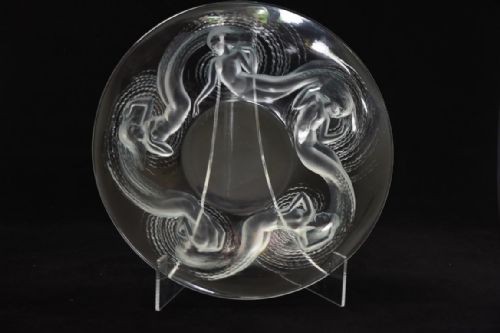


Collectable Glass Bowl
A collectable glass bowl brings twentieth-century design directly to the table, offering tactile surfaces and striking forms that anchor a room.
Collectable Glass Bowl
When you search for a collectable glass bowl, you encounter decorative vessels and open dishes dating from the nineteen-twenties and nineteen-thirties. These pieces primarily reflect the Art Deco aesthetic of the period, produced in forms such as open bowls, coupes, and decorative plates.
How they were made
Makers utilised specialised techniques including pate de verre and hand-blown methods to achieve depth and texture. Opalescent and frosted glass treatments catch the light, turning simple vessels into luminous sculptural objects.
Enamel details are occasionally applied to enhance surface patterns and highlight moulded motifs. These varied manufacturing methods determine the weight, clarity, and visual opacity of each individual piece.
Collectable Glass Bowl Retail Price Guide 2026
Typical asking prices for collectable glass bowl among the pieces listed under this phrase on Sellingantiques today, from the lower quarter to the upper quarter. They describe what is for sale here now, not the wider market.
What varies in quality
The distinction between standard production and exceptional work lies in the sharpness of the moulded detail and the complexity of the glass body. Pieces featuring intricate pate de verre or complex opalescent effects demand higher skill from the maker.
The reputation of the designer and the specific workshop execution dictate the standing of a piece within the field. Signed works and items attributed to prominent glass artists command greater attention from serious collectors.
René Lalique·Monart·Henry Bergé·Amalric Walter
The Collectable Glass Bowl Glossary
- Opalescent Glass
- Glass that has a milky, semi-translucent appearance with bluish highlights. This effect shifts according to the angle of the ambient light.
- Pate de Verre
- A method of glass casting where powdered glass is packed into a mould and fused in a kiln. The resulting object has a dense, granular texture.
- Art Deco
- A design style popular in the nineteen-twenties and thirties characterised by stylised motifs and geometric symmetry. It heavily influences the form of these decorative bowls.
- Frosted Glass
- Glass treated to create a textured, matte surface rather than a transparent finish. This technique diffuses light softly across the vessel.
Collectable Glass Bowl: Frequently Asked Questions
How do I clean a vintage glass bowl?
Wash the vessel gently by hand using lukewarm water and mild soap. Avoid harsh scrubbers that can scratch the delicate surface.
Dry the piece immediately with a soft, lint-free cloth to prevent water spots from forming on opalescent or frosted areas.
Are these bowls intended for daily use?
These decorative vessels are primarily designed for display rather than heavy domestic service. Placing heavy items inside them risks surface scratching.
Keep them on stable surfaces away from high-traffic edges where accidental knocks might occur.
How can I tell a nineteen-twenties piece apart from a thirties piece?
Dating relies heavily on stylistic markers associated with specific designers and documented production years. Pieces from the twenties often feature pronounced opalescence and floral or aquatic motifs.
Consulting maker signatures and reference catalogues helps establish the precise manufacturing decade for individual bowls.