



Collectable French Clock
A collectable french clock brings substantial brass and glass engineering into a room, offering the steady tick of nineteenth and twentieth century timepieces.
Collectable French Clock
When you search for a collectable french clock, you encounter carriage clocks and mantel clocks originating from the nineteenth and twentieth centuries. These pieces span Victorian, Edwardian, and Art Deco periods, reflecting changing tastes in domestic timekeeping.
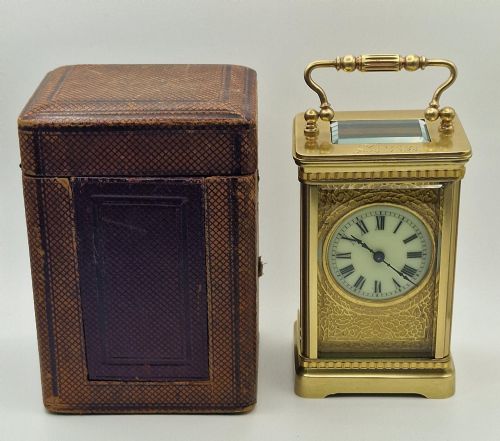
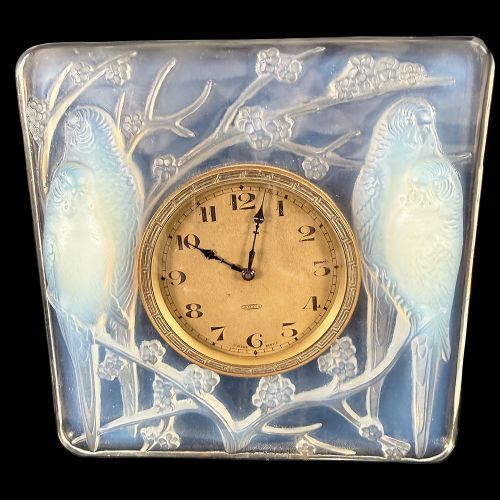
The most common examples on this page are carriage clocks housed in brass cases with glass panels, alongside moulded glass designs from the nineteen-twenties and nineteen-thirties. Dial configurations vary from simple Roman numerals to elaborate gilded faces equipped with strike and alarm complications.
Originating predominantly from French workshops and retailers, these items combine portable mechanical movements with decorative housings. Buyers encounter both robust travel clocks and sculptural glass pieces intended for stationary display on a mantelpiece.
How they were made
Maker construction relies heavily on cast brass frames fitted with bevelled glass panels to reveal the internal gear train. Gilt finishes and enamel dials provide the primary decorative surfaces for traditional brass timepieces.
Glass pieces utilise pressing and moulding techniques, particularly seen in opalescent and frosted glass creations featuring animal motifs. Leather cases often accompany portable brass models to protect the housing during travel.
Collectable French Clock Retail Price Guide 2026
Typical asking prices for collectable french clock among the pieces listed under this phrase on Sellingantiques today, from the lower quarter to the upper quarter. They describe what is for sale here now, not the wider market.
Love birds and fighting cocks share watch duty inside these nineteen-twenties glass clock faces.
What varies in quality
Artistic execution separates standard production from works attributed to specific designers like René Lalique, where sculptural glass quality dictates the piece's standing. The preservation of original components, such as leather travel boxes and signed dials, influences the overall character of the item.
R Lalique·Mappin and Webb
The Collectable French Clock Glossary
- Repeater
- A mechanical complication that strikes the hours and quarters upon demand when a lever or button is pressed. This feature required advanced gear work inside the clock case.
- Opalescent glass
- Glass that displays a milky, iridescent quality shifting in tone according to the light. It is characteristic of decorative Art Deco clock production.
- Gilt brass
- Metal treated with a thin layer of gold or gold-coloured wash to provide a bright, reflective surface. It prevents tarnishing while mimicking solid gold.
Collectable French Clock: Frequently Asked Questions
How do I wind a carriage clock?
Most brass carriage clocks utilise a small square-drive key inserted into winding arbors located on the backplate. Turn the key gently until resistance indicates the mainspring is fully tensioned.
Take care not to over-wind the mechanism, as this can damage the internal springs. Ensure you support the clock safely while operating the winding key.
What is a striking carriage clock?
A striking clock sounds the hours automatically using an internal bell or gong regulated by a rack or count wheel mechanism. This audible feature echoes the traditional role of keeping time in a domestic interior.
Some models include repeater functions that allow you to check the last hour struck by pressing a button on the top of the case.
How should I clean a brass clock case?
Dust brass and glass housings regularly with a soft, dry microfibre cloth to prevent the accumulation of grime. Avoid chemical metal polishes, which can strip away original gilding and damage delicate enamel dial surfaces.
Professional restoration is recommended if the mechanical movement requires internal cleaning or lubrication.
Are Art Deco glass clocks fragile?
Moulded glass clocks from the nineteen-twenties and nineteen-thirties require careful placement away from high-traffic areas to prevent accidental impact. The heavy glass bodies house integrated clock movements that demand stable, level surfaces.
Inspect the glass base and edges periodically to ensure the material remains free from stress fractures.