



Collectable Ceramic Plate
These collectable ceramic plate examples bring hand-painted artistry and royal provenance directly to your cabinet, offering a tangible link to centuries of ceramic heritage.
Collectable Ceramic Plate
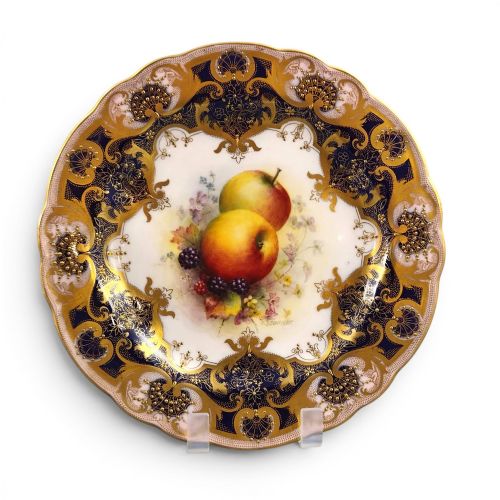
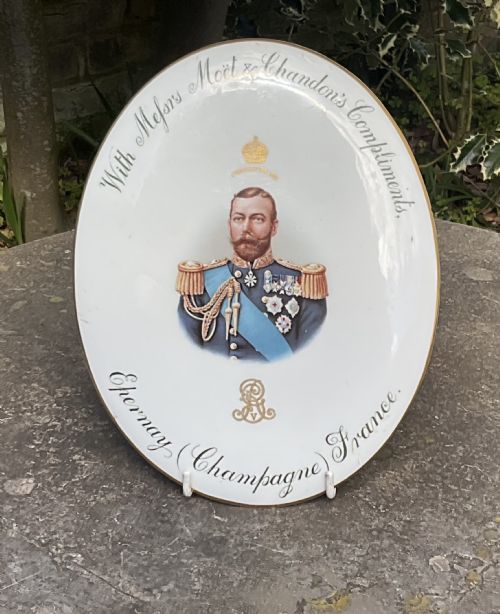
When you search for a collectable ceramic plate, you are looking at decorative porcelain and earthenware pieces that span from the Georgian era through to the mid-twentieth century. The selection ranges from hand-painted cabinet plates featuring fruit and floral motifs to commemorative plaques and royal commissions.
The version you are most likely to meet on this page is a British porcelain cabinet plate from the nineteenth or early twentieth centuries, often adorned with gilding or specific botanical designs. These pieces were primarily made for display in formal reception rooms rather than for daily dining use.
Origins represented in these listings include traditional English factories alongside continental works such as Meissen. Forms vary from standard dessert plates to specialised decorative plaques and matching pairs designed for prominent display.
How they were made
The pieces listed here rely on hard-paste porcelain and standard ceramic bodies, shaped and fired before receiving detailed hand-painted overglaze decoration. Artisans applied polychrome pigments carefully to capture botanical, floral, and fruit studies.
Many examples incorporate gold leaf, gilding, or gilt highlights to frame the central painted scenes and edge the rims. This metallic application required precise firing techniques to bond the gold securely to the porcelain surface.
Collectable Ceramic Plate Retail Price Guide 2026
Typical asking prices for collectable ceramic plate among the pieces listed under this phrase on Sellingantiques today, from the lower quarter to the upper quarter. They describe what is for sale here now, not the wider market.
Materials across the selection incorporate intricate gilding, gold leaf, and enamel alongside traditional ceramic bodies and mahogany display stands.
What varies in quality
The distinction between standard production wares and top-tier cabinet items lies in the mastery of the hand-painted artistry. Named artists working for established factories produced detailed, lifelike fruit and floral studies that elevate a piece far beyond simple transfer-printed decoration.
Provenance and original commissioning also separate the tiers of quality, with royal associations and specific pattern documentation adding significant historical context. The preservation of original gilding and the crispness of the porcelain moulding complete the hierarchy.
Royal Worcester·Cauldon Ltd·Minton·Meissen·Royal Crown Derby·Moorcroft
The Collectable Ceramic Plate Glossary
- Cabinet plate
- A high-quality decorative plate intended for display in a glass-fronted cabinet rather than for table service. These items usually feature intricate hand-painted artwork and lavish gilding.
- Hard-paste porcelain
- A durable, vitrified ceramic composed of kaolin and petuntse, fired at very high temperatures. It forms the robust foundation for many fine European and English plates.
- Gilding
- The application of gold leaf or powdered gold to the surface of ceramics. This technique highlights rims and decorative borders.
- Kakiemon
- A style of Japanese enamel decoration featuring asymmetrical designs and vibrant palettes, later copied by European factories like Meissen. It employs distinct orange, yellow, green, and blue pigments.
- Overglaze
- A method where enamel colours and gold are applied on top of the already fired glaze, then subjected to a lower temperature second firing. This allows for a wider palette of brilliant surface colours.
Collectable Ceramic Plate: Frequently Asked Questions
What is a cabinet plate?
A cabinet plate is a decorative ceramic piece made primarily for visual display rather than functional dining use. They often feature detailed hand-painted scenes, botanical studies, or rich gilding.
Because they were kept in display cabinets or mounted on walls, these plates frequently survive in better condition than standard tableware. They represent the highest artistic output of the factories that produced them.
How do I identify the period of a plate?
Identifying the period involves examining the backstamps, factory marks, and stylistic indicators such as border designs and colour palettes. Georgian and Victorian pieces often show distinct hand-painted numbering and specific factory ciphers.
Comparing the painting style and material composition with known factory histories helps narrow down the decade of production. Documentation on specific artists also aids in dating individual works.
Were these plates used for dining?
Most pieces listed as cabinet or decorative plates were designed strictly for display in formal reception rooms. Dessert plates from Regency or Victorian services, however, occasionally saw actual use during formal courses.
Plates with delicate gold leaf, heavy gilding, or specialised commemorative printing were valued as works of art. Their owners showcased them on sideboards or dedicated wall brackets.
How should I display a plate?
Plates can be displayed using dedicated weighted plate stands on flat surfaces or securely mounted on walls using coated wire hangers. Ensuring the support is stable protects the ceramic body and any applied gilding.
Keeping display locations away from direct sunlight prevents fading of the hand-painted enamels over time. Proper spacing also avoids accidental knocks between adjacent pieces.