




Collectable Plate
These pieces of collectable antique plate bring hand-painted porcelain and silver into daily display, offering a tangible link to Georgian, Victorian, and later dining tables.
Collectable Plate
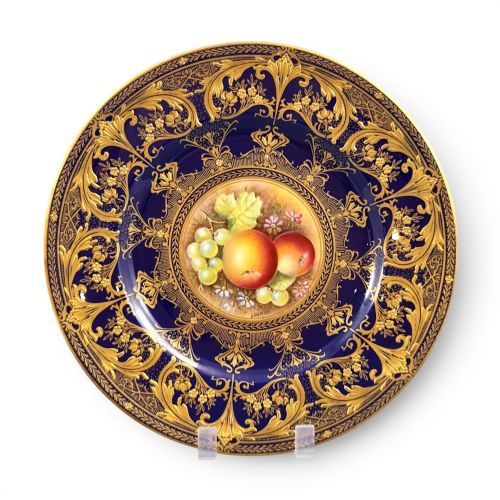
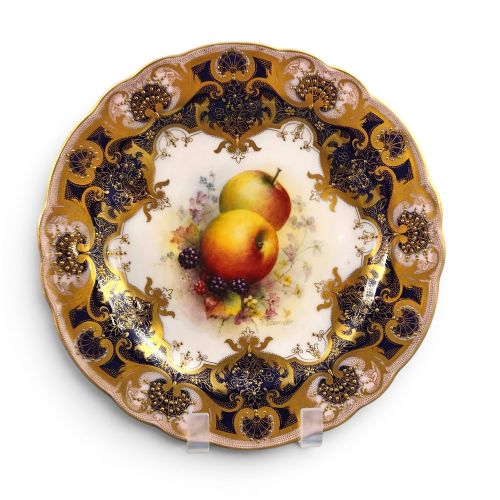
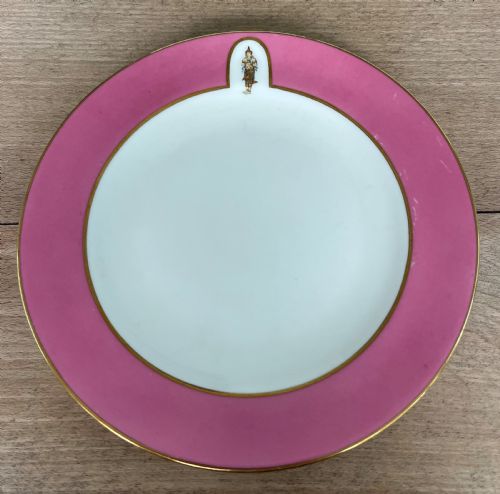
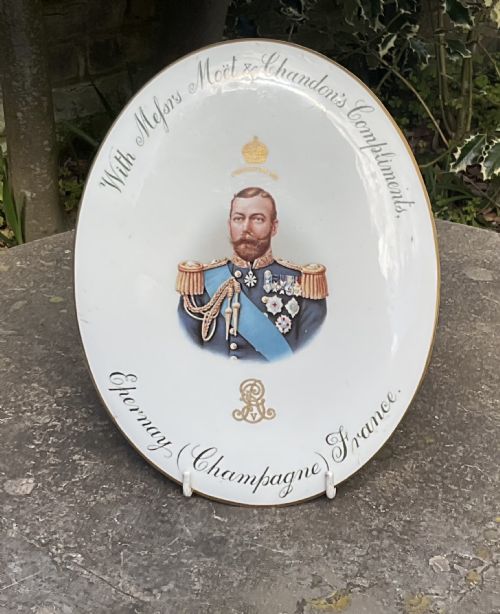
A search for collectable antique plate reveals a diverse assortment of decorative ceramics and metalware designed primarily for display or formal dining. Cabinet plates and dessert dishes dominate the selection, often featuring hand-painted fruit, floral patterns, or armorial designs.
The objects span multiple centuries, originating from Georgian workshops through to mid-twentieth-century makers. Porcelain and bone china items sit alongside silver-plated serving accessories and commemorative wares.
Buyers will encounter notable English potteries alongside continental manufacturers, each reflecting the distinct aesthetic movements of their respective eras from Regency elegance to Art Nouveau curves.
Materials and manufacture
Porcelain and bone china form the foundation of most ceramic items, shaped by hand or in moulds before undergoing high-temperature kiln firing. Artisans then applied detailed enamel colours and sometimes gold leaf highlights by hand.
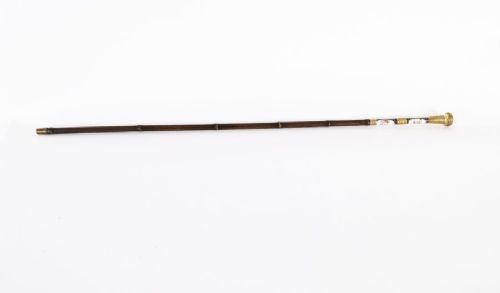
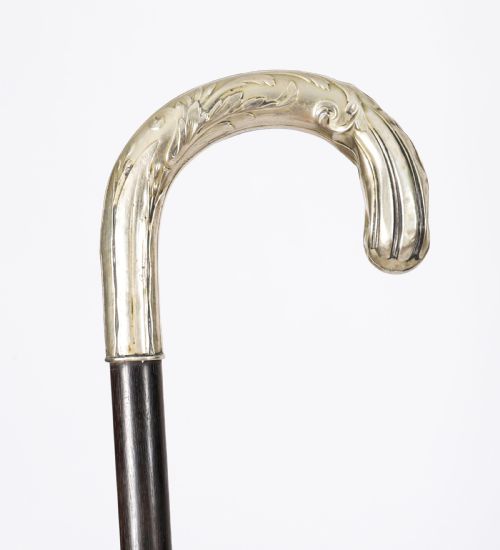
Metal items utilise silver plate or gold plate over base metals, often combined with engraving or applied decorative borders. Glass pieces employ specialised moulding and opalescent finishing techniques to achieve their characteristic appearance.
Assessing quality in antique plate
Quality rests heavily on the skill of the artist and the prestige of the manufacturing house. Pieces painted by recognised named artists command greater attention due to the meticulous detail and lifelike execution of their subjects.
The crispness of the porcelain body, the depth of the glaze, and the preservation of hand-applied gilt accents distinguish superior examples from standard production pieces.
Royal Worcester·Mabie Todd And Co·Cauldon Ltd·Derby Porcelain·Minton Porcelain·Barr Flight And Barr·Coalport·Meissen·Rene Lalique·Royal Crown Derby·Moorcroft
The Collectable Plate Glossary
- Cabinet plate
- A decorative ceramic plate intended for display in a cabinet or on a wall rather than for practical dining use. These often feature elaborate hand-painted scenes.
- Bone china
- A type of soft-paste porcelain incorporating bone ash, known for its high strength, chip resistance, and translucent white body. It became a staple of English potteries.
- Gilt
- A thin layer of gold applied to the surface of porcelain or metal objects for decorative effect. It adds a warm metallic sheen to rims and motifs.
- Enamel
- A decorative vitreous substance fused to the surface of metal or ceramic through firing. It provides vibrant, durable colour.
Collectable Plate: Frequently Asked Questions
How were cabinet plates displayed?
Cabinet plates were historically shown off in dedicated display furniture, mounted on walls, or placed on specialised stands to showcase their artistry.
Today, owners continue to exhibit them on plate stands or wall brackets to protect the delicate painted surfaces while enjoying the visual impact.
What is the difference between bone china and porcelain?
Bone china includes calcified animal bone within the clay mixture, which yields a brighter white colour and greater translucency than standard hard-paste porcelain.
Both materials accept hand-painted enamel decoration exceptionally well, though bone china became particularly favoured by English manufacturers.
Can antique plates still be used for dining?
Most antique decorative plates are best reserved for display due to the delicate nature of their hand-painted enamels and potential wear to gilt borders.
Silver-plated items require careful hand washing to maintain their finish and prevent damage to the underlying metal.
How do I identify the period of a plate?
Makers' marks stamped or painted on the reverse of ceramic pieces provide the primary key to dating, often corresponding to specific registration years or factory ciphers.
Stylistic cues such as floral borders, colour palettes, and framing techniques also help narrow down the manufacturing era.