



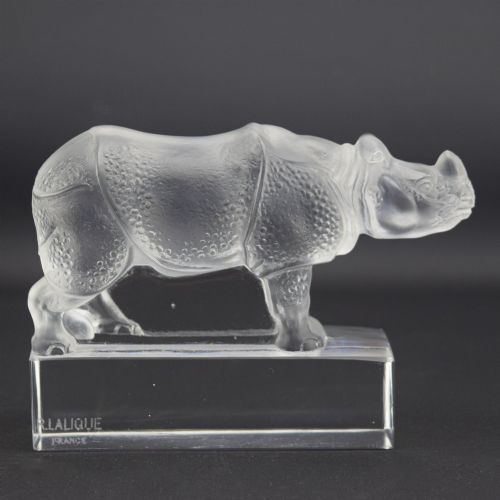

Collectable Glass
These collectable antique glass pieces span delicate Victorian scent bottles to bold Art Deco vases, offering rich colour and tactile weight for any interior.
Collectable Glass
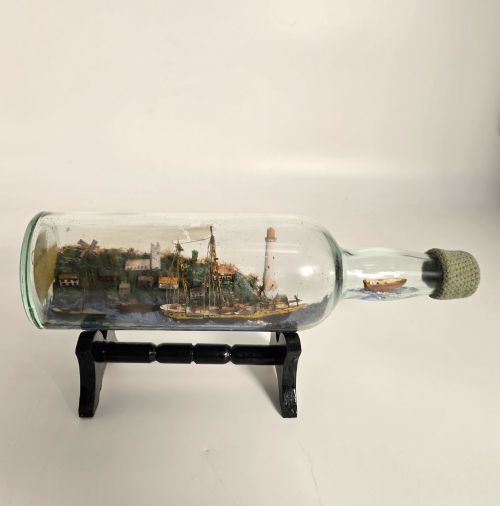
When you search for collectable antique glass, you encounter a diverse array of items ranging from nineteenth century utility objects and Victorian scent bottles to striking twentieth century decorative items. The selection frequently includes vases, paperweights, perfume bottles, and car mascots created during distinct historical periods.
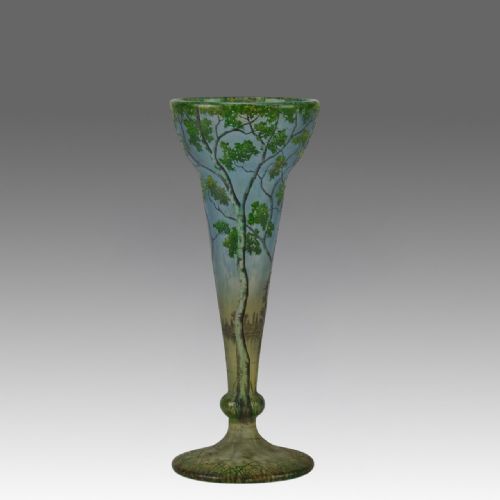
Vases and scent bottles dominate the forms you will meet on this page, particularly works representing the Art Nouveau and Art Deco movements. Pieces often feature specialised treatments like acid etching, enamel, or opalescent effects applied to clear or frosted glass.
Origins span British production alongside notable continental European makers, stretching from the Victorian era through the Edwardian years and into the 1930s. Alongside pure glassware, some items incorporate brass, sterling silver, wood, or leather elements in their construction.
Materials and production techniques
Makers utilised clear glass, frosted glass, and opalescent glass as the primary substrates for moulding, blowing, and shaping. Cameo glass pieces required multiple coloured layers fused together before artisans carved away the surface to reveal contrasting designs.
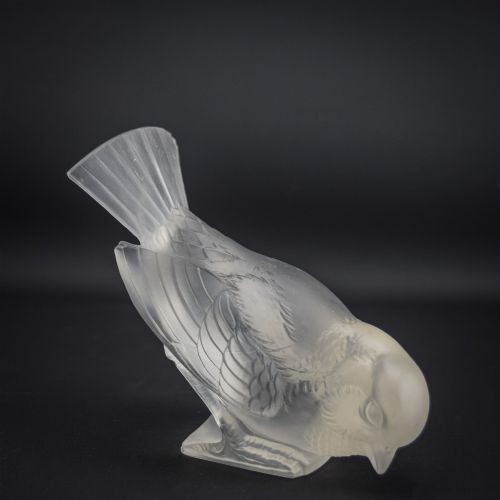
Surface decoration frequently involved acid etching to create tactile frosted textures or applied enamel to add permanent colour details. Many glass bodies were then mounted in sterling silver, brass, or wood for utility or display.
Collectable Glass Retail Price Guide 2026
Typical asking prices for collectable glass among the pieces listed under this phrase on Sellingantiques today, from the lower quarter to the upper quarter. They describe what is for sale here now, not the wider market.
Listings feature items spanning the Victorian era through the 1930s, encompassing clear, frosted, opalescent, and cameo glass.
Factors determining quality
The sophistication of the design and the precision of the carving or moulding separate standard production from exceptional examples. Cameo glass quality rests on the depth of the layers and the crispness of the undercutting, whereas moulded glass relies on the clarity of the relief and the finish of the surface.
The presence of original mounting materials, specialised patination, or coloured staining enhances the integrity of an object. The reputation of the workshop and the artistic ambition behind the form ultimately govern the standing of each piece.
Rene Lalique·Daum Freres·Galle·Tiffany And Co
The Collectable Glass Glossary
- Cameo Glass
- Glass formed with multiple distinct layers of different colours, allowing the outer layer to be carved away to produce a raised design. This technique requires immense skill from the glassblower and carver.
- Opalescent Glass
- Glass that displays a milky, semi-translucent appearance with a bluish or pearlescent glow when lit from certain angles. It is frequently found in decorative twentieth century bowls and vases.
- Acid-Etched Glass
- Glass treated with acid to dissolve exposed areas, creating frosted or textured decorative patterns. The method allows for intricate surface designs without manual cutting.
- Millefiori
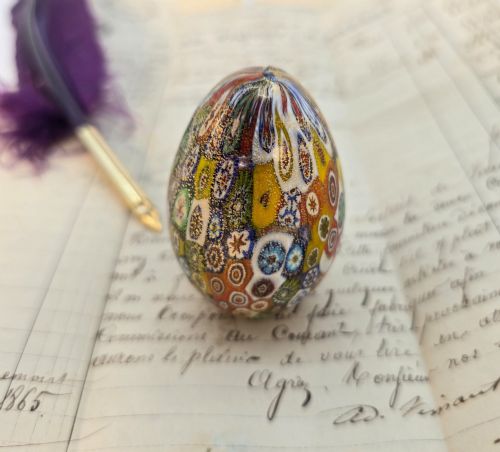
- A glasswork technique involving multi-coloured glass rods heated and drawn out into canes, then sliced to reveal mosaic patterns. These sections are gathered together within clear glass, commonly seen in paperweights.
- Car Mascot
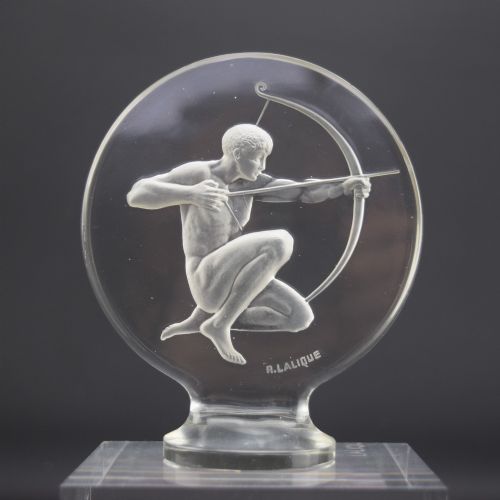
- A decorative ornament mounted on the radiator cap or bonnet of an automobile, popular during the interwar period. Many prominent glassmakers produced these sculptures in heavy moulded glass.
Collectable Glass: Frequently Asked Questions
What is opalescent glass?
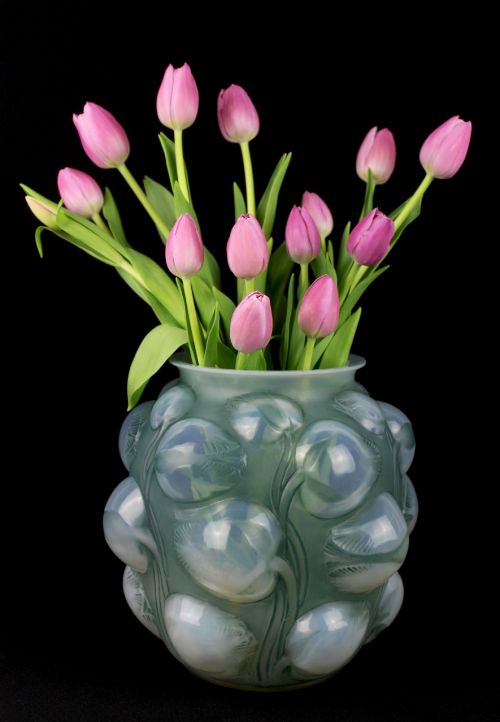
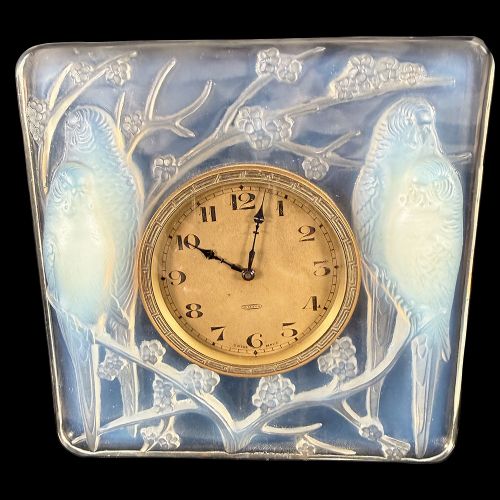
Opalescent glass contains chemical agents that cause parts of the material to scatter light, producing a milky blue or pearlescent appearance. It changes tone depending on whether light passes through or reflects off the surface.
This effect was heavily utilised by interwar designers to highlight sculptural relief on vases, bowls, and car mascots. The milky glow concentrates in the thicker moulded sections of the object.
How were perfume bottles used?
Victorian and Edwardian perfume bottles held liquid scents and were designed for dressing tables or personal travel use. Many featured secure sterling silver screw caps or glass stoppers to prevent evaporation.
Later twentieth century examples served as luxury display items with intricate stoppers shaped like butterflies, flowers, or figural motifs. Their design reflected the high fashion of the perfume houses they accompanied.
What is a glass paperweight?
Glass paperweights are heavy, solid decorative objects designed to hold loose papers in place on a desk. They often encase complex internal patterns made from coloured glass canes, bubbles, or moulded figures.
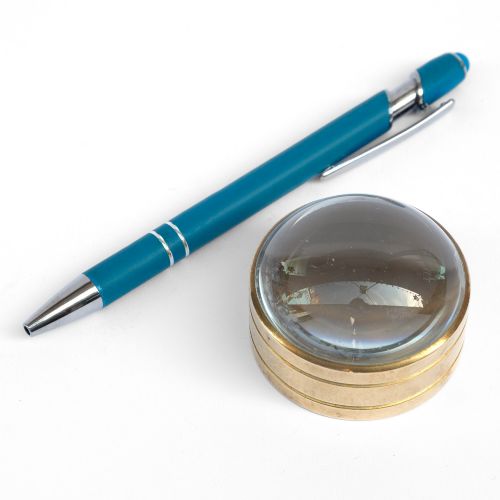
Production techniques like millefiori arrange intricate mosaic cross-sections within a clear dome of glass. The magnifying dome enhances the colourful internal design when viewed from above.