




Collectable Caddy
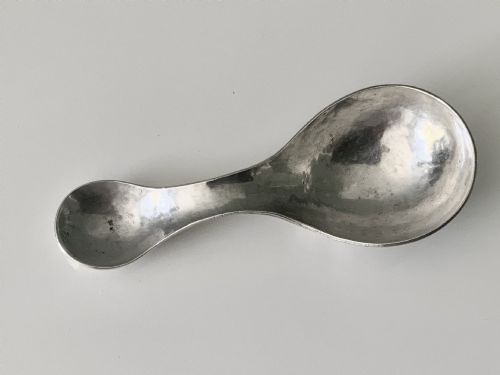
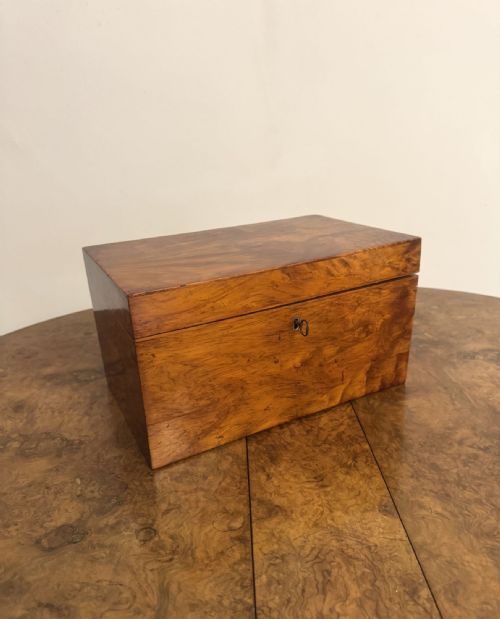
These pieces of collectable antique caddy encompass small silver spoons and timber boxes made to store or serve tea.
Collectable Caddy
A collectable antique caddy covers wooden tea chests and silver spoons designed for leaf tea. The walnut, yew wood and silver pieces found here date from the Regency and Victorian periods up to the twentieth century.
Buyers encounter timber tea caddies alongside silver and silver gilt spoons, plus novelty biscuit tins. These domestic objects reflect the changing social rituals of tea drinking over two centuries.
How they were made
Makers shaped timber tea caddies and barrels from walnut and yew wood, often highlighting natural grain patterns. Metal pieces utilise sterling silver, brass and lithographed tinplate.
Silversmiths formed caddy spoons by hand, adding cast motifs or engraved crests. Tinplate boxes relied on lithography to mimic carved hardwood or leather book bindings.
Collectable Caddy Retail Price Guide 2026
Typical asking prices for collectable caddy among the pieces listed under this phrase on Sellingantiques today, from the lower quarter to the upper quarter. They describe what is for sale here now, not the wider market.
Biscuit manufacturers once packed sweet treats inside metal books so convincing that guests might try to read the tea tin.
What varies in quality
Quality rests upon the crispness of metal engraving and the choice of timber veneer. Fine silver spoons display sharp crests and solid gauge metal rather than thin pressed plates.
Wooden caddies rely on well-matched veneers and sound structural joinery. Novelty items succeed when lithography and surface textures remain clear and convincing.
William Neale·Huntley And Palmers
The Collectable Caddy Glossary
- Tea caddy
- A small box or chest intended for storing loose tea leaves securely. These containers often featured internal compartments and fitted lids.
- Caddy spoon
- A specialised short-handled spoon used for measuring out loose tea from the caddy into the pot. They appeared in various metal designs including jockey caps and palm patterns.
- Silver gilt
- Silver covered with a thin layer of gold applied by fire gilding or electroplating. This finish protected the underlying silver and added a rich yellow lustre.
- Lithographed metal
- Metal sheet printed using a stone or metal plate planographic process. Manufacturers utilised this technique to decorate biscuit tins with colourful surface patterns.
Collectable Caddy: Frequently Asked Questions
How do you use a caddy spoon?
A caddy spoon measures dry tea leaves from the storage chest into the teapot. Their short handles allowed them to sit comfortably inside or on top of the tea canister.
Silver smiths shaped these small spoons in numerous imaginative forms, including shells, jockey caps and floral patterns.
How do you date a silver caddy spoon?
Dating silver items relies on stamped hallmarks that record the assay office, standard mark and date letter. Makers' marks also help identify the workshop and active period.
Stylistic shifts in engraving and handle design offer further clues when hallmarks are rubbed or missing.
What are novelty biscuit tins?
Novelty biscuit tins are decorative metal containers shaped to resemble books, wooden boxes or other everyday objects. Biscuit manufacturers produced them as attractive packaging to boost sales.
Lithographed surfaces created realistic textures that fooled the eye, making surviving tins popular with collectors today.