



Collapsible Table
A collapsible table is a portable piece designed for easy folding and storage, offering clever utility and distinct historical character.
Collapsible Table
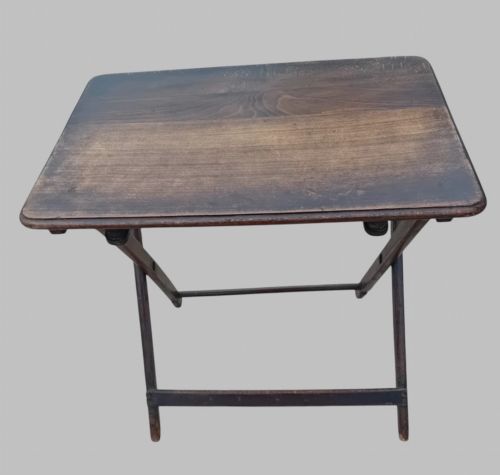
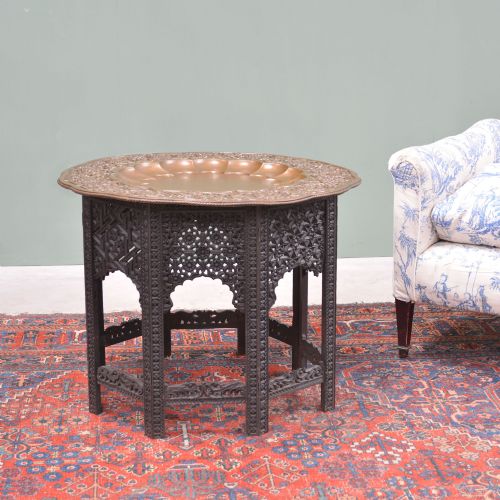
A collapsible table represents a portable surface designed to fold or pack down for convenient storage and transport. When you search for a collapsible table, you encounter diverse forms ranging from campaign furnishings to intricate tray top designs.
Origins stretch from English workshops to Anglo-Indian pieces featuring traditional carving and inlay work. Forms include occasional tables, side tables, dining tables, and games tables suited to flexible living spaces.
How they were made
Construction relies heavily on hardwoods such as teak, mahogany, oak, padauk, and beech, chosen for durability and rich grain. Carpenters utilised brass for hinges, fittings, and folding mechanisms to ensure smooth operation during travel or storage.
Decorative surfaces often incorporate bone and bone inlay, particularly within Anglo-Indian pieces featuring intricate carved details. Turned elements like barley twist legs appear on English oak examples, while other designs utilise fretted teak and removable brass trays.
Collapsible Table Retail Price Guide 2026
Typical asking prices for collapsible table among the pieces listed under this phrase on Sellingantiques today, from the lower quarter to the upper quarter. They describe what is for sale here now, not the wider market.
Listings feature woods like teak, mahogany, oak, padauk, and beech, alongside brass and bone inlay materials.
What varies in quality
Quality rests in the precision of the folding mechanism and the stability of the frame when fully extended. Finer examples maintain rigid joints and seamless movement without looseness in the hinges or supports.
Surface ornamentation separates standard items from exceptional work, particularly in the depth of hand carving and the precision of bone inlay. The selection of timber grain and the crispness of turned details also dictate the standing of a piece.
The Collapsible Table Glossary
- Campaign style
- Furniture built for military officers and travel, featuring folding frames and collapsible elements for portability.
- Tray top
- A removable surface with a raised edge designed to lift off the folding base for serving.
- Anglo Indian
- Pieces produced in India during the British period, combining local craftsmanship with European forms.
- Barley twist
- A spiral turning technique used on table legs and supports, popular in seventeenth-century revival furniture.
- Bone inlay
- Decorative fragments set flush into the wooden surface to create geometric or floral patterns.
Collapsible Table: Frequently Asked Questions
What is a collapsible table?
A collapsible table is a portable furnishing engineered to fold, pack down, or disassemble for easy storage and movement. These pieces combine practical utility with traditional craftsmanship across various historical periods.
Such tables served practical roles in homes, gardens, and military camps, allowing surfaces to appear or vanish as needed. Today they provide flexible display areas while retaining distinct period character.
How were folding tables used historically?
Historically, folding tables provided temporary surfaces for dining, games, serving, and administrative work in officers' quarters or domestic settings. Their portability made them essential for travel, garden parties, and veranda living.
Many designs allowed the top to lift off or the base to scissor flat, making them simple to stow away when floor space was required. This practical adaptability explains their continued presence in modern interiors.
How do I live with a collapsible table?
Living with a collapsible table involves placing it where its surface utility and folding nature can be appreciated. They function well as occasional side tables, bedside surfaces, or display stands for lamps and objects.
Care should be taken to protect antique timber and delicate bone inlay from excessive moisture and direct heat. Regular dusting and gentle waxing preserve the polished finish of hardwoods like teak and mahogany.
How do I tell periods apart?
Distinguishing periods relies on observing timber choices, hardware materials, and stylistic motifs such as Jacobean revival turnings or Victorian oak construction. Pieces from the nineteen-hundreds often display Anglo-Indian carving and inlaid bone details.
Nineteenth-century examples frequently lean towards campaign brass fittings and dense woods like padauk or teak. Examining the joinery and folding mechanisms provides further clues to a piece's age and origin.