






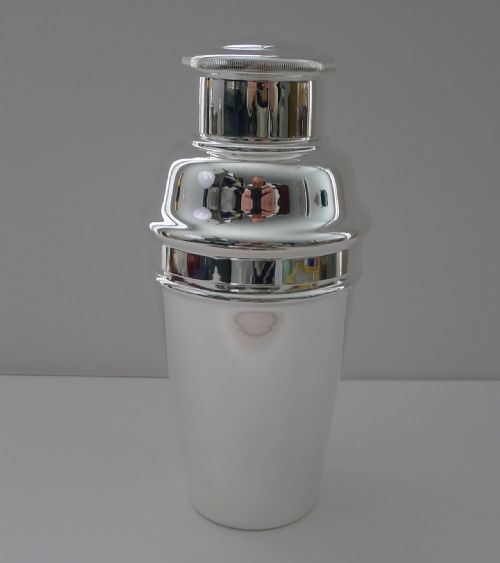


Cocktail Mixer Accessory
A cocktail mixer accessory brings the mechanical cleverness of the twentieth century straight to the home bar.
Cocktail Mixer Accessory
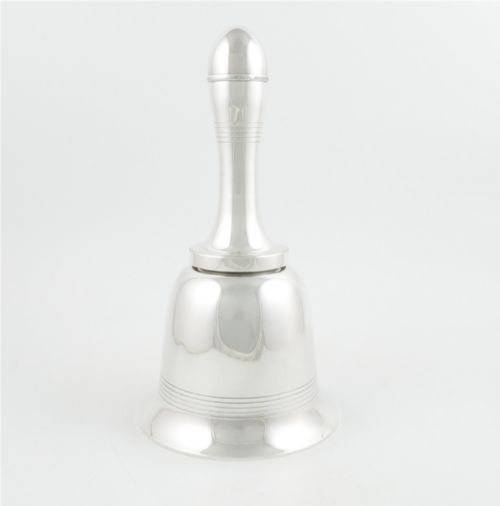
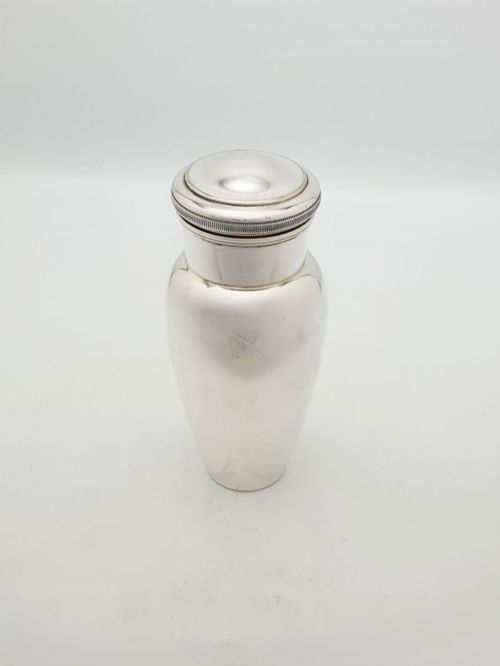
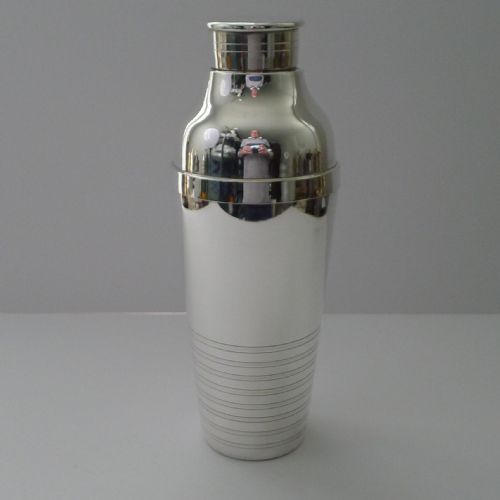
A cocktail mixer accessory encompasses the silver plated, glass, and metal shakers and barware that defined entertaining during the Art Deco and Mid-Century Modern periods. Buyers searching for a cocktail mixer accessory most frequently encounter silver plated vessels from the 1920s, 1930s, and 1940s, often produced by notable silversmiths and retailers in England, France, Italy, and Germany.
The forms range from standard bachelor shakers and larger capacity vessels to specialised designs incorporating integral lemon squeezers, ice breakers, and rolling mixer recipes. These pieces draw on geometric lines and functional ingenuity, reflecting the distinct cocktail culture of the interwar decades and subsequent mid-century design movements.
Materials and Techniques
Makers constructed these pieces primarily from silver plate and electroplated nickel silver over a base metal, frequently combining them with moulded glass, Bakelite, and enamel accents. Metalspinning and stamping techniques shaped the cylindrical and faceted bodies of the shakers.
Internal components such as lemon squeezers, strainers, and ice breakers were cast or soldered into the interior neck and lid assemblies to ensure functional sealing during use.
Cocktail Mixer Accessory Retail Price Guide 2026
Typical asking prices for cocktail mixer accessory among the pieces listed under this phrase on Sellingantiques today, from the lower quarter to the upper quarter. They describe what is for sale here now, not the wider market.
Some shakers quietly whisper recipes to the host through clever revolving metal bands.
Evaluating Cocktail Mixer Accessories
Quality in a cocktail mixer accessory rests on the caliber of the metal plating, the integrity of internal mechanisms like lemon squeezers and ice breakers, and the precision of the construction. Superior examples maintain crisp engraving on recipe bands and smooth operation of tight-fitting lids and caps.
Maker attribution and design provenance elevate a piece significantly, distinguishing standard commercial production from numbered designer works or items retailed by premier establishments. The weight of the metal and the clarity of applied enamel or Bakelite components further separate ordinary barware from distinguished specimens.
J. B. Chatterley & Sons·James Dixon & Sons·William Suckling·Mappin & Webb·Carl Deffner·Lutz & Weiss
The Cocktail Mixer Accessory Glossary
- Electroplated Nickel Silver
- A base metal alloy coated with a layer of silver through an electrolytic process, commonly abbreviated as E.P.N.S. This method provided a durable, lustrous surface for interwar barware without the cost of solid silver.
- Bachelor Shaker
- A smaller cocktail shaker designed to hold a single serving or a modest quantity of drinks. These compact vessels were popular for private dens and smaller gatherings.
- Bakelite
- An early form of synthetic plastic used for handles, knobs, and decorative accents on mid-century barware. Its resilience and capacity for vivid colours made it a staple of the Art Deco palette.
- Base Metal
- The underlying metallic material, such as brass, copper, or nickel alloy, used as a foundation for silver plating. Over decades of polishing, the base metal may subtly show through the worn high points of the silver layer.
Cocktail Mixer Accessory: Frequently Asked Questions
What is a cocktail mixer accessory?
A cocktail mixer accessory refers to functional barware items from the twentieth century, primarily silver plated and glass shakers equipped with built-in tools like lemon squeezers and ice breakers.
These pieces were engineered to combine preparation and mixing into a single vessel during the height of home cocktail culture.
How do I identify an Art Deco shaker?
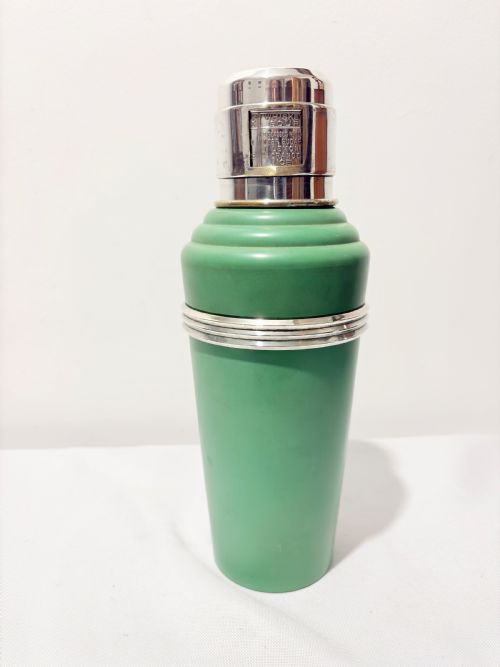
Art Deco shakers are recognised by their geometric silhouettes, stepped lids, and clean, streamlined metallic surfaces. Many feature architectural motifs or contrasting materials such as green Bakelite and coloured enamel.
The period style emphasises symmetry, functional efficiency, and industrial modernism.
What are recipe shakers?
Recipe shakers feature engraved or rolled cocktail formulas directly on the exterior body of the vessel. Users could rotate rings or read fixed text to find measurements for classic drinks.
This practical innovation served as both a functional guide and a decorative element for hosts.
How should I clean silver plated barware?
Silver plated barware requires gentle cleaning with a soft cloth and specialised silver polish to preserve the plating over the base metal. Avoid abrasive pads or harsh chemicals that can strip the thin silver layer or damage enamel details.
Hand washing in warm soapy water immediately after use prevents tarnishing from citrus juices and alcohol.