





Coastal Maritime Oil Artwork
Coastal maritime oil artwork captures harbours, ships and shorelines through pigment applied directly to canvas, panel or board by generations of painters.
Coastal Maritime Oil Artwork
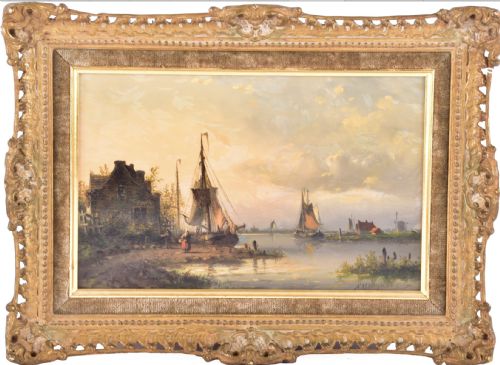
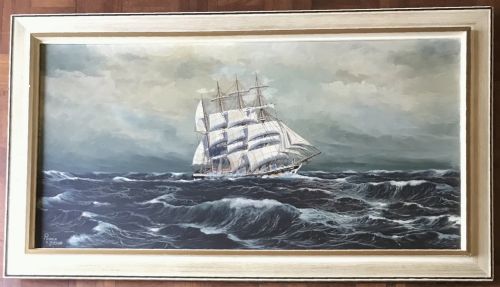
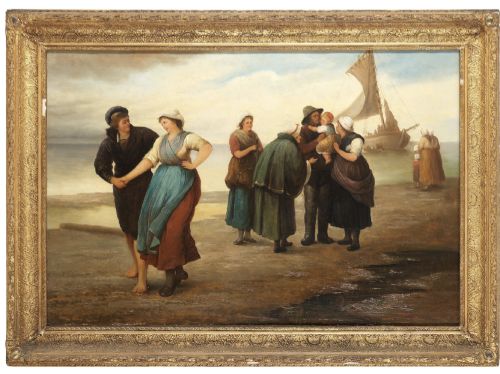
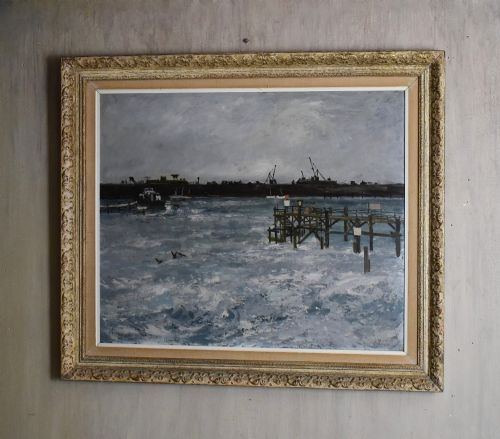
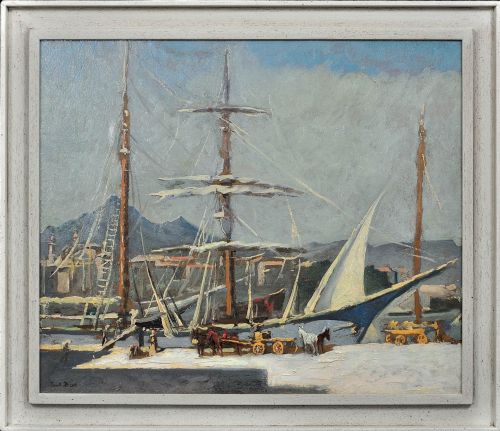
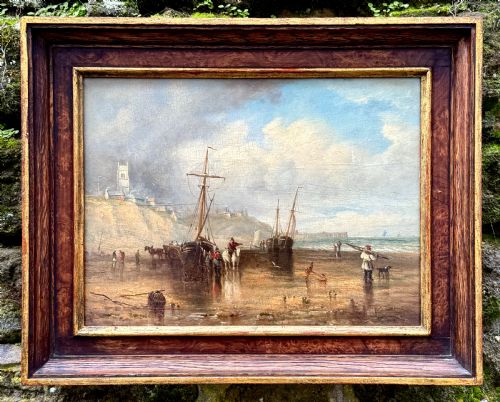
A coastal maritime oil artwork records the changing moods of the sea, from calm harbour basins to turbulent gales off distant headlands. Buyers searching this phrase encounter depictions ranging from nineteenth-century British and French school canvases to mid-twentieth-century modernist interpretations on board.
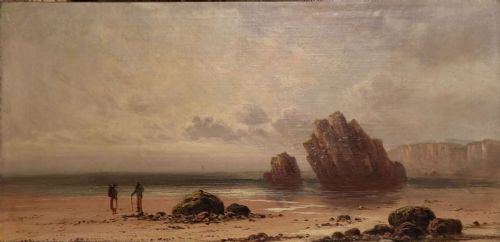
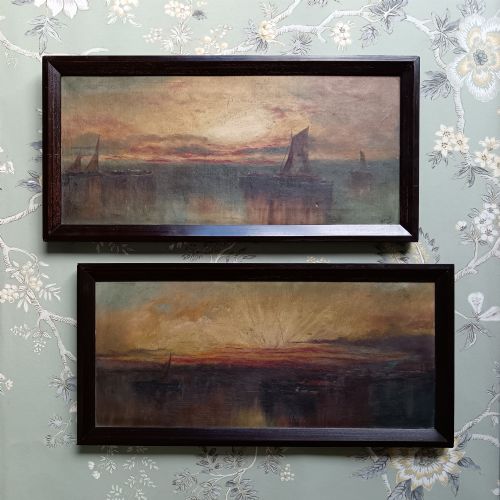
The selections span distinct eras including the Victorian period, Edwardian output, and twentieth-century post-impressionist works. Common subjects involve sailing barges, war vessels, fishing ports, and rocky coastal inlets rendered with varied brushwork.
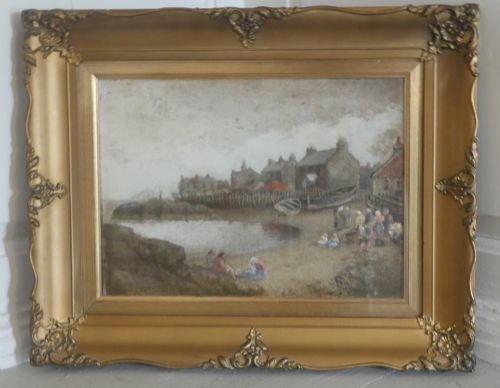
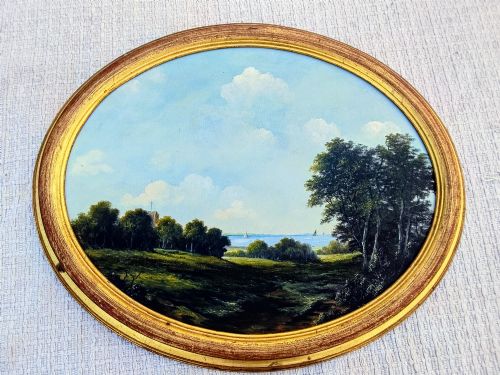
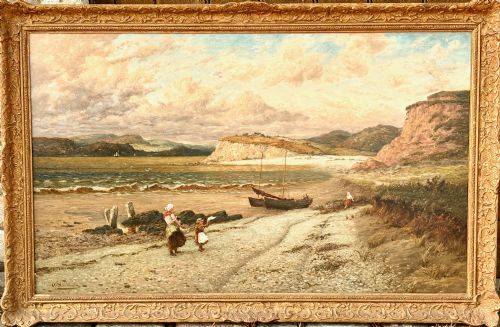
Works appear in formats such as oval canvases, large horizontal seascapes, and intimate panel paintings. Many retain their period gilt wood frames, completing the historic presentation of each maritime scene.
Materials and techniques
Artists built these coastal maritime oil artworks using oil paint applied to prepared canvas, wooden panel, or sturdy board. Pigments were manipulated with brushes or laid down in thick impasto strokes to suggest churning water and textured cliffs.
Many of the older pieces utilise traditional stretched linen canvases secured within ornate gilt wood frames. Later twentieth-century examples frequently employ masonite or artist boards as a stable ground for direct application of oil colour.
At least one canvas preserves the briny air of a gale without requiring you to brave the choppy North Sea.
Distinctions in quality
Quality rests upon the artist's command of light, atmosphere, and maritime architecture. Superior pieces demonstrate accurate rendering of rigging, hull construction, and tidal movement combined with a confident handling of pigment.
The depth of the composition and the subtlety of the colour palette separate accomplished works from routine topographical records. Frames also contribute significantly, as period-appropriate gilt wood surrounds enhance the visual impact of the painted surface.
Bonaventura Peeters·John Wilson Carmichael·Abraham Cooper·William Henry Williamson·Abraham Hulk I·Charles Napier Hemy·Louis Suire
The Coastal Maritime Oil Artwork Glossary
- Impasto
- Paint applied thickly to a canvas or board, standing out in relief from the surface. This technique allows the artist to build tactile texture into crashing waves or rocky shorelines.
- Panel
- A rigid support for painting, typically made of wood. Panels provide a firm backing that prevents the flexing associated with unstretched canvas.
- Gilt wood
- Wood carved and coated with a thin layer of gold leaf or metallic gold paint. It frequently forms the decorative frame surrounding historic oil paintings.
- Seascape
- A painting depicting the sea, ocean, or coastal views. These works focus primarily on marine elements rather than terrestrial landscapes.
Coastal Maritime Oil Artwork: Frequently Asked Questions
How do I date an old maritime painting?
Dating relies heavily on stretcher construction, canvas types, and stylistic clues within the clothing or vessel design. Frame styles also offer reliable indicators of the period.
Signatures, exhibition labels, and written inscriptions on the reverse often provide specific dates or the artist's active lifespan.
Where should I hang a coastal oil painting?
Choose a wall away from direct sunlight and steady moisture sources to protect the oil paint and canvas. Stable indoor temperatures prevent warping in both the panel and the frame.
Eye-level placement typically offers the best viewing angle for appreciating the brushwork and maritime detail.
What is the difference between canvas and board?
Canvas provides a flexible woven surface that requires stretching over a wooden frame, introducing springiness to the touch. Board offers a rigid, unyielding support often favoured for smaller outdoor sketches.
Both materials host oil paint effectively, though board surfaces generally require less tension maintenance over time.
How do I care for antique oil artwork?
Dust the surface gently with a soft, dry brush to prevent particulate buildup on the pigment. Avoid chemical cleaners and moisture when tending to the painted area.
Professional conservators should handle any deep cleaning or structural repairs required for the canvas and frame.