

Coastal
A coastal antique brings the atmosphere of the shore and the sea into a room through watercolours, oils, and maritime craft.
Coastal
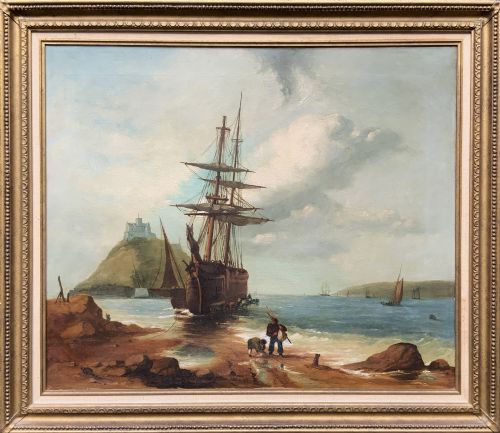
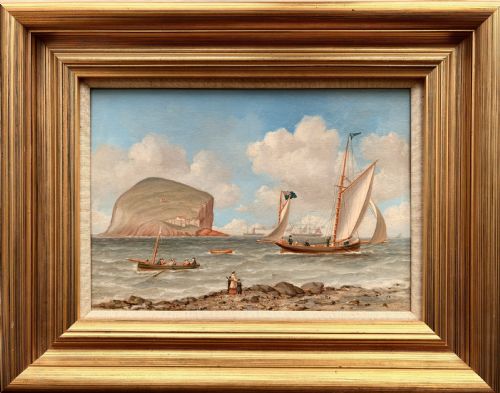
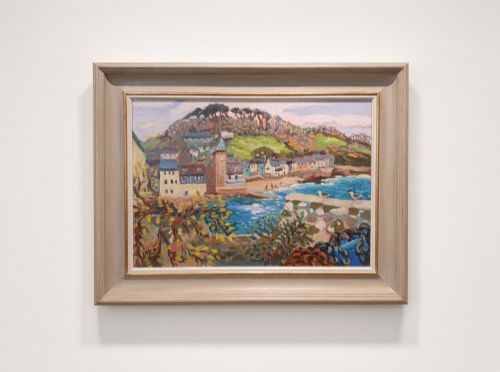
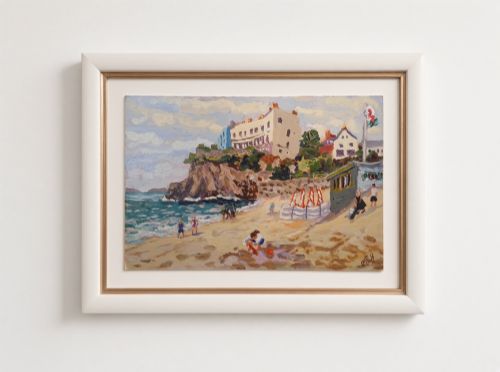
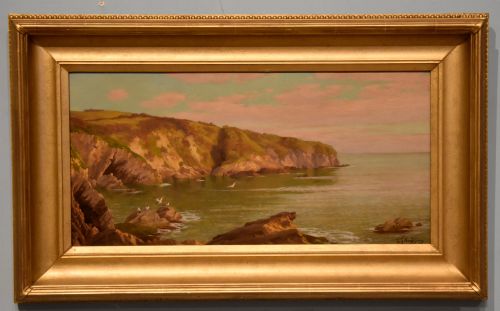
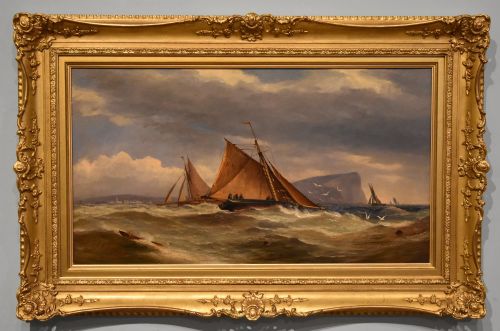
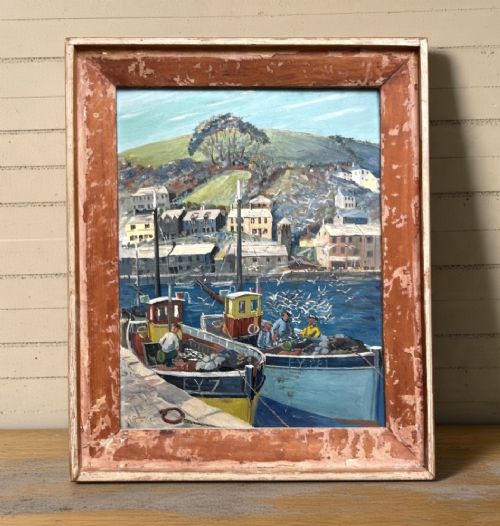
When searching for a coastal antique, collectors examine paintings, watercolours, and decorative objects that depict maritime scenes, harbours, and shores. These pieces record working ports, fishing boats, and dramatic seascapes across the nineteenth and twentieth centuries.
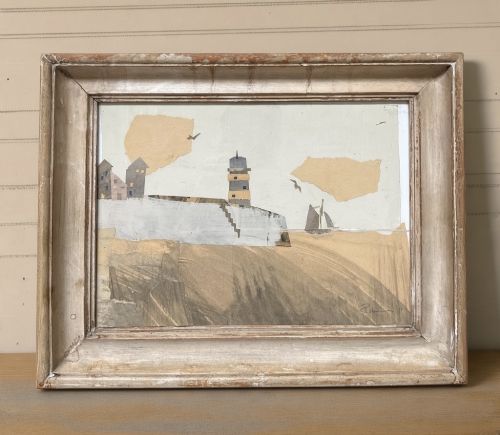
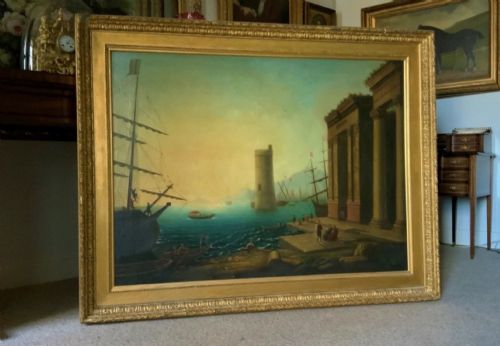
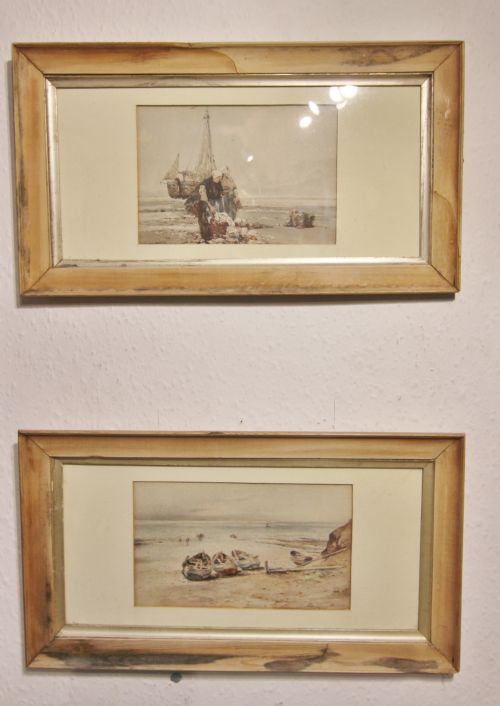
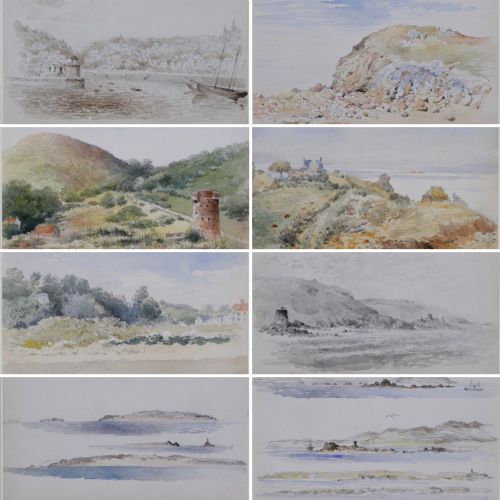
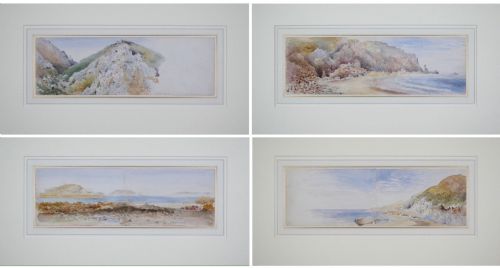
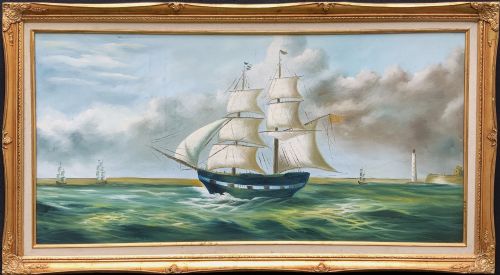
The most frequent examples on this page are nineteenth-century watercolours and oil paintings on canvas or panel, alongside framed wall art and folk art shellwork. Works range from detailed depictions of Sicilian harbours and British fishing ports to atmospheric evening views.
Makers and artists captured the movement of the tide and the life of coastal communities using traditional media. Buyers find both intimate sketches and large framed oil paintings suitable for domestic display.
How they were made
Artists applied oil paint to canvas, board, and panel, or worked with watercolour on paper to capture light and water. Pigments were brushed onto surfaces prepared with gesso or ground, often housed within gilt wood frames.
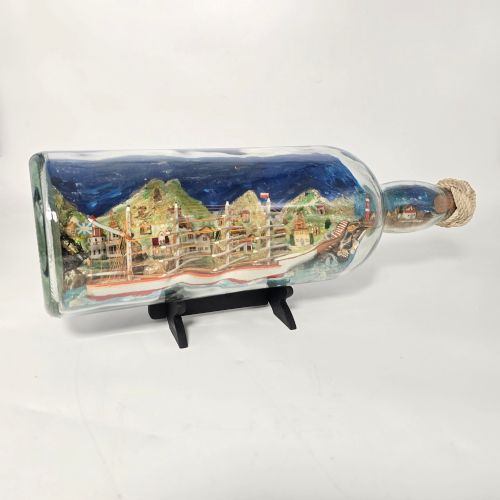
Folk art objects utilised natural materials gathered from the shore, such as shells applied to boxes, jars, and mirrors. Artisans constructed dioramas and ship models using glass bottles, wood, and rigging thread.
Coastal Retail Price Guide 2026
Typical asking prices for coastal among the pieces listed under this phrase on Sellingantiques today, from the lower quarter to the upper quarter. They describe what is for sale here now, not the wider market.
Materials span oil on canvas, watercolour on paper, gilt wood frames, and shellwork decor.
What varies in quality
The standard of a coastal antique rests on the hand of the artist and the precision of the brushwork. Works by named painters exhibit a confident handling of light on water and accurate proportions of vessels and architecture.
Materials and framing also contribute to the distinction of a piece. Original gilt wood frames and well-preserved watercolours with strong, unblemished colour hold greater visual presence than later replacements or faded sheets.
Robert Buchan Nisbet·Nicolaas Martinus Wijdoogen·James Hardy·James Orrock·William Cannon·R Leyton·James Smetham·B Nash·Edward Mills·James E Aitken·John E Aitken·William Banks Fortescue·Augusto Alberici·Thomas William Morley·Hector Caffieri·Bernard Benedict Hemy·Thomas Creswick·Thomas Maidment·TB Hardy·Cecil Allan Mould·Charles Euphraisie Kuasseg·John Wilson Carmichael·Alfred G Morgan·Abraham Cooper
The Coastal Glossary
- Watercolour
- A painting method where fine pigment is mixed with water-soluble binders and applied to paper. This medium allows for transparent washes of colour that suit luminous sky and sea effects.
- Oil on Canvas
- A technique using pigments suspended in drying oils applied to stretched woven fabric. This combination permits rich texture and deep tonal layering.
- Folk Art
- Objects created by self-taught makers or craftsmen outside the formal academic tradition. These pieces often incorporate unconventional materials like seashells and carved wood.
- Seascape
- A work of art depicting the sea, coastlines, ships, or marine views. Such subjects gained immense popularity during the Victorian and Edwardian periods.
- Gilt Wood
- Wood carved and coated with a thin layer of gold leaf or metallic powder. Frames finished in this manner were designed to enhance oil paintings and mirrors.
Coastal: Frequently Asked Questions
What periods do these pieces cover?
The selection spans from the eighteenth century through the Victorian and Edwardian eras up to the mid-twentieth century.
Most items date from the nineteenth and early twentieth centuries, reflecting the high Victorian interest in maritime subjects.
How were shellwork boxes used?
Folk art shellwork pieces served as decorative containers and mantelpiece ornaments in nineteenth-century homes.
Their intricate patterns were constructed using shells gathered from coastal travels.
How do I identify a watercolour?
Watercolours are painted on paper and typically displayed behind glass within a protective mount and frame.
Examining the surface closely reveals the translucent washes characteristic of water-soluble pigments.
Where were these scenes usually painted?
Artists recorded views along British coasts, Scottish landscapes, and European harbours in Italy and France.
Many painters travelled to active fishing ports like St Ives and Scarborough to capture working vessels.