

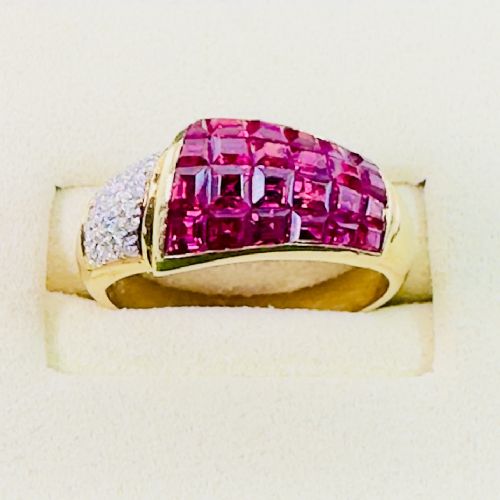
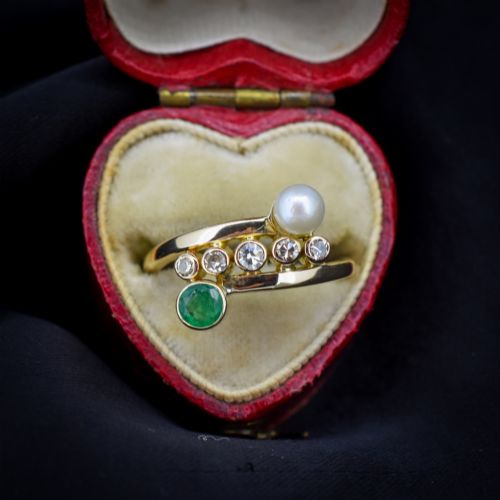
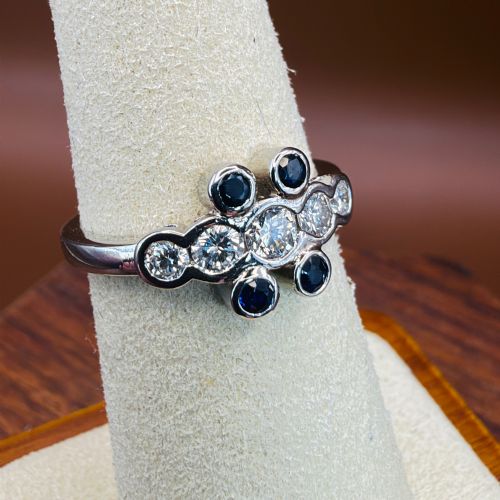
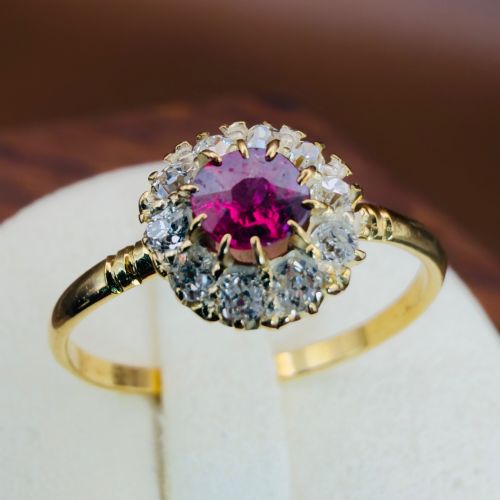


Cluster Ring Setting
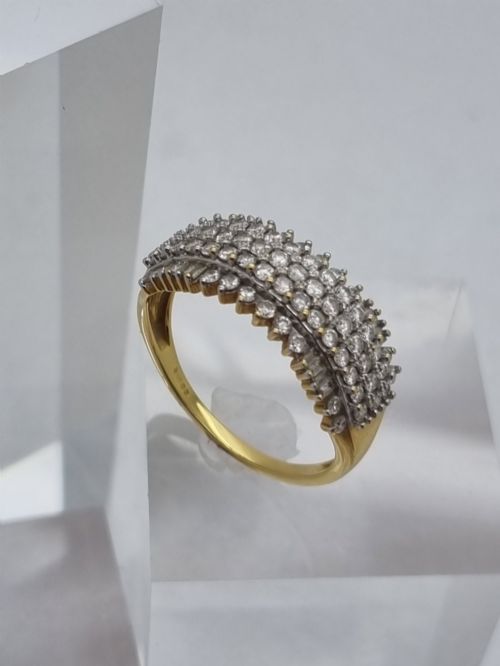
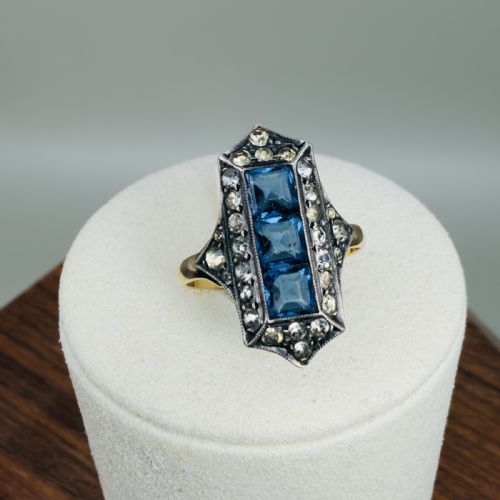
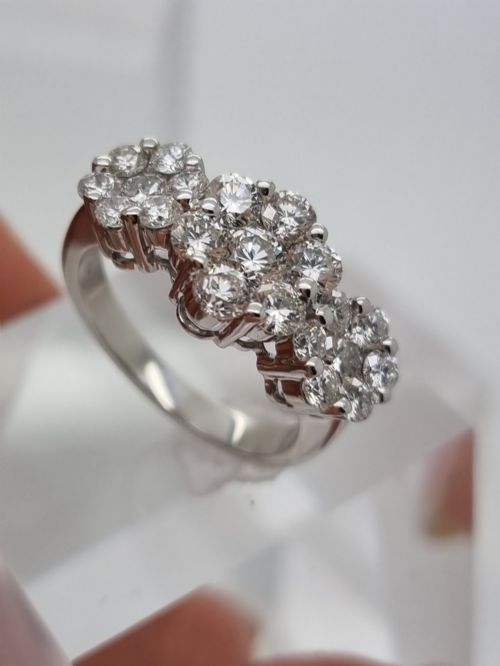
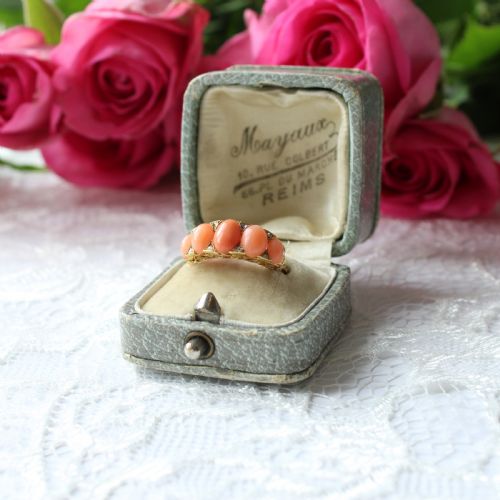
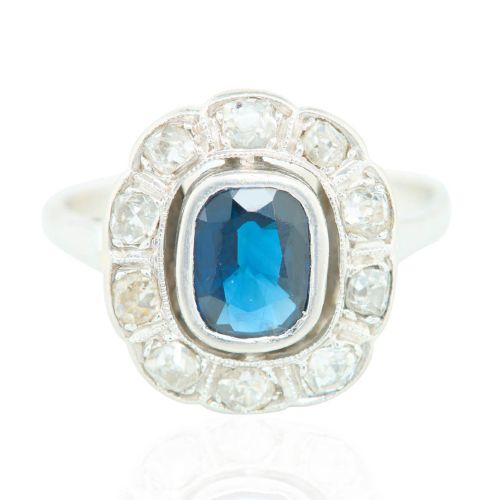
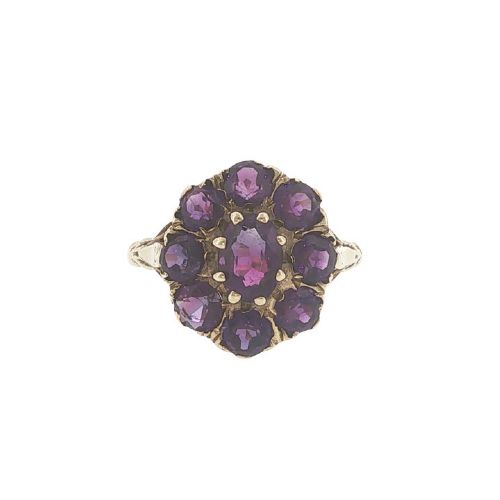
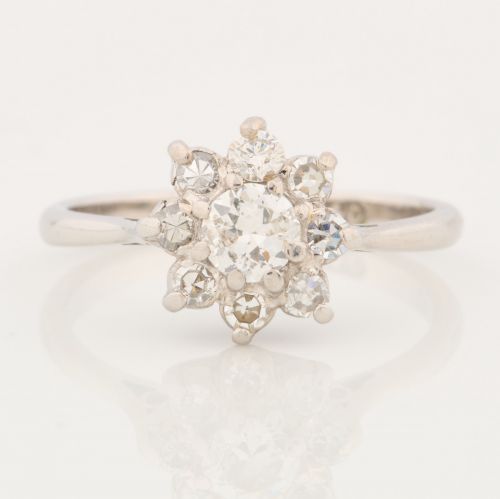
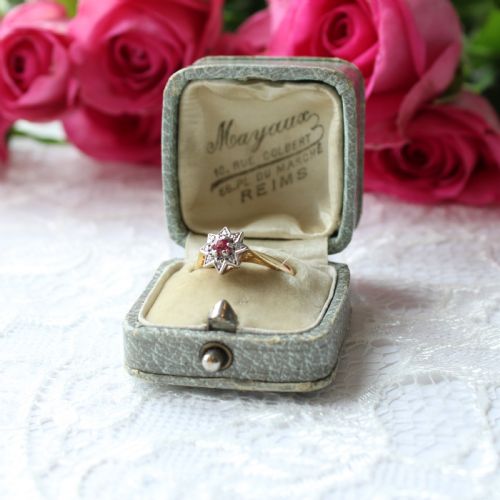
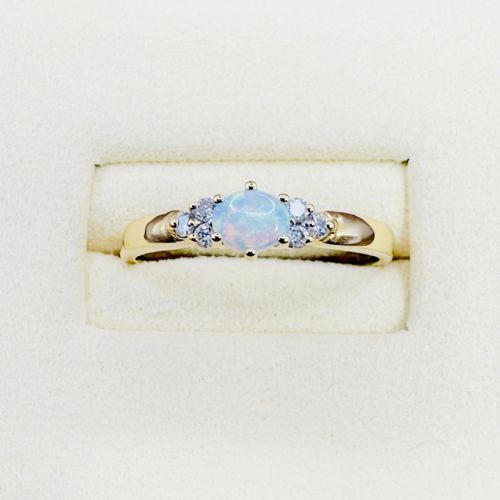
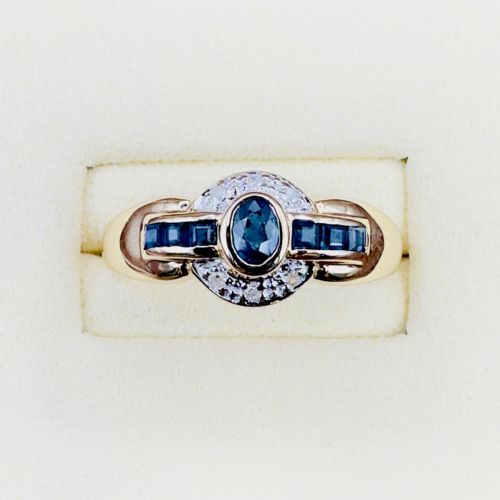
When you search for cluster ring setting, you find a collection of antique and vintage cluster rings featuring central gemstones framed by smaller stones.
Cluster Ring Setting
A cluster ring setting groups a central stone, often a diamond, sapphire, ruby, or emerald, surrounded by an arrangement of smaller gems to maximise brilliance and visual presence. The style spans periods from Victorian and Edwardian eras through Art Deco and Mid-Century designs.
Most examples encountered here combine 18ct yellow gold, white gold, or platinum mounts with precious stones shaped into daisy, halo, or geometric panel formations. These configurations range from subtle dress rings to substantial antique pieces originating from British and French workshops.
Materials and construction
Craftsmen utilised precious metals like 18ct gold and platinum to mount diamonds alongside sapphires, rubies, and emeralds, often combining white and yellow metals within a single piece to accentuate the stones. Early twentieth-century and Art Deco pieces frequently deploy platinum settings over gold shanks to secure intricate stone arrangements.
Setting techniques rely on careful claw, bezel, or pavé methods to hold the central cluster securely while allowing light to pass through the gemstones. Jewelers shaped the mounts into targeted, boat, or floral patterns that defined the aesthetic of each successive decade.
Cluster Ring Setting Retail Price Guide 2026
Typical asking prices for cluster ring setting among the pieces listed under this phrase on Sellingantiques today, from the lower quarter to the upper quarter. They describe what is for sale here now, not the wider market.
Listings span eight distinct periods, stretching from Victorian 1870 examples through Edwardian, Art Deco, and Mid-Century decades to later periods.
Differences in quality
Quality rests in the proportional harmony of the central stone relative to its surrounding frame, alongside the precision of the metalwork securing each gem. Superior examples demonstrate uniform stone matching, secure claw placement, and crisp geometric lines in styles such as Art Deco.
The choice of metal and the integrity of the setting over decades of wear separate standard production from finer handmade pieces. Weight and substantial gauge metal contribute to the longevity and feel of a well-executed cluster ring setting.
The Cluster Ring Setting Glossary
- Cluster ring setting
- A jewellery mounting style where a central gemstone is encircled by a border of smaller stones. This arrangement creates a larger visual impact on the hand.
- Halo cluster
- A specific ring design featuring a prominent central gem enclosed by a continuous ring of smaller uniform diamonds or coloured stones. This format gained significant popularity during the Edwardian and Art Deco periods.
- Old cut diamond
- A hand-faceted diamond shape common in antique pieces predating modern machine-cut standards. These stones display smaller tables and higher crowns.
- Platinum
- A dense, durable white metal utilised extensively in Edwardian and Art Deco mountings. It provides strong claw security for delicate gemstone arrangements.
- Daisy cluster
- A round ring formation where petal-like stones surround a central focal gem. This motif appears frequently in Victorian and vintage designs.
Cluster Ring Setting: Frequently Asked Questions
How do I date a cluster ring setting?
Dating relies on stylistic clues such as gallery work, metal combinations like platinum on gold, and gemstone cuts. Examining the overall geometry points towards specific periods like Edwardian or Art Deco.
Maker marks and hallmarking stamps inside the band provide further chronological evidence where available.
Are these rings suitable for daily wear?
Many of these pieces were built for regular use using durable metals like 18ct gold and platinum. Proper care ensures the settings remain secure over time.
Stones like sapphires and diamonds offer high hardness, though softer gems require additional mindfulness during everyday tasks.
How do platinum settings differ from white gold?
Platinum is a naturally white, dense metal that maintains its colour without plating. It permits delicate, strong prongs for secure stone mounting.
White gold is an alloy requiring rhodium plating to achieve a bright finish, appearing in various vintage and mid-century items.