



Cluster Clip Earrings
Cluster clip earrings bring together tight arrangements of gems and secure fastenings from the Victorian era through the mid-century decades.
Cluster Clip Earrings
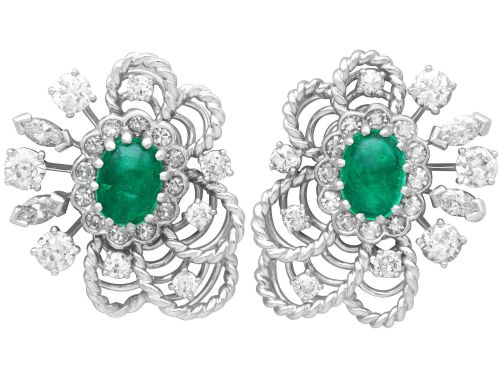
When you search for cluster clip earrings, you find tight groupings of gemstones arranged in floral, sunburst, or geometric patterns that fasten to the earlobe without requiring a pierced piercing.
The versions you are most likely to encounter on this page span from the Victorian and Edwardian periods through Art Deco, Retro, and Mid-Century designs.
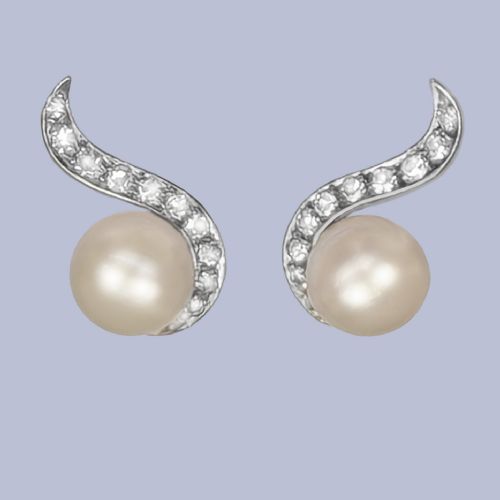
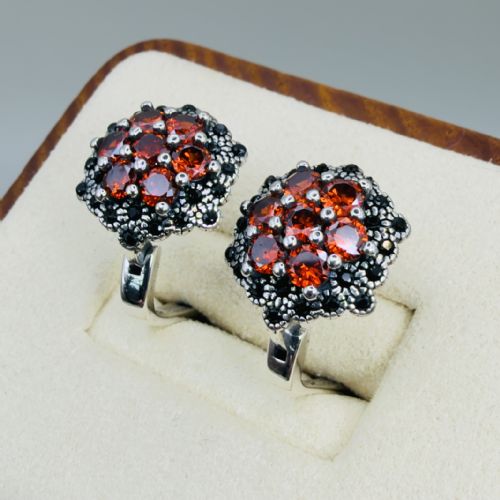
These pieces utilise precious metals such as platinum, sterling silver, and various karats of white, yellow, and rose gold to set stones including diamonds, pearls, garnets, and sapphires.
How they were made
Goldsmiths set diamonds, garnets, pearls, and sapphires into platinum, silver, and gold using claw, bezel, and halo arrangements to form distinct floral or geometric clusters.
Makers incorporated hinged backs, screwbacks, and specialised clip mechanisms into the reverse of the frames to secure the weight of the gemstones against the earlobe.
Cluster Clip Earrings Retail Price Guide 2026
Typical asking prices for cluster clip earrings among the pieces listed under this phrase on Sellingantiques today, from the lower quarter to the upper quarter. They describe what is for sale here now, not the wider market.
Listings feature cluster clip earrings across Victorian, Edwardian, Art Deco, Retro, and Mid-Century periods, set in platinum, gold, and silver.
What varies in quality
The distinction between tiers rests on the proportion and match of the central stones relative to the surrounding halo, alongside the precision of the metalwork in the cluster setting.
The reliability and snugness of the mechanical clip or screwback mechanism dictate how securely the pair sits, while older conversions often show alterations at the hinge point.
The Cluster Clip Earrings Glossary
- Cluster
- A setting style where a central gemstone is surrounded by a tight ring of smaller stones. This arrangement maximises the visual impact and sparkle of the overall piece.
- Clip-on
- An earring fastening that uses a hinged tension lever to grip the earlobe without a post. This mechanism gained wide popularity during the mid-century period.
- Halo
- A concentric ring of small gemstones set around a larger primary stone. It enhances the perceived size and brilliance of the central gem.
- Screwback
- A fastening that uses a threaded post and a small screw mechanism to adjust the pressure on the earlobe. It allows the wearer to control the tightness of the fit.
Cluster Clip Earrings: Frequently Asked Questions
Are these comfortable for all day wear?
The comfort of cluster clip earrings depends heavily on the design of the tension mechanism and the overall weight of the stones. Pairs with broad clips distribute pressure more evenly across the earlobe than smaller screwback versions.
Worn correctly, a well-adjusted clip remains secure for hours without pinching. Adjusting the tension before putting them on prevents unnecessary pressure.
How do I know if they are Victorian?
Victorian examples often feature closed-back settings, natural pearls, or deep red garnets mounted in silver-gilt or low-karat gold. The overall motifs lean toward floral clusters and sunbursts characteristic of the nineteenth century.
Construction methods also provide clues, as hand-cut stones and heavier bezels appear frequently in pieces from this period. Examining the reverse reveals the hand-finished metalwork typical of the era.
Can non-pierced ears wear these safely?
These pieces were specifically designed for earlobes without piercings, utilising hinged clips or adjustable screwbacks to hold the weight in place. They offer a secure alternative for anyone who does not wear pierced styles.
Checking the tension of the hinge ensures the earrings stay firmly positioned during movement. Soft silicone pads can also be added to older clips for extra cushioning.
What is a mid-century cluster design?
Mid-century cluster designs often feature clean geometric lines, stylized floral shapes, and bright white metals like 18ct white gold or platinum. The stone layouts prioritize bold visual symmetry and brilliant-cut diamond clusters.
These pieces reflect the transition toward modern aesthetics in the 1950s and 1960s. They frequently incorporate larger central stones surrounded by graduated melee diamonds.