



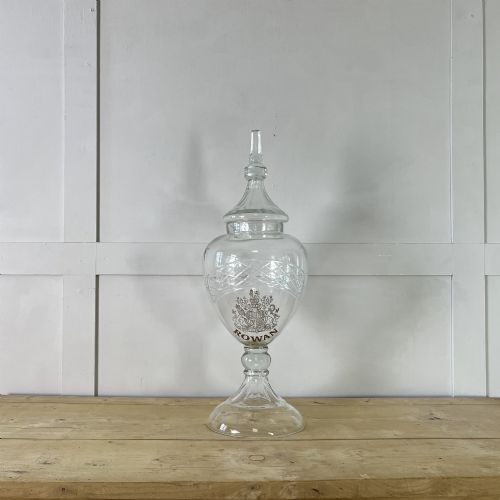


Clear Glass Globe
These clear glass globe pieces bring straightforward, transparent utility and display, offering clean light and protective form.
Clear Glass Globe
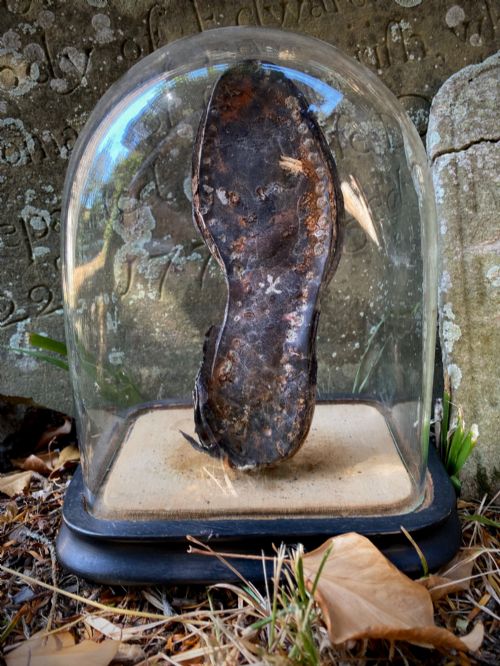
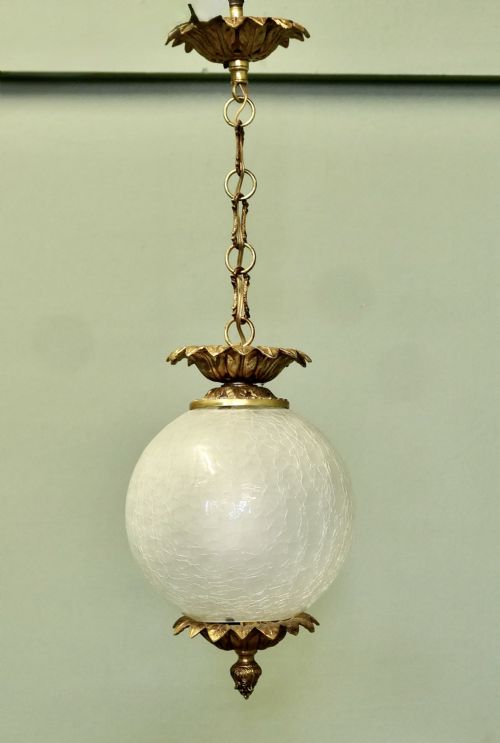
A clear glass globe encompasses items shaped as spheres or domes, spanning lighting shades, display cloches, and decorative vessels.
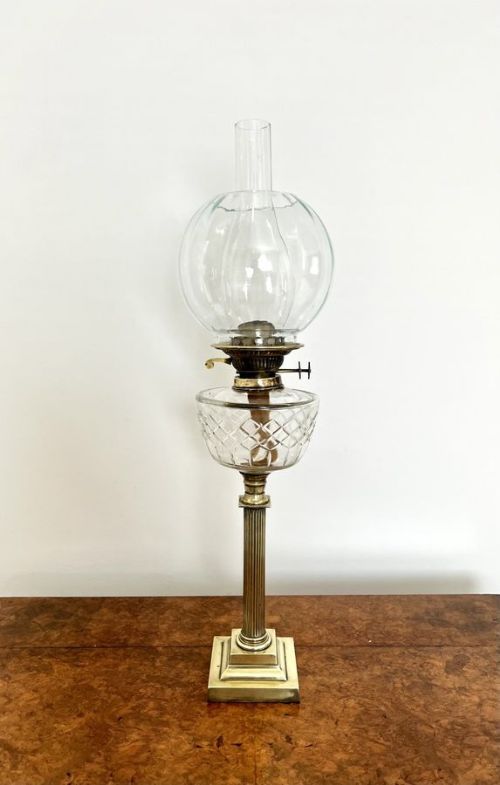
The versions most commonly met on this page include Victorian and Edwardian oil lamps, display domes, and apothecary jars.
Originating largely from the nineteenth and early twentieth centuries, these objects combine practical containment with bright reflection.
How they were made
Makers shaped glass through blowing and cutting techniques, often mounting the results in brass, sterling silver, or ebonised wood.
Lighting fixtures and decanters utilise clear glass alongside specialised fittings like prismatic shades and engraved shafts.
Clear Glass Globe Retail Price Guide 2026
Typical asking prices for clear glass globe among the pieces listed under this phrase on Sellingantiques today, from the lower quarter to the upper quarter. They describe what is for sale here now, not the wider market.
Listings span the eighteenth, nineteenth, and twentieth centuries, incorporating materials like crackle glass, brass, and ebonised wood.
What varies in quality
Quality rests in the weight of the glass, the crispness of any cut patterns, and the sturdiness of mounts in brass or silver.
Proportion and clarity separate standard utility items from finer examples with specialised engraving or maker attributions.
Hinks of Birmingham·Messengers·Harrods
The Clear Glass Globe Glossary
- Cloche
- A bell-shaped glass cover used to protect display objects or plants. These sit on circular bases of wood or ceramic.
- Carboy
- A large spherical glass container often used for chemicals or liquids. Early examples show distinct bubbles and variation in the glass.
- Prismatic
- A glass surface moulded with tiny ribs to refract light efficiently. These appear frequently on industrial and decorative pendant lights.
- Match striker
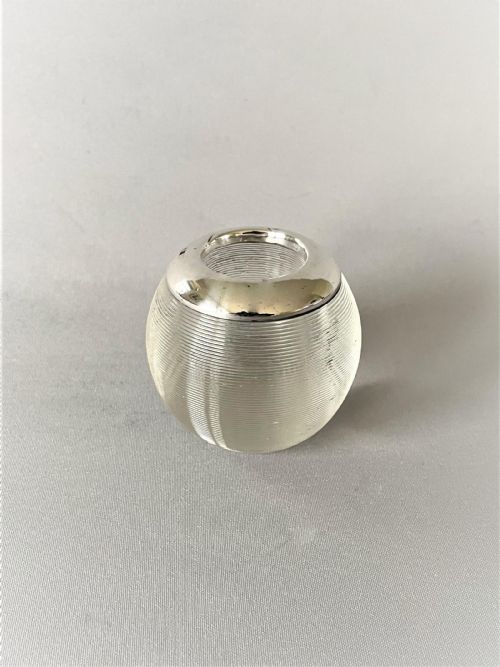
- A small heavy glass vessel with a textured surface for igniting matches. They frequently feature silver or brass collars.
Clear Glass Globe: Frequently Asked Questions
How do I clean a display dome?
Use a soft dry cloth to remove dust from the exterior glass surface. Avoid harsh chemical cleaners that might damage antique wooden bases.
Lift the dome carefully using both hands, supporting the base rather than the glass top itself. Take extra care around older glass edges to prevent chipping.
What were apothecary jars used for?
Apothecary jars and carboys held medicines, herbs, and chemical preparations in pharmacies and dispensaries. Their clear glass allowed contents to be identified at a glance.
Larger versions often stood in shop windows to advertise the trade. Today, they serve primarily as decorative display vessels.
Can pendant lights take modern bulbs?
Most antique pendant light fixtures require rewiring by a qualified electrician to meet current safety standards. They generally accommodate standard modern lamp fittings once updated.
Check the internal fitter size of the glass globe before sourcing a replacement bulb. Proper installation ensures the shade hangs securely.
How do I date a glass decanter?
Examine the base for pontil marks, which indicate hand-blown production methods used before mass manufacturing. The shape of the neck and the thickness of the glass also point to specific periods.
Engraved details and silver mounts often carry hallmarks that provide precise dates. Compare the stopper style to the main body to check for originality.