





Classical Wooden Lamp
A classical wooden lamp brings warmth and architectural presence to a room, using carved form and gilded detail to anchor an interior scheme.
Classical Wooden Lamp
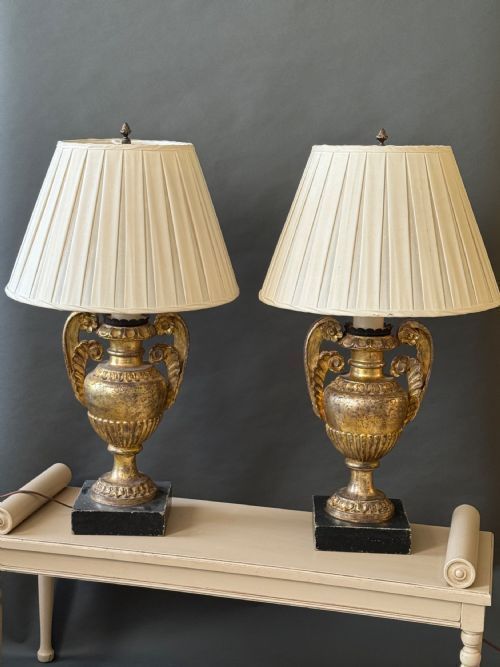
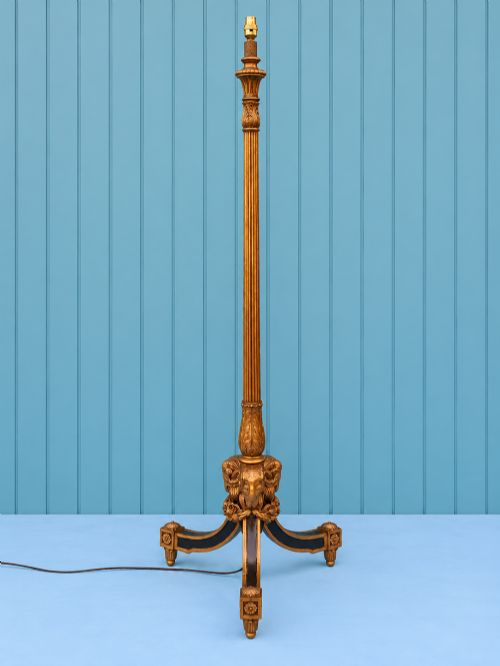
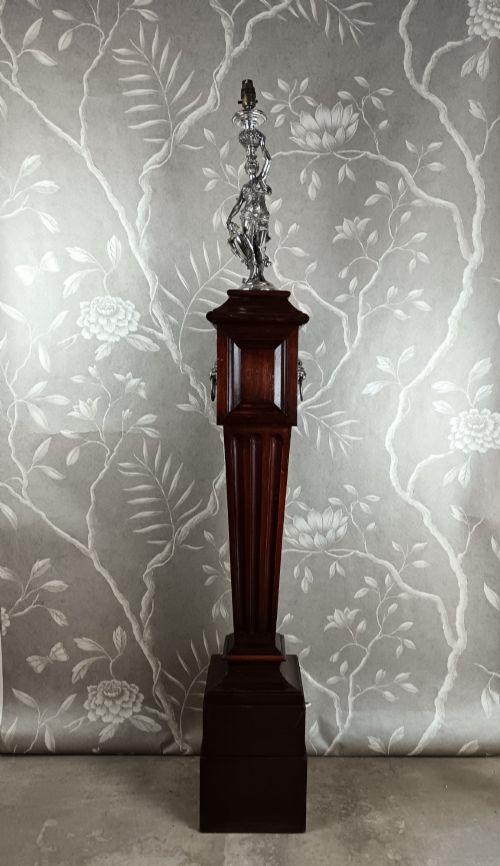
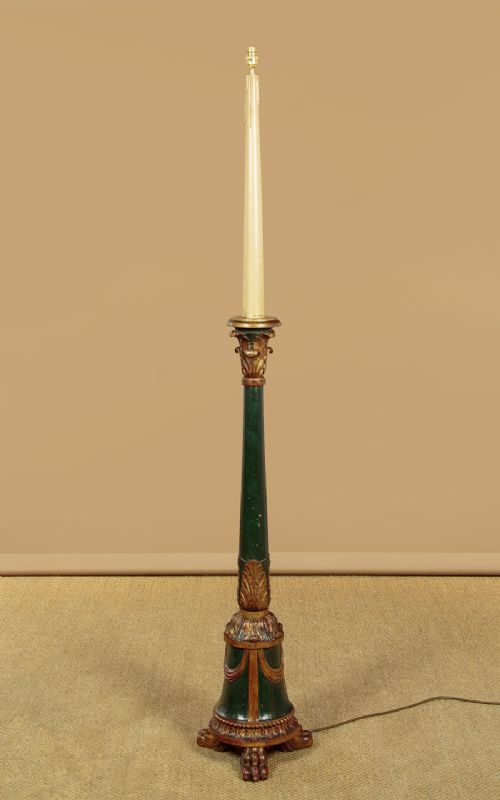
When you search for a classical wooden lamp, you encounter pieces designed to provide layered illumination through timber construction and historic forms. The versions most commonly met on this page include table lamps and standard lamps shaped from oak, walnut, maple, and timber gilt.
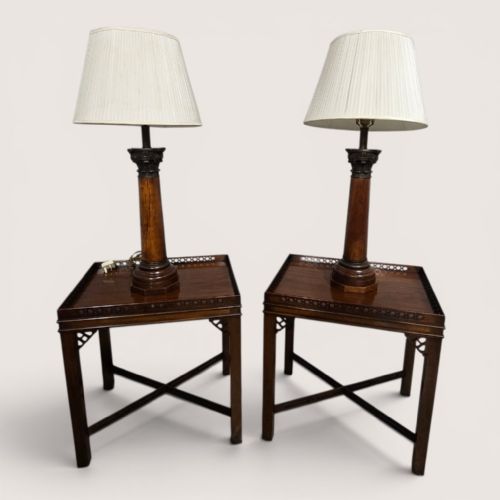
The selection spans several periods, ranging from the seventeenth century and the Regency era to Victorian designs, the nineteenth century, and the nineteen-twenties and nineteen-thirties. Origins include French, American, and continental workshops, incorporating architectural motifs such as Corinthian columns and caryatids.
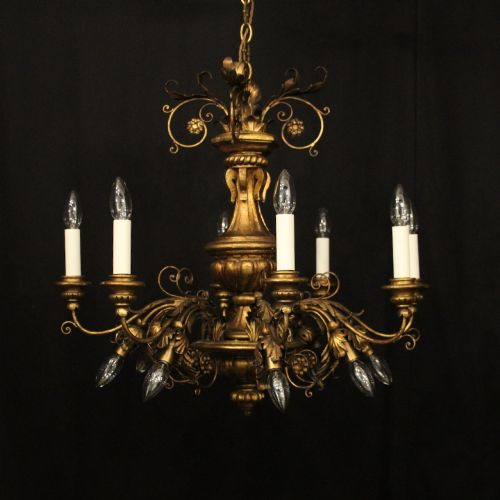
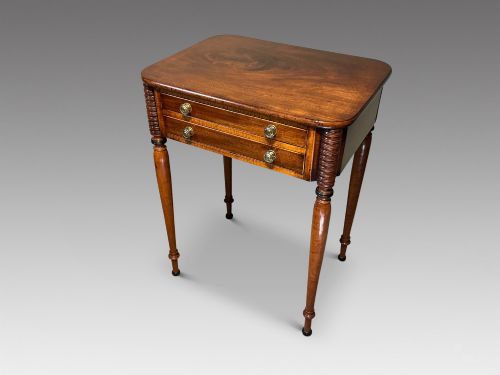
Beyond standard lighting, the listings encompass related items like carved pedestal torcheres, occasional tables, and chandeliers that share the same material vocabulary. These objects combine functional illumination with substantial decorative presence, drawing on neoclassical and revivalist design traditions.
How they were made
Makers shaped these items from solid woods including oak, walnut, maple, and general carved wood, often applying layers of gilt, parcel gilt, or paint to the timber surface. The structural joinery relies on traditional woodworking techniques suited to heavy standard lamps and pedestals.
Surface ornamentation frequently incorporates brass elements, silver-plated figural statues, and fabric components alongside carved wooden details. Gilding and parcel gilt techniques highlight the architectural carving, contrasting the warm grain of the wood with metallic highlights.
Classical Wooden Lamp Retail Price Guide 2026
Typical asking prices for classical wooden lamp among the pieces listed under this phrase on Sellingantiques today, from the lower quarter to the upper quarter. They describe what is for sale here now, not the wider market.
Listings feature wood, oak, walnut, and maple alongside giltwood and brass finishes across multiple centuries.
What varies in quality
The standard of a piece rests upon the depth and precision of the wood carving, distinguishing robust hand-carved elements from simpler turned timber. Finer examples display crisply defined architectural details such as Corinthian capitals or figural statues.
The integrity of the surface finish also defines the grade of an object, whether through the preservation of original parcel gilt, the quality of the timber grain in oak and walnut, or the integration of metal mounts like silver-plated elements.
WMF
The Classical Wooden Lamp Glossary
- Giltwood
- Wood that has been coated with a thin layer of gold leaf or gilt. This finish creates a reflective surface that catches the light in a room.
- Torchere
- A tall ornamental stand or floor lamp designed to hold a light source. These pieces often feature carved figures or classical columns.
- Parcel Gilt
- A decorative treatment where only specific parts of an object are gilded, leaving the underlying wood grain visible elsewhere.
- Caryatid
- A sculpted female figure serving as an architectural support in place of a column or pillar. They frequently appear on classical wooden lamps and pedestals.
- Standard Lamp
- A heavy floor-standing lamp designed to provide ambient illumination. These objects often incorporate turned timber shafts and substantial bases.
Classical Wooden Lamp: Frequently Asked Questions
What is a classical wooden lamp?
A classical wooden lamp is a lighting fixture constructed primarily from timber, often featuring carved ornamentation inspired by historical architectural styles.
These pieces range from table lamps to tall floor-standing standards incorporating wood, gilt, and brass.
How do I style a standard lamp?
A standard lamp works well placed beside seating areas or in corners where it can cast soft, ambient light across a room.
Its height and architectural form allow it to function as a sculptural element even when unlit.
How are different periods told apart?
Periods are distinguished by the specific carving styles, wood choices, and decorative treatments present on the body of the lamp.
Earlier pieces often show seventeenth or eighteenth-century structural forms, while nineteen-thirties examples exhibit smoother painted or gilded standard silhouettes.
What materials are used in these lamps?
The primary material is wood, encompassing oak, walnut, maple, and general carved timber alongside giltwood surfaces.
Additional elements include brass, fabric shades, silver-plated metal figures, and marble or bronze ornamentation on related tables.