







Classical Pier Table
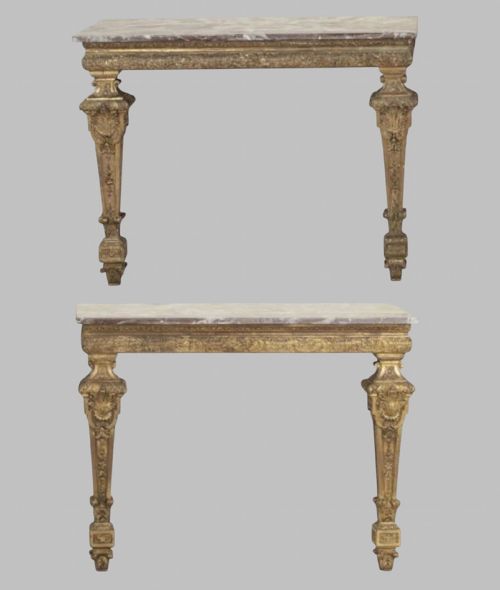
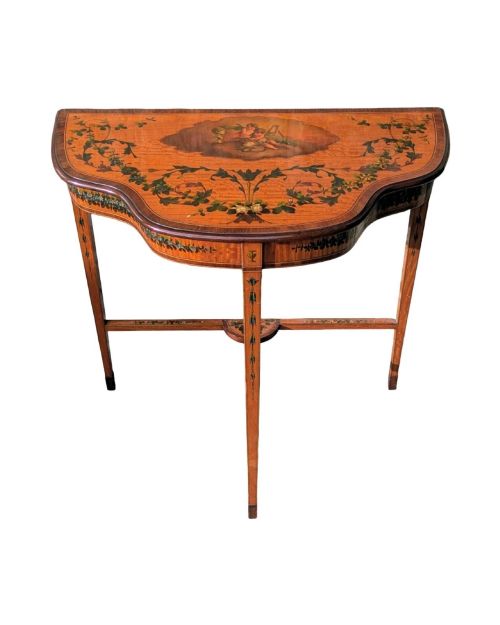
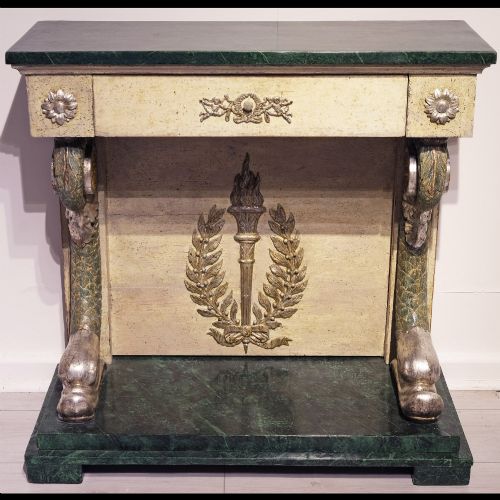
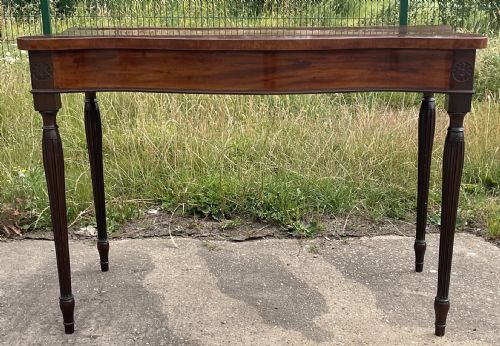
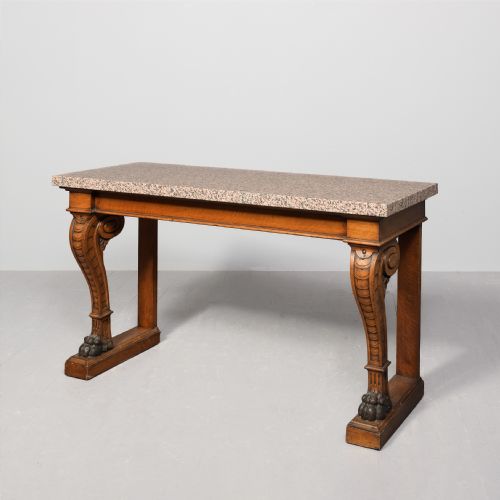
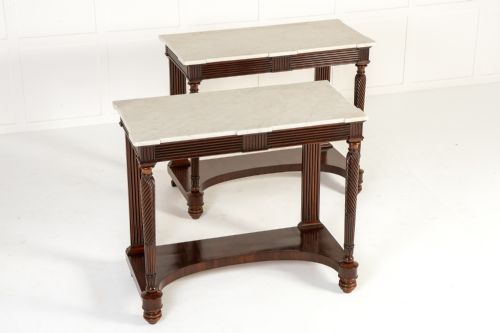
A classical pier table stands against the wall as a commanding focal point, defined by marble tops and refined neoclassical lines.
Classical Pier Table
A classical pier table serves as a monumental console or side piece designed specifically to occupy the architectural wall space between windows. These furnishings combine heavy timber construction with stone surfaces, appearing across nineteenth-century and eighteenth-century periods.
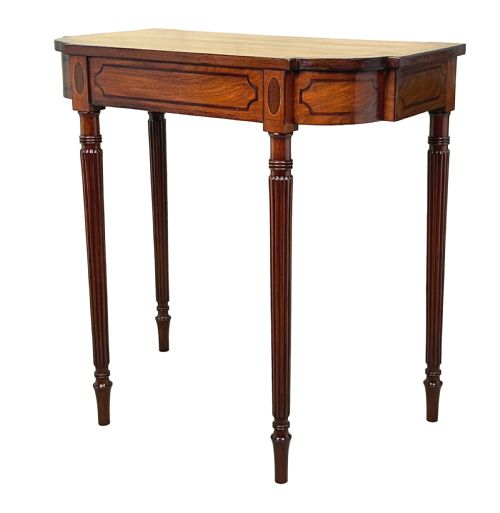
The versions most commonly met on this page span French Empire, Regency, and Italian neoclassical styles. Such examples feature rectilinear or serpentine formats, frequently incorporating painted finishes, giltwood carvings, or rich flame mahogany veneers.
Builders structured these tables to anchor formal reception rooms and hallways alike. Their profiles range from austere Gustavian forms to heavily ornamented French designs complete with mirrors or architectural columns.
Materials and Construction
Cabinetmakers built the primary carcases using solid timbers such as mahogany, oak, pine, and walnut, frequently applying flame mahogany veneer to create dynamic surface patterns. Structural supports often incorporate carved gesso and giltwood or hand-painted polychrome decoration.
Heavier stone surfaces, including polished marble and granite, form the distinctive tops of these console pieces. Workshops additionally utilised brass mounts and faux porphyry finishes to emulate classical antiquity.
Classical Pier Table Retail Price Guide 2026
Typical asking prices for classical pier table among the pieces listed under this phrase on Sellingantiques today, from the lower quarter to the upper quarter. They describe what is for sale here now, not the wider market.
Listings feature eighteenth-century and nineteenth-century periods, alongside regional interpretations spanning Gustavian, French Empire, and Italian neoclassical aesthetics.
Distinctions in Execution
The sophistication of the carved ornament separates basic utilitarian pieces from high-end commissions. Master carvers rendered giltwood foliage and architectural details with sharp, deep undercut relief rather than soft, flat moulding.
The selection of the stone top dictates a significant tier in grade. Dense, richly veined marble or specialist materials like faux porphyry elevate the stature of an individual console above standard timber surfaces.
Alexander McKenzie of Glasgow·Freeman
The Classical Pier Table Glossary
- Pier table
- A side table designed to stand against the wall between two windows, frequently positioned beneath a mirror. These items form the core of this search category.
- Console table
- A table supported by wall brackets or front legs, functioning as a decorative wall-mounted furniture piece. They share identical forms with traditional pier tables.
- Giltwood
- Timber coated with fine gold leaf applied over a prepared gesso ground. This finish appears frequently on ornate nineteenth-century frames and tables.
- Flame mahogany veneer
- Thin slices of timber cut from the branching joints of mahogany trees to produce a flamy, figured grain pattern. Cabinetmakers laid these veneers across primary display surfaces.
- Neoclassical
- A style spanning the late eighteenth and nineteenth centuries drawing direct inspiration from classical Greek and Roman architecture. It prioritises symmetry, straight lines, and classical motifs.
Classical Pier Table: Frequently Asked Questions
What is a pier table used for?
These tables provide a decorative surface in entrance halls and formal reception rooms. Owners historically placed them directly beneath wall mirrors between windows to reflect light.
Today, they serve equally well as striking console displays for lamps, ceramics, and decorative objects.
How do I identify a Regency period table?
Regency pieces often display dark mahogany timbers paired with classical brass mounts and architectural supports. The overall aesthetic borrows heavily from Roman and Greek design principles.
Look for crisp carving, symmetry, and structural elements reflecting early nineteenth-century taste.
Are marble tops original to these tables?
The majority of classical console and pier tables were manufactured specifically to carry heavy stone surfaces. Polished marble and granite slabs suited the formal weight of the reception rooms they inhabited.
Matching the thickness and edge profile of the stone to the period of the wooden base helps confirm authenticity.
Where should I place a console table?
These tables suit long hallways, entrance foyers, and living room walls where floor space is relatively shallow. Because their backs often remain unfinished or plain, they require direct placement against a wall.
Pairing them with a matching wall mirror replicates their traditional architectural function.