


Classical Chandelier
A classical chandelier brings grandeur overhead, cast in bronze, brass and crystal to command a room with historic light.
Classical Chandelier
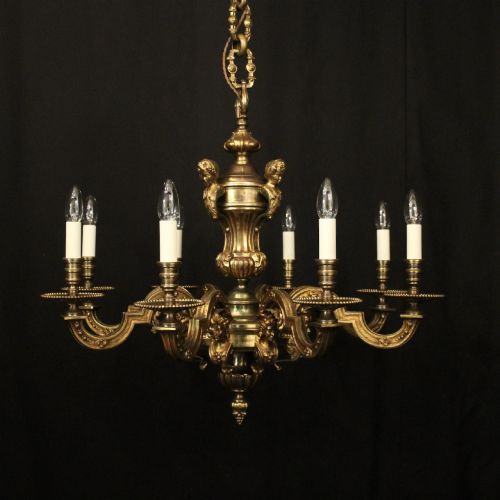
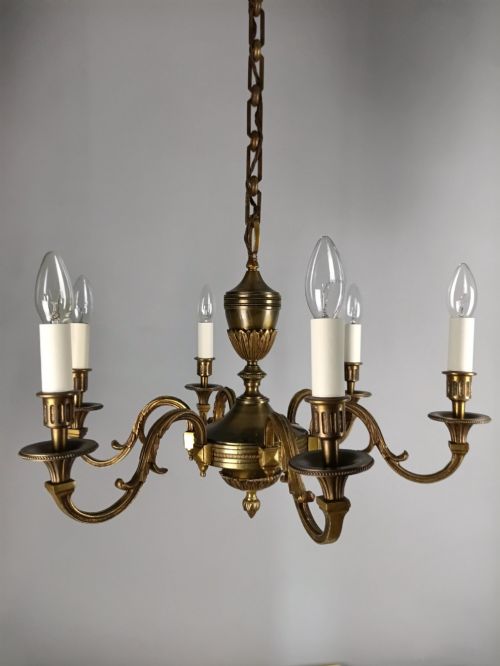
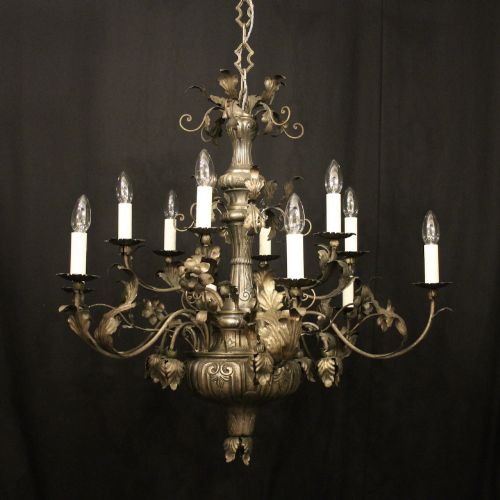
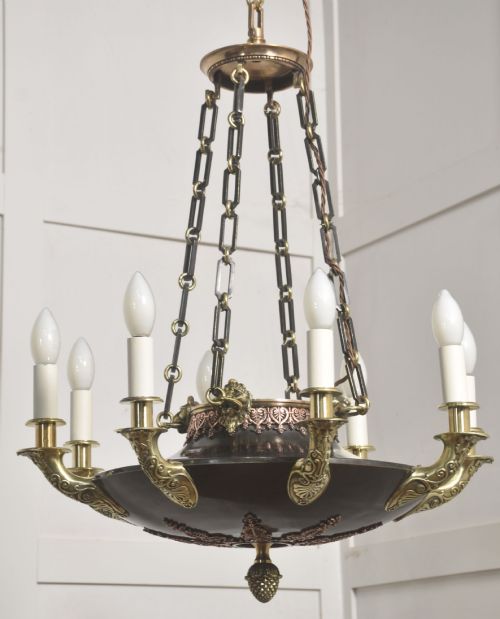
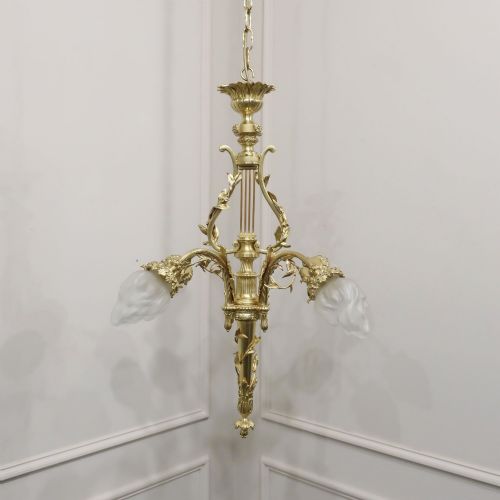
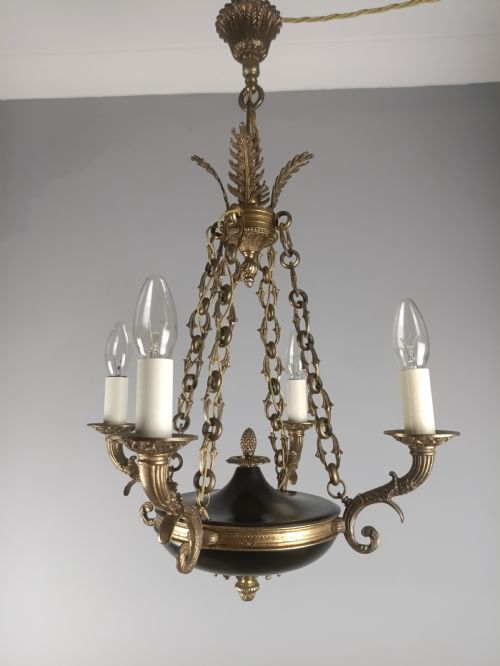
A classical chandelier is an overhead lighting fixture designed to illuminate large spaces with multiple candle or bulb branches arranged in formal symmetry. These pieces draw on historical architectural motifs, often taking the form of tiered branches or illuminated bowls suspended from ceilings.
Buyers browsing this selection will most frequently encounter French chandeliers originating from the nineteenth and early twentieth centuries. These fixtures typically feature detailed metalwork paired with glass or crystal drops, reflecting classical design revivals popular across European workshops.
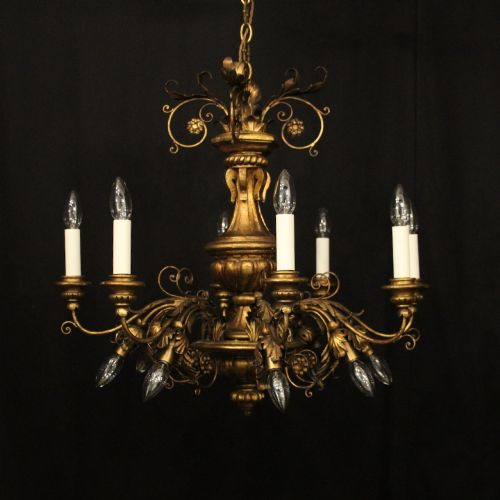
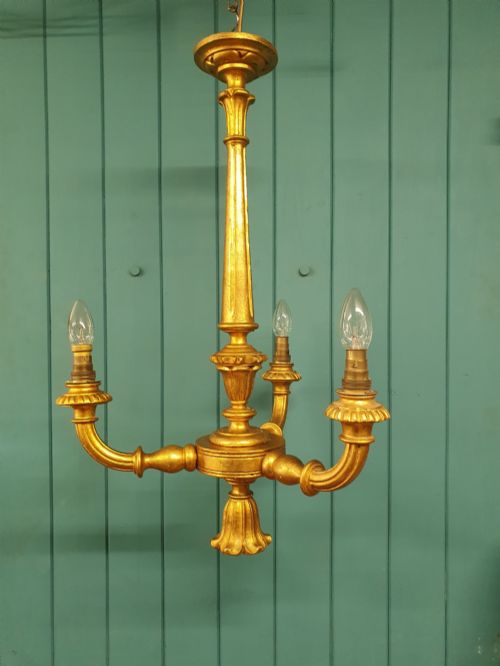
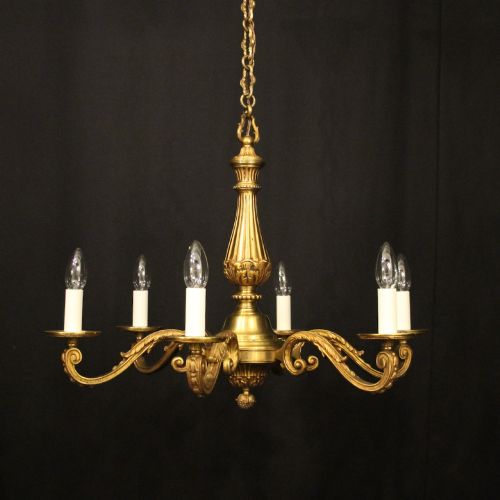
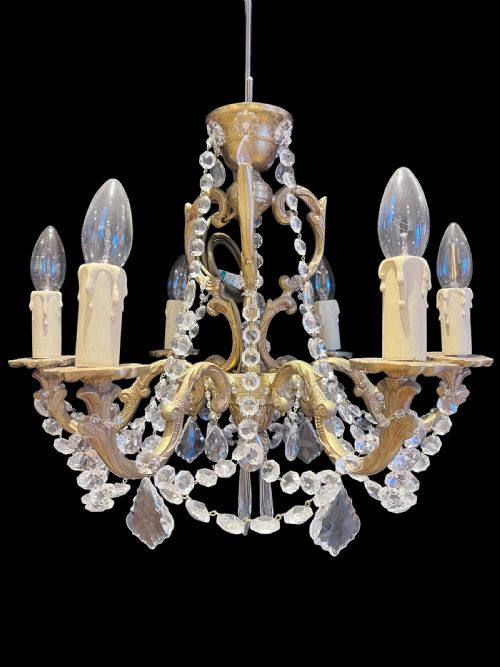
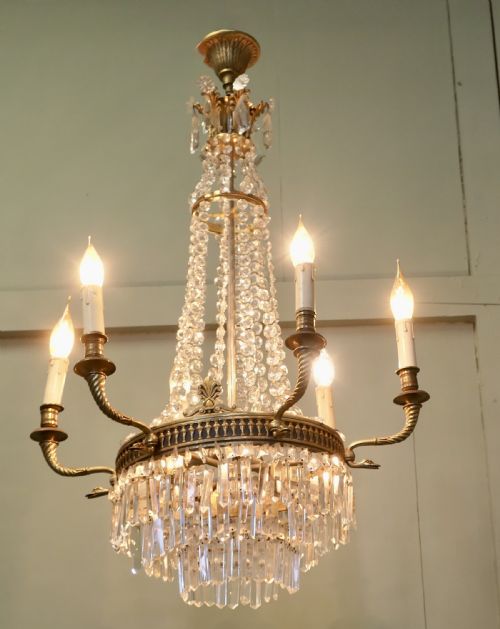
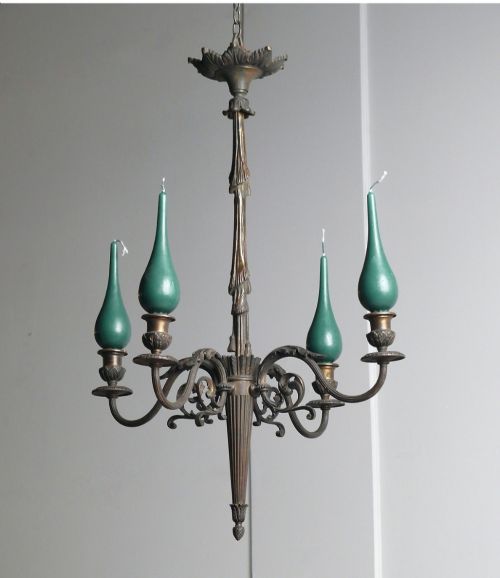
The inventory ranges from multi-armed bronze fixtures to delicate tent and waterfall designs hung with crystal prisms. Regional variations also appear, including Italian giltwood structures and English alabaster dish lights.
How they were made
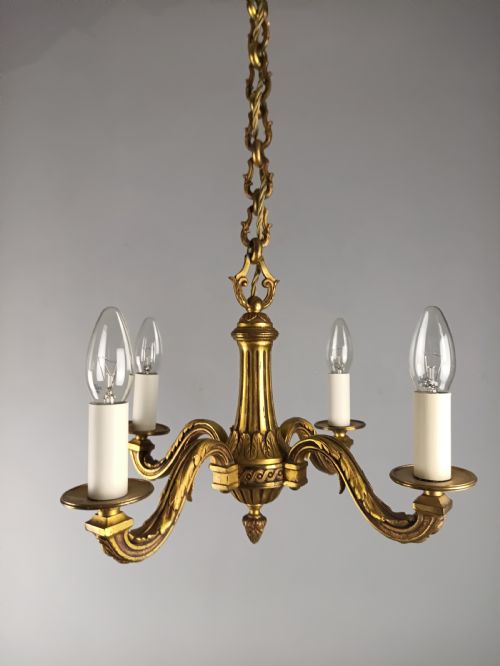
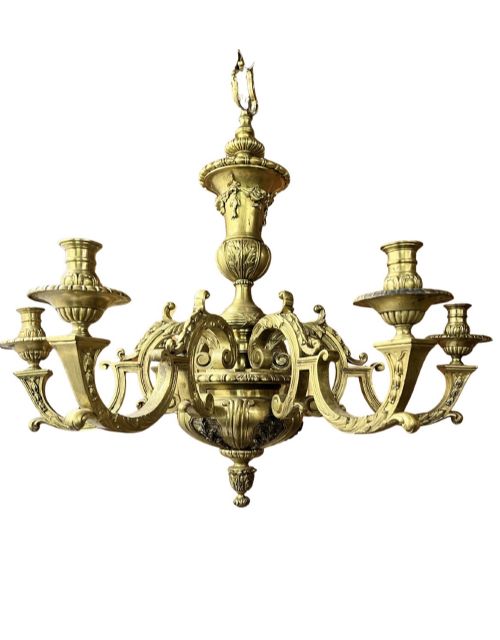
These fixtures rely heavily on metal casting, utilising bronze, brass and copper to form the structural arms and central columns. Artisans shaped these metals through casting and hand-finishing, applying gilding or patination to achieve a rich surface finish.
Crystal and glass elements are integrated into many pieces, cut and polished to refract light across the room. Giltwood and carved wood components also appear, shaped by hand before receiving gold leaf application.
Classical Chandelier Retail Price Guide 2026
Typical asking prices for classical chandelier among the pieces listed under this phrase on Sellingantiques today, from the lower quarter to the upper quarter. They describe what is for sale here now, not the wider market.
Listings span periods from the nineteenth century through the 1930s, showcasing brass, bronze, crystal and giltwood.
What varies in quality
The distinction between tiers of quality rests largely on the depth of hand-chasing in the bronze or ormolu mounts and the clarity of the cut crystal drops. Finer examples display crisp, sharply defined casting details and substantial metal weight rather than shallow stamping or lightweight alloys.
The complexity of the structural design further separates standard production from exceptional work, particularly in multi-tiered arrangements or intricate giltwood carving. Original surface treatments, such as genuine fire gilding or period silver gilding, elevate the integrity of the piece compared to later refinishing.
The Classical Chandelier Glossary
- Ormolu
- Gilded bronze, where a layer of gold amalgam is applied to a bronze base through heat processing. This technique creates a durable, luminous golden finish characteristic of fine antique metalwork.
- Tent and waterfall
- A specific chandelier configuration where strings of crystal beads form a tent shape from the ceiling ring down to a wider lower tier, resembling a cascading waterfall of glass.
- Giltwood
- Timber that has been coated with a thin layer of gold leaf. It is frequently found on Italian and French decorative frames and lighting fixtures from the nineteenth century.
- Alabaster
- A fine-grained, translucent stone used for carved dish ceiling lights. When illuminated, the stone diffuses a soft, even glow across the interior.
- Hall lantern
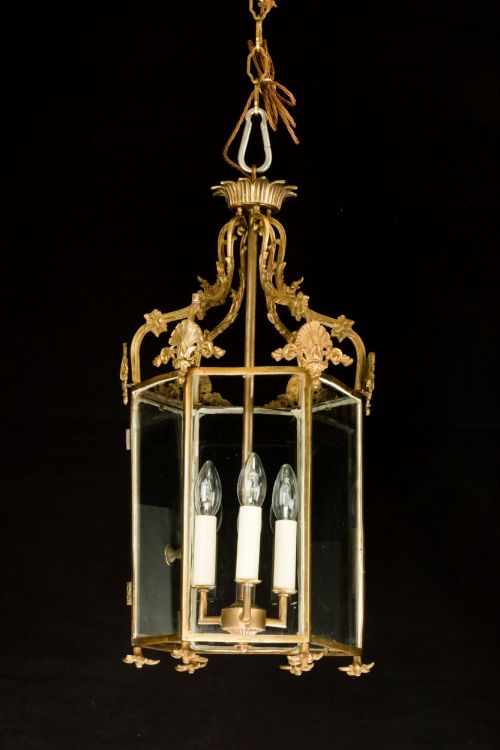
- An enclosed ceiling-hanging light designed for corridors and entranceways. These pieces often feature glazed panels held within a gilded or brass frame.
Classical Chandelier: Frequently Asked Questions
How do I hang a heavy antique chandelier?
Hanging a heavy antique chandelier requires securing a direct ceiling fixture into structural timber rather than relying solely on standard plasterboard. Professional installation ensures the weight of the bronze or cast metal is safely supported.
Electrical wiring must also be assessed and adapted to meet modern safety standards while preserving the original internal structure of the piece.
Are these chandeliers wired for modern electricity?
Most antique fixtures listed have been adapted for contemporary electrical use over time. Wiring methods can vary depending on when the conversion took place.
Buyers should inspect the bulb fittings and internal channels to determine if rewiring is necessary to suit current household electrical systems.
How do I clean crystal drops safely?
Cleaning crystal elements involves removing the glass drops individually or wiping them in place with a mild solution of warm water and gentle soap. Drying each piece with a lint-free cloth restores maximum brilliance to the cut facets.
Harsh chemical cleaners should be avoided to protect the surrounding metalwork, especially gilt bronze and ormolu finishes.
How do I identify a nineteenth-century French chandelier?
Nineteenth-century French chandeliers typically exhibit distinct stylistic markers such as Neoclassical symmetry, Empire revival motifs, or Rococo scrolls. The weight of the cast bronze and the hand-chased details offer strong visual indicators of the period.
Materials like hand-cut crystal prisms and mercury gilt bronze further point towards nineteenth-century European manufacturing standards.