


Classical Chandelier Lighting
Classical chandelier lighting brings grand illumination into a room through heavy metals and cut crystals.
Classical Chandelier Lighting
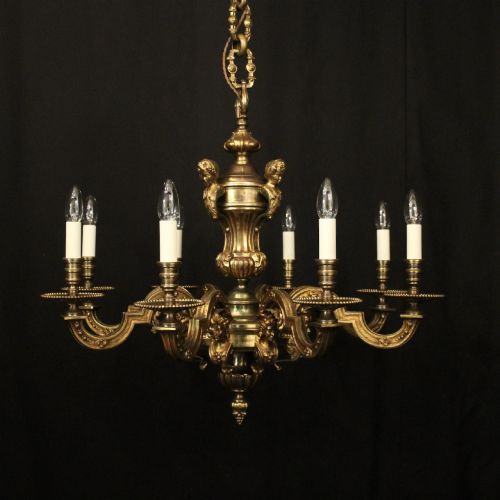
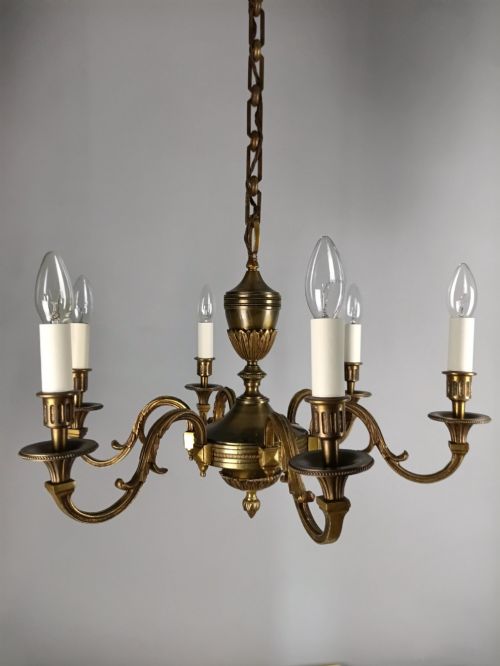
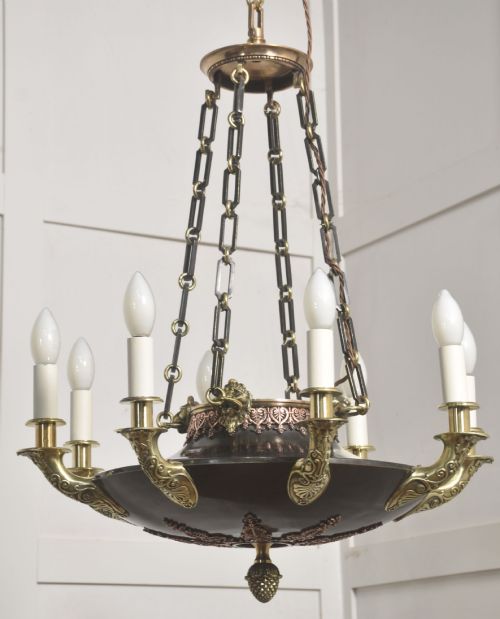
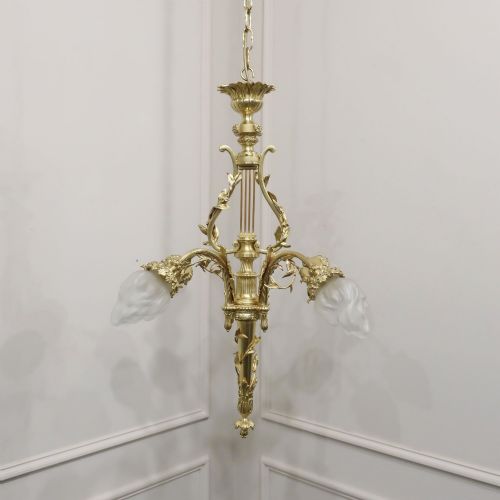
When you search for classical chandelier lighting, you encounter ceiling fixtures shaped by French Neoclassical, Empire, and Baroque designs. These pieces range from multi-tiered brass and bronze frames to intricate crystal and glass arrangements.
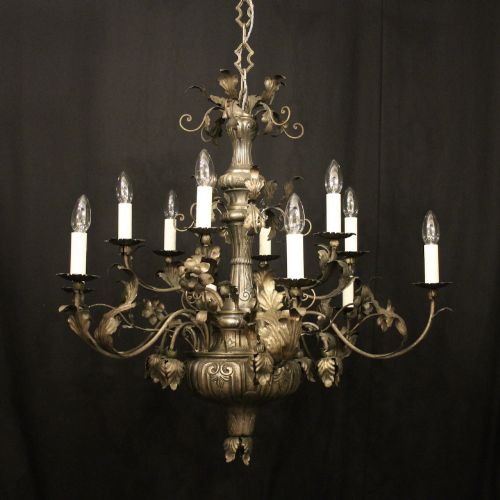
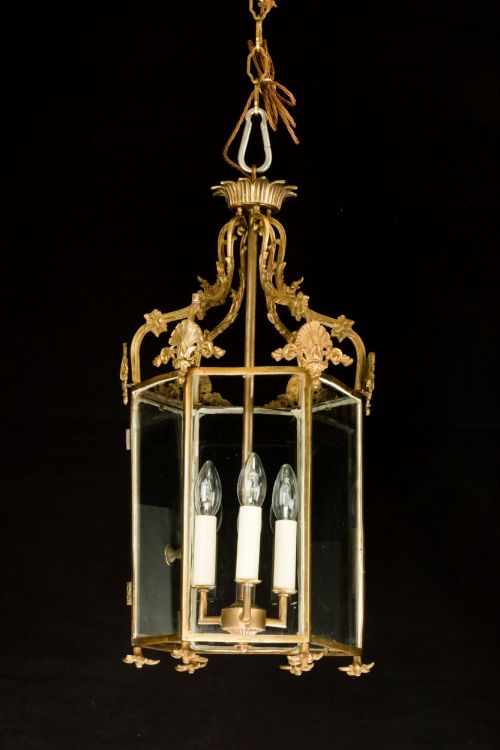
The most common examples on this page are French and Italian fixtures originating from the nineteenth and early twentieth centuries. You will find items spanning simple hall lanterns and convex lights up to large twelve-light branched chandeliers.
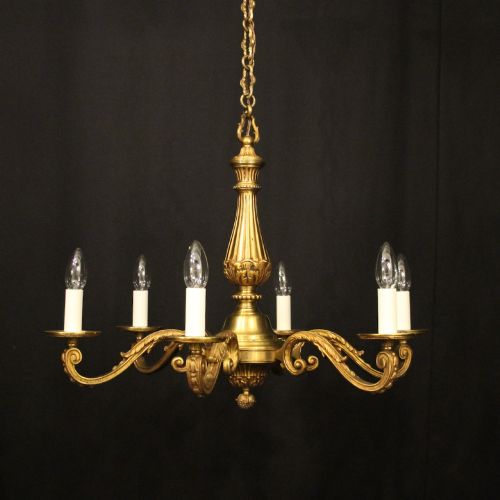
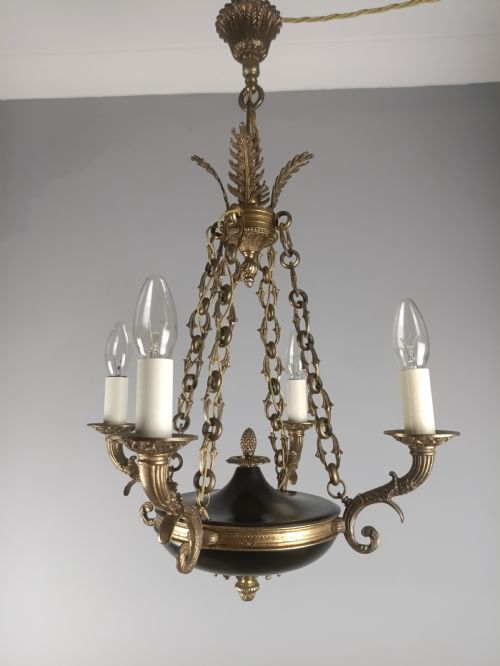
Makers and designers drew upon historical architectural motifs, producing fixtures with cast bronze arms, alabaster bowls, and tent-and-waterfall crystal configurations. Each piece reflects the decorative taste of its specific period, from Edwardian brass work to elaborate Rococo revival details.
Materials and Construction Methods
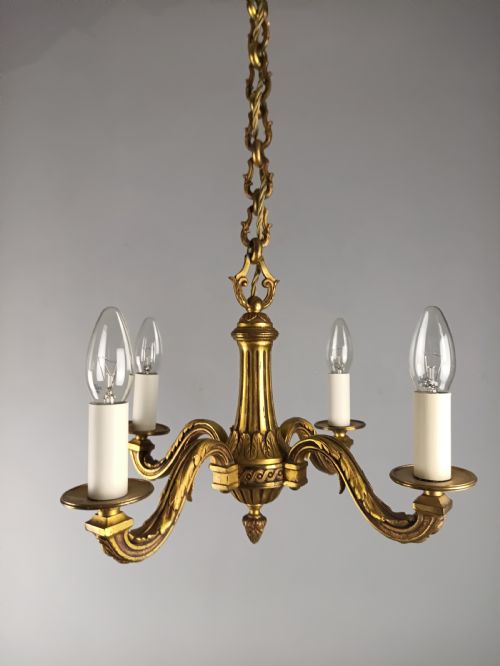
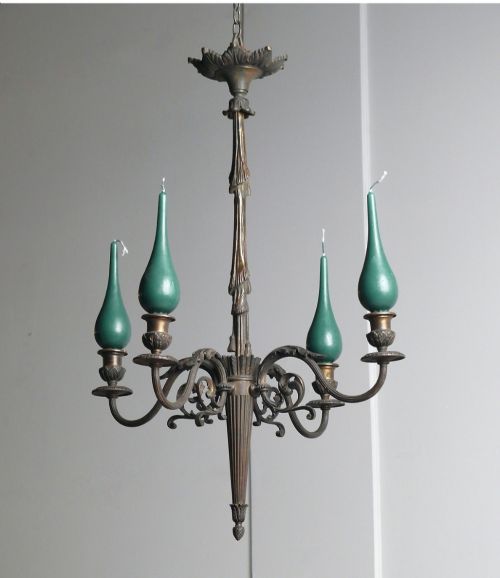
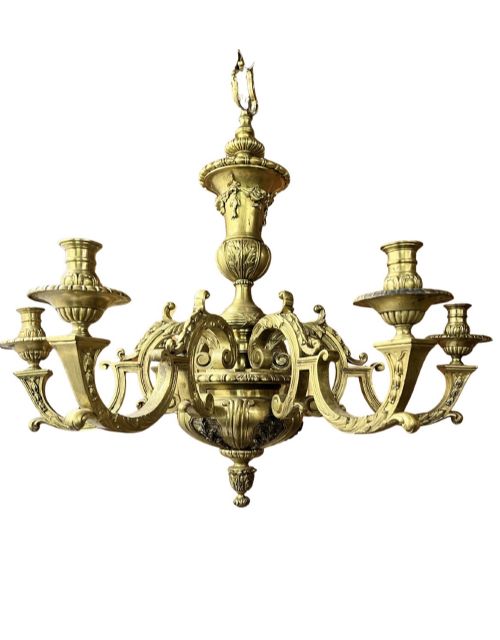
These fixtures rely heavily on cast metals, specifically brass, bronze, and copper, often finished with gilding or silver plating. Artisans shaped these metals into complex frames, branches, and lanterns designed to support the weight of numerous candle arms or lamp points.
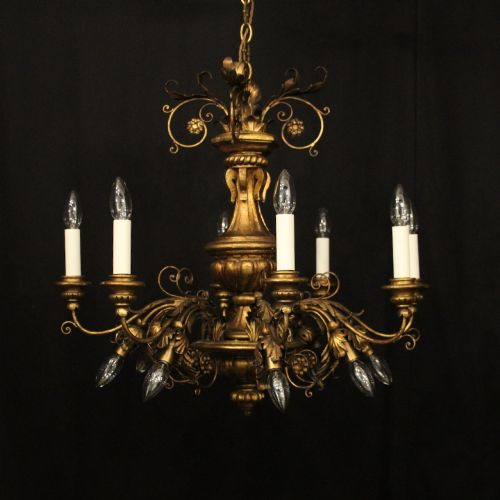
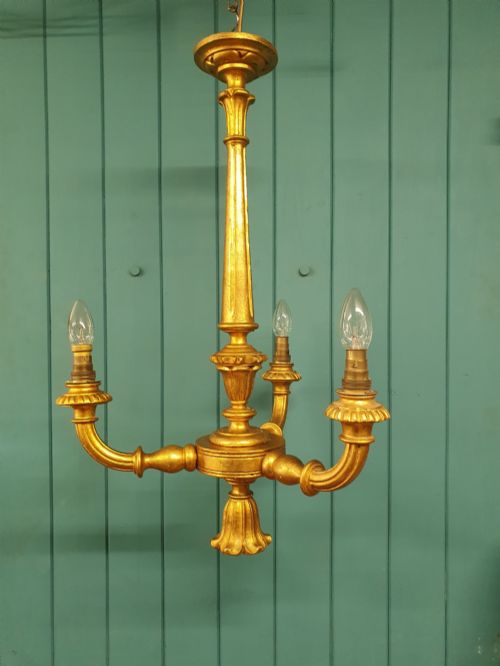
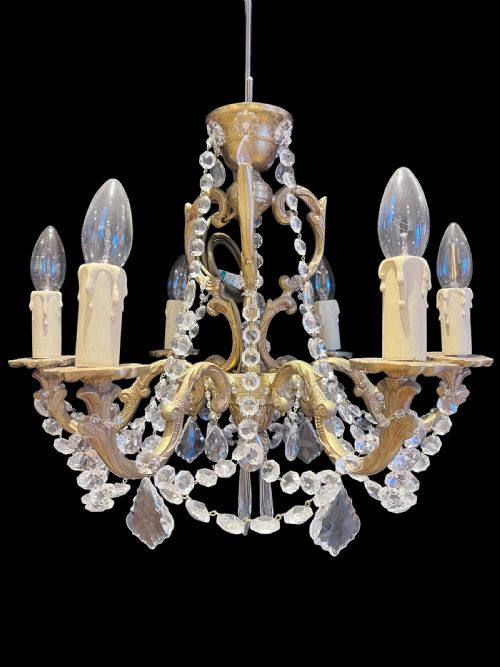
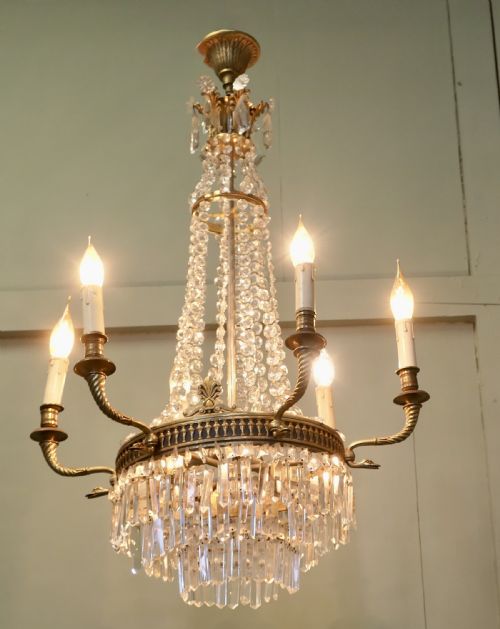
Crystal and glass elements are integrated directly into the metal armature, functioning as pendants, drops, and waterfall configurations to refract light. Carved giltwood and white alabaster also appear as primary structural materials in select ceiling lights.
Techniques combine metal casting, chasing, and gilding with precision glass-cutting. The heavier bronze and ormolu pieces require robust internal framing to support multiple tiers of lights safely from a ceiling mount.
Classical Chandelier Lighting Retail Price Guide 2026
Typical asking prices for classical chandelier lighting among the pieces listed under this phrase on Sellingantiques today, from the lower quarter to the upper quarter. They describe what is for sale here now, not the wider market.
Listings feature pieces spanning the nineteenth century through the 1930s, utilising brass, bronze, gilded bronze, crystal, and white alabaster.
Evaluating Quality and Craftsmanship
The distinction between standard and superior pieces lies in the crispness of the metal casting and the depth of the gilding or ormolu. Finer examples display sharp, hand-chased details across the bronze arms and foliage rather than soft, mass-produced surfaces.
Crystal quality further separates the range, with top-tier fixtures utilising high-clarity hand-cut glass that catches and disperses light evenly. The structural integrity of the branching and the weight of the bronze armature indicate the original workshop's commitment to durability.
The Classical Chandelier Lighting Glossary
- Ormolu
- Gilded bronze, where a layer of gold is applied to a bronze base using mercury amalgamation or electrochemical techniques. This finish provides a rich, warm metallic sheen seen on fine French fixtures.
- Tent and waterfall
- A chandelier configuration where strings of crystal beads form a tent shape at the top, flowing down into a cascading waterfall of glass drops around the central stem.
- Giltwood
- Wood that has been coated with a thin layer of gold leaf or powder. It offers a lighter structural alternative to solid bronze while maintaining a gilded aesthetic.
- Hall lantern
- An enclosed ceiling light designed specifically for entryways and corridors. These fixtures often feature glazed panels held within a decorated metal or gilded frame.
Classical Chandelier Lighting: Frequently Asked Questions
How do I hang a heavy bronze chandelier?
These heavy cast bronze and crystal fixtures require secure ceiling joist attachment and appropriate load-bearing hardware. Professional installation is essential to support the substantial weight safely.
Ensure that the electrical wiring is updated to current safety standards while preserving the structural integrity of the original metal suspension loop.
What rooms suit a tent and waterfall chandelier?
Tent and waterfall chandeliers provide a strong vertical focal point suitable for rooms with high ceilings. Their tiered crystal construction disperses generous illumination across formal spaces.
Consider the drop length carefully in relation to your ceiling height so the lower tiers remain safely above head height while retaining visual impact.
How do I distinguish Empire style from Baroque?
Empire style lighting draws on classical Roman and Greek motifs, featuring clean lines, symmetry, and symbols like lyres or laurel wreaths. These pieces often incorporate rich ormolu and tent crystal arrangements.
Baroque chandeliers, by contrast, display heavier, more theatrical ornamentation with robust scrollwork, dark patinated bronze, and dense multi-tiered branching.
Can I clean crystal drops at home?
Crystal drops can be gently washed using warm water and a mild detergent solution while attached or carefully removed from the frame. Dry each piece thoroughly with a lint-free cloth to restore its refractive clarity.
Avoid using harsh chemical cleaners on gilded bronze or brass components, as abrasive substances can strip the historic finish from the metal surface.