




Classical Bust on Stand
A classical bust on stand brings sculptural presence and quiet gravity to a room through carved stone, bronze, and classical form.
Classical Bust on Stand
When you search for a classical bust on stand, you encounter sculptural portraits and the matching plinths or columns designed to elevate them.
The pieces on this page span the nineteenth century into the twentieth, encompassing Victorian and Regency interpretations alongside neoclassical revivals.
You will find figures ranging from historical emperors like Napoleon and classical philosophers to mythological subjects, paired with marble, mahogany, or bronze supports.
How they were made
Sculptors carved busts from solid marble or cast them in bronze and plaster, frequently applying paint or patination for depth.
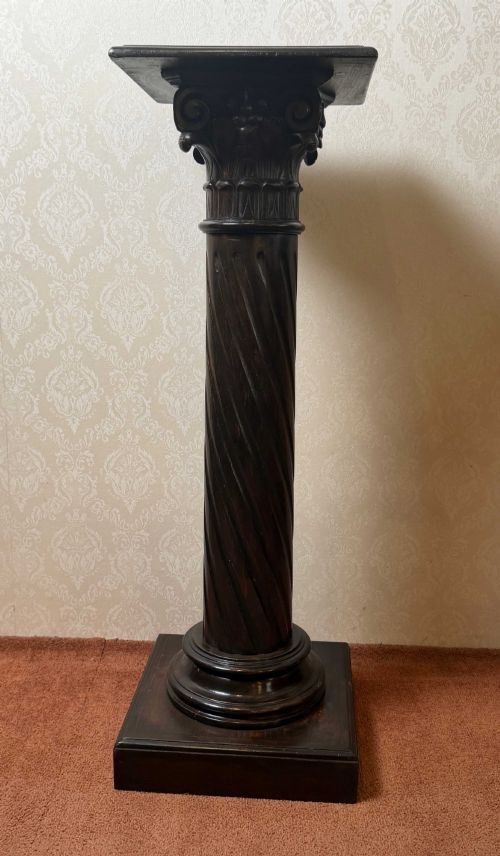
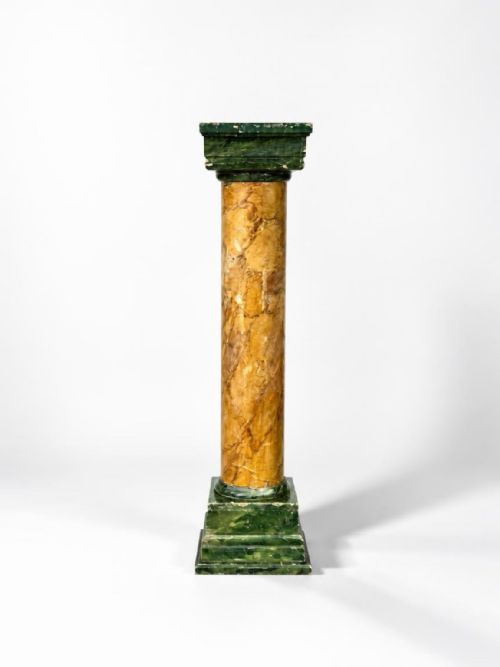
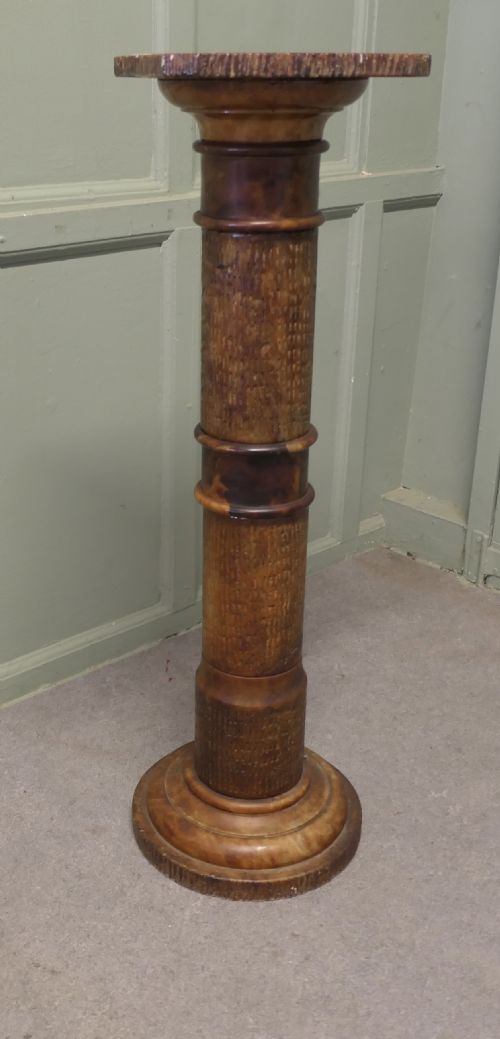
Stands and columns utilise dense hardwoods like mahogany and rosewood, or natural stone such as onyx and scagliola, often finished with gilt bronze and ormolu mounts.
Classical Bust on Stand Retail Price Guide 2026
Typical asking prices for classical bust on stand among the pieces listed under this phrase on Sellingantiques today, from the lower quarter to the upper quarter. They describe what is for sale here now, not the wider market.
Listings combine nineteenth-century mahogany and rosewood pedestals with twentieth-century plaster figures and marble columns.
What varies in quality
Finely turned columns with intact ormolu collars and original faux marble finishes demonstrate greater craftsmanship than plainer secondary timber versions.
The Classical Bust on Stand Glossary
- Ormolu
- Gilded bronze used for decorative mounts and collars on pedestals and stands. It adds a bright metallic contrast to dark timber or stone.
- Scagliola
- A composite material made from glue, plaster, and pigments that mimics natural marble. It allows for smooth, decorative column surfaces.
- Neoclassical
- A style drawing inspiration from the classical art and architecture of ancient Greece and Rome. It dominates the design of these busts and columns.
- Torchere
- A tall stand or pedestal originally designed to hold a light, later used to display sculptures and urns.
- Plinth
- The heavy base supporting a column or bust, providing stability and visual weight to the display.
Classical Bust on Stand: Frequently Asked Questions
Where should I place a classical bust on stand?
These pieces suit corners of hallways, libraries, or living spaces where height and vertical line draw the eye upward.
Ensure the floor is level and stable, particularly when pairing heavy marble busts with tall stone columns.
How do I clean marble and bronze?
Dust bronze and marble gently with a soft, dry cloth to prevent accumulation in carved recesses.
Avoid chemical cleaners or excess water, which can damage patination on bronze or stain porous stone surfaces.
Are the busts and stands sold together?
Listings feature both integrated sets where the bust and stand match in period, and individual columns designed to receive sculptures.
Check the descriptions carefully to see if the piece includes both the portrait and its supporting plinth.
How do I identify the period of a pedestal?
Nineteenth-century examples often display dense timbers like mahogany and rosewood alongside hand-carved details or heavy brass and ormolu mounts.
Later twentieth-century versions may utilise plaster or simpler turned construction while maintaining classical proportions.