

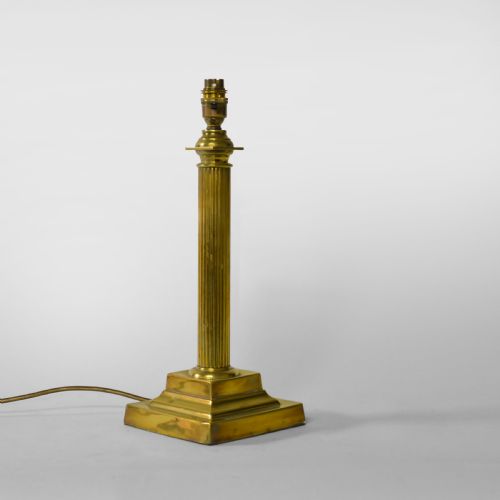


Classical Brass Fixture
A classical brass fixture brings enduring architectural form and warm metal light into a room, drawing the eye upwards through balanced proportion.
Classical Brass Fixture
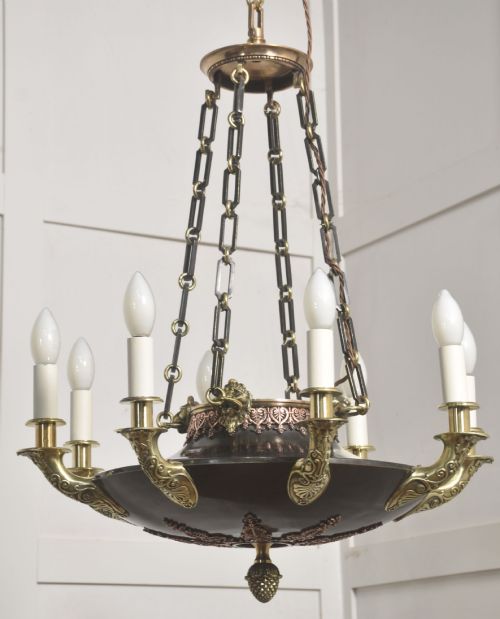
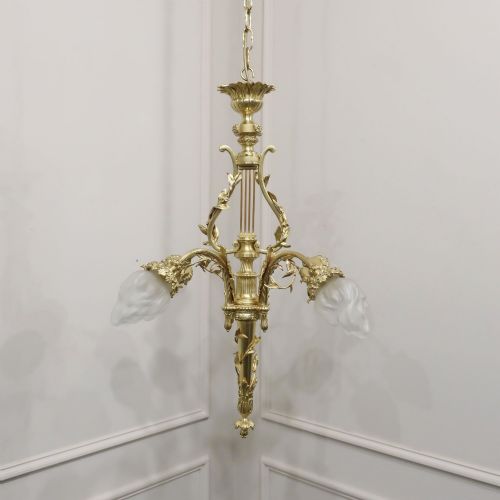
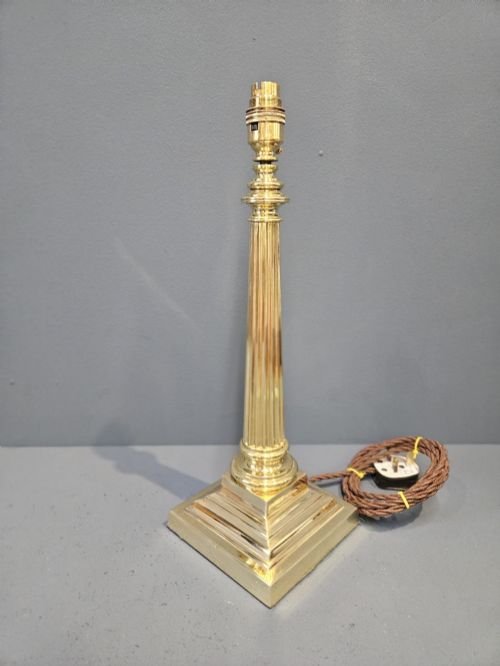
A classical brass fixture encompasses lighting designed with historical motifs, ranging from stately column lamps to grand multi-armed chandeliers. These pieces draw heavily on architectural precedents from French Neoclassical, Empire, and Victorian traditions.
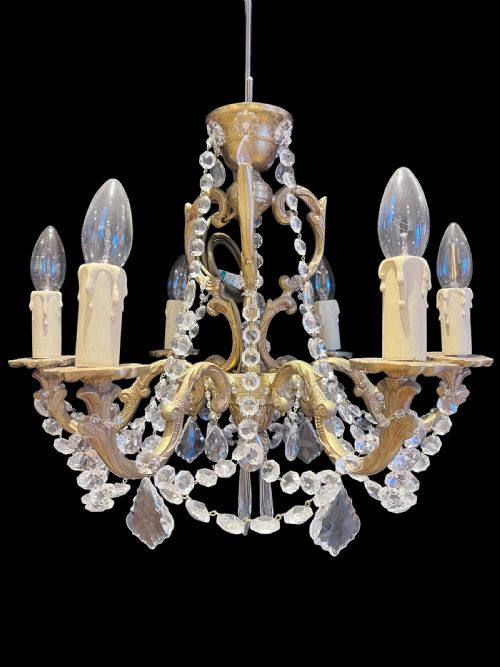
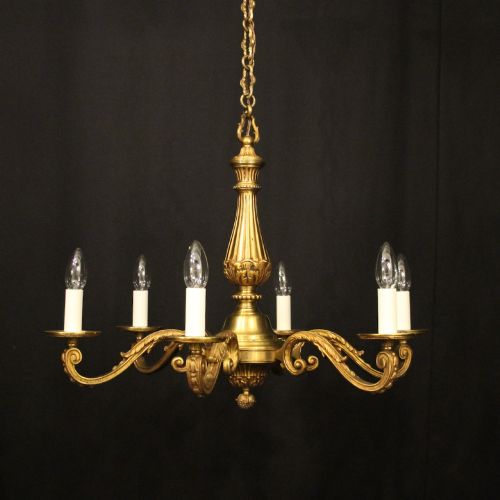
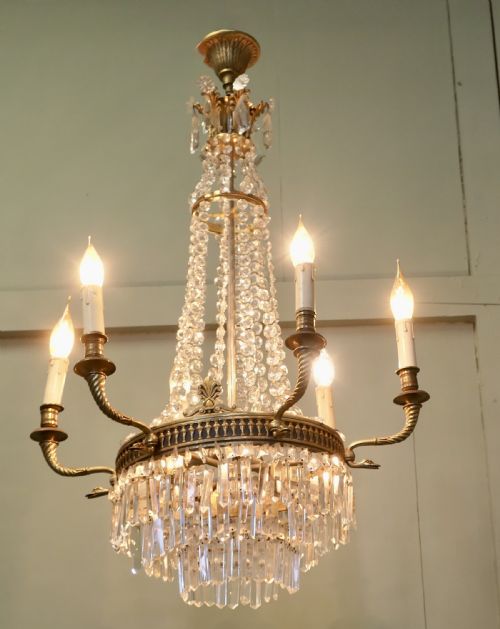
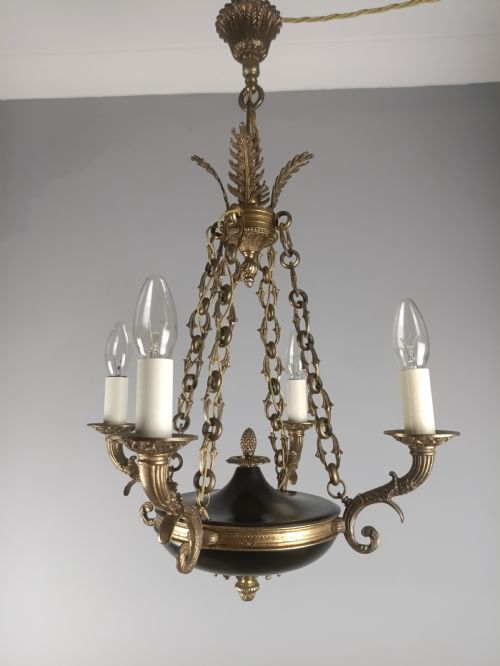
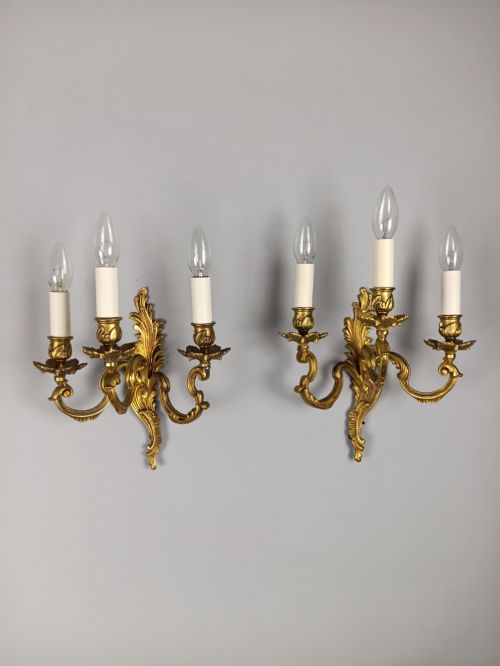
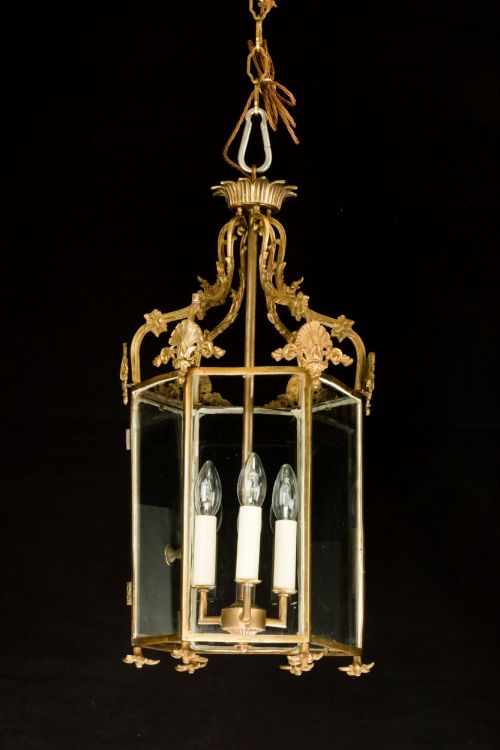
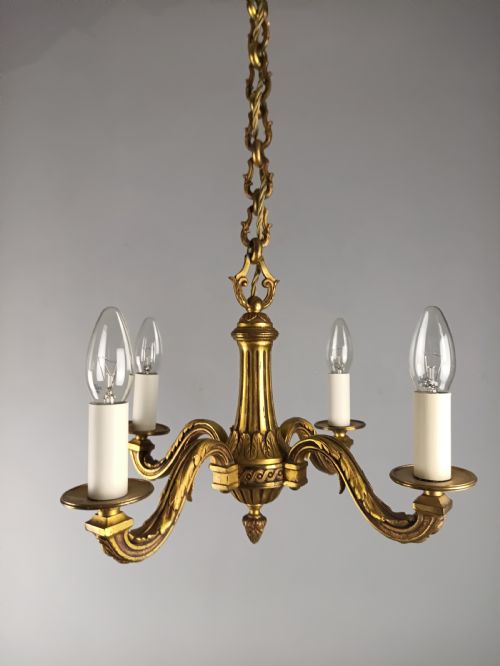
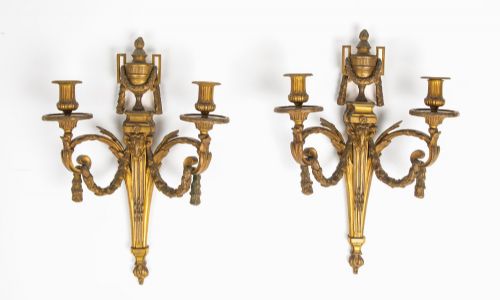
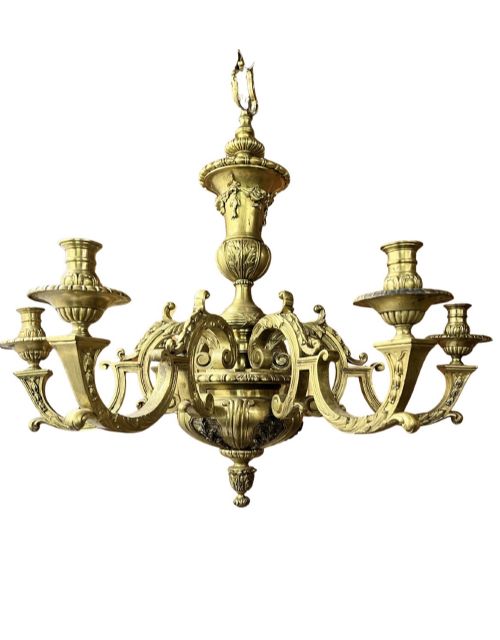
The version most commonly encountered on this page is the multi-light chandelier, frequently cast in bronze or gilt brass and often embellished with crystal drops. Wall lights, table lamps, and hall lanterns also appear regularly across nineteenth and early twentieth-century periods.
Makers and designers channel historical repertoires through cast metal, pairing restrained classical orders like ionic and Corinthian columns with ornate rococo or chateau flourishes. Each object serves to anchor a room's decorative scheme with established period dignity.
Materials and construction methods
Foundry casting forms the structural foundation of these pieces, utilising brass, bronze, and gilt bronze to create sturdy arms, backplates, and column shafts. Metal is frequently chased and finished with gilding, ormolu, or silver gilt to enhance surface brilliance.
Glass and crystal elements integrate directly with the metalwork, appearing as tent and waterfall formations, cut glass ceiling lanterns, or simple protective shades. Alabaster, marble, and porcelain also feature in specific table lamps and dish ceiling lights to provide contrasting textures.
Classical Brass Fixture Retail Price Guide 2026
Typical asking prices for classical brass fixture among the pieces listed under this phrase on Sellingantiques today, from the lower quarter to the upper quarter. They describe what is for sale here now, not the wider market.
Ram's head masks stare steadfastly from wall sconces, keeping watch over twentieth-century hallways.
Distinctions in manufacture and execution
The refinement of the casting dictates the sharpness of detail in ornamental motifs like ram's head masks and acanthus leaves, separating finely chased bronzes from softer secondary work. Superior pieces retain crisp articulation in every moulded flourish.
The integrity of the structural assembly, from multi-tiered frames to heavy branch connections, distinguishes robust workshop production from lighter output. High-grade items incorporate high-quality crystal or heavy cast components that maintain balance under their own weight.
The Classical Brass Fixture Glossary
- Ormolu
- Finely ground high-carat gold applied to a bronze or brass base through mercury gilding or electroplating. This technique creates a rich, matte yellow sheen characteristic of luxury French decorative metalwork.
- Chandelier
- A branched ceiling-mounted lighting fixture designed to hold multiple candles or bulbs. Antique examples often incorporate glass or crystal prisms to refract and multiply the emitted light.
- Sconce
- A wall-mounted lighting fixture with one or more arms projecting forward. These pieces typically attach directly to wall panelling or plaster using decorative backplates.
- Tent and waterfall
- A chandelier configuration where strings of crystal beads form a conical tent shape above a cascading arrangement of drops. This style directs light dynamically through geometric glass paths.
- Reeded column
- A vertical cylindrical shaft carved or cast with parallel convex ridges running along its length. It frequently forms the upright body of nineteenth-century table lamps.
Classical Brass Fixture: Frequently Asked Questions
How do I hang a heavy antique chandelier?
Heavy chandeliers require direct structural support from ceiling joists rather than attachment to plaster or lath alone. A qualified electrician must install a steel mounting hook rated to bear the total weight of the bronze and crystal frame.
Once secured, the fixture is connected to an independent ceiling box while chain length is adjusted to achieve the proper hanging height above the floor.
What periods do these light fixtures represent?
The lighting spans from the nineteenth century through the Edwardian era and into the early twentieth century, up to the 1930s. Styles range from Victorian revivalism and Neoclassical grandeur to Art Deco designs.
Manufacturing dates reflect both original nineteenth-century production and early twentieth-century revivals of French Louis styles.
How should I clean antique brass and crystal?
Dust brass components gently with a soft dry cloth, avoiding abrasive polishes that can strip original patination or surface gilding. Ormolu and gilt surfaces require particular care to preserve their historical finishes.
Crystal drops and panes can be removed and washed in warm soapy water, then dried thoroughly before being reattached to the metal frame with brass wire.
Can antique table lamps be safely rewired?
Antique table lamps and wall lights can be rewired to meet modern electrical safety standards without altering their exterior appearance. Professional restorers thread modern flex through existing internal channels to preserve the original columns and bases.
This process ensures the fixture operates safely while retaining its historical materials and structural integrity.