




Classical Art Painting
A classical art painting brings historical depth and formal composition into a room through oil on canvas and wood panel.
Classical Art Painting
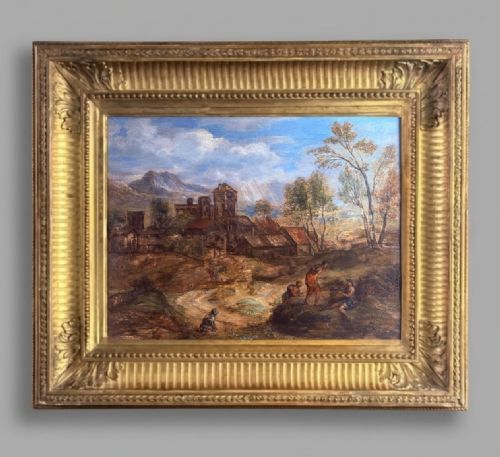
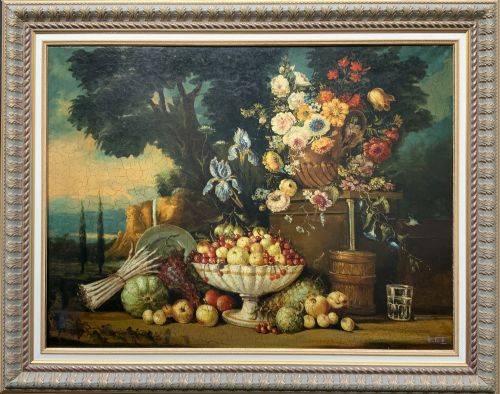
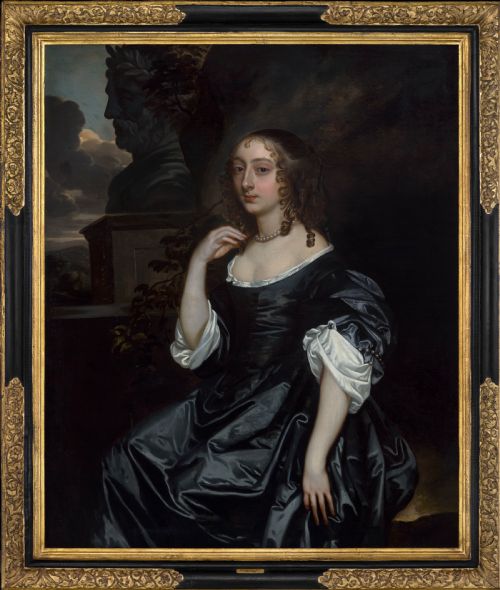
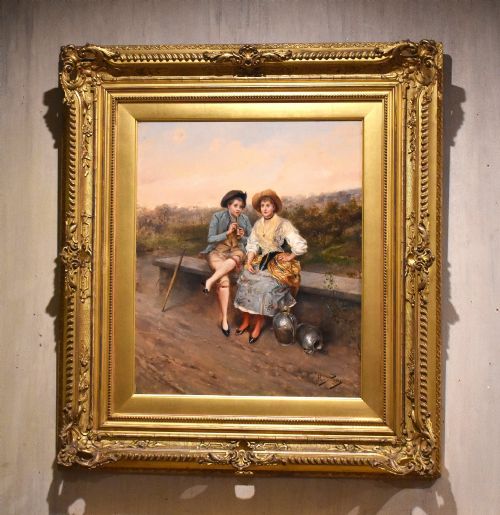
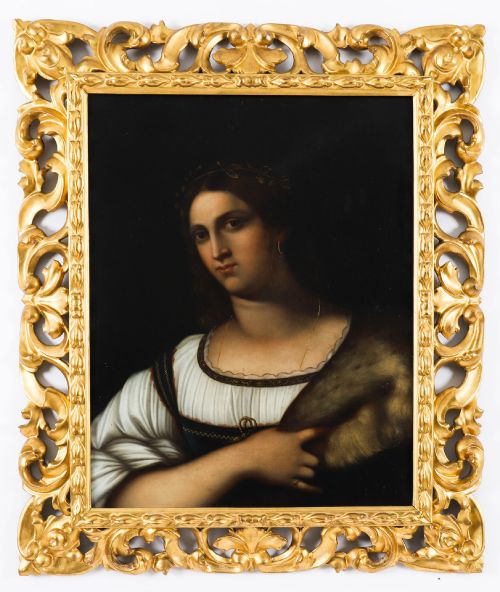
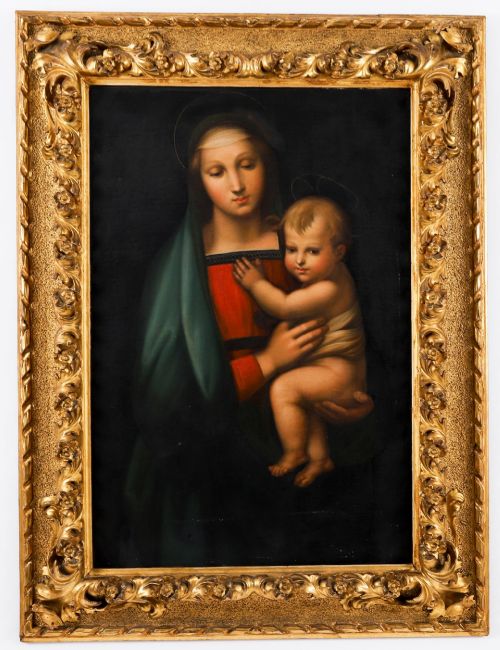
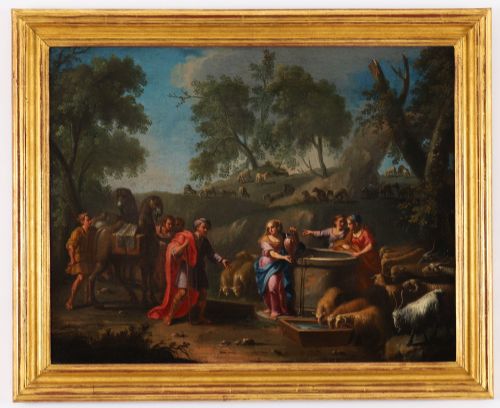
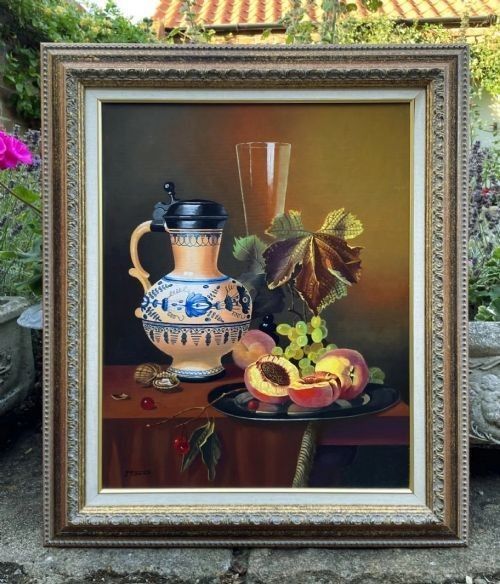
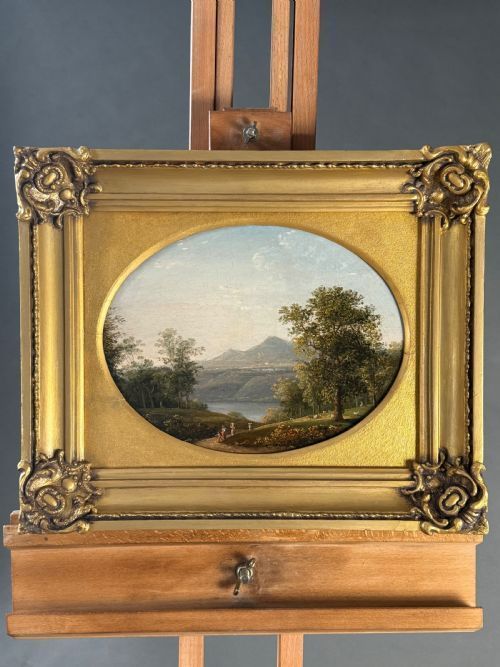
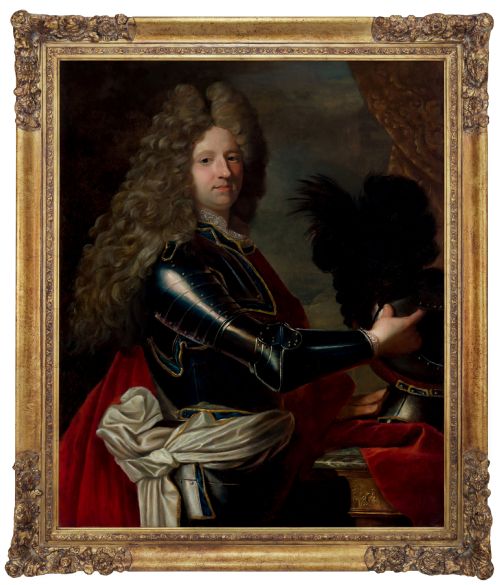
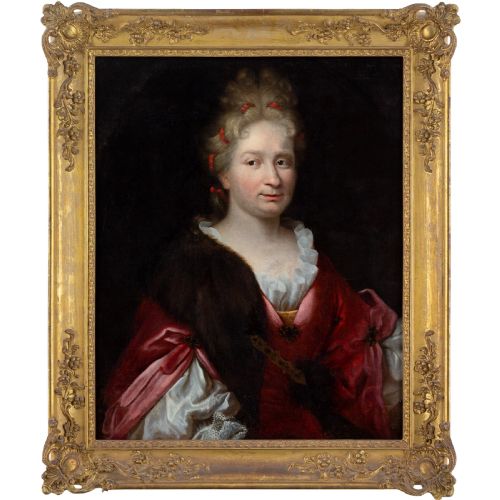
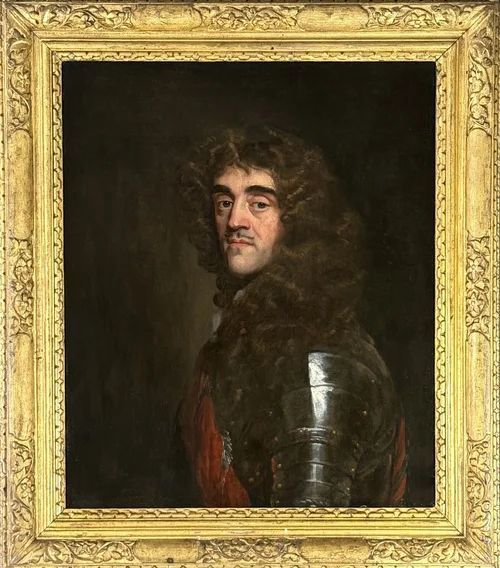
A classical art painting encompasses portraits, landscapes, and still lifes created primarily during the seventeenth, eighteenth, and nineteenth centuries. These works reflect stylistic movements such as Italian Baroque, French Rococo, Dutch Baroque, and Neoclassical traditions. Buyers select these canvases to introduce traditional subjects, pastoral scenes, and religious narratives into domestic spaces.
The selection frequently includes seventeenth-century portraits in oil on canvas, eighteenth-century Grand Tour landscapes, and nineteenth-century interpretations of Renaissance masters. Works associated with regional schools like the Venetian or Bavarian traditions appear alongside copies and pieces created in the manner of established painters. Each object bridges historic painting techniques and enduring pictorial themes.
Materials and Techniques
Artists painted primarily with oil paint on stretched canvas, wooden panels, or occasionally copper supports, applying pigments suspended in drying oils to build depth and luminosity. Preparatory layers such as gesso provided a stable white ground for the initial underdrawing and subsequent glaze applications. Many surviving canvases retain their period surrounds, constructed from carved wood and finished with gold leaf or giltwood.
Painters utilised layered glazes to achieve rich shadows and realistic flesh tones, a technique central to Baroque and Neoclassical compositions. Frame makers shaped wooden mouldings using carved gesso to create decorative fluted hollows and deep profiles that complemented the scale of the artwork. These historic methods of canvas preparation and framing ensure the physical survival of the pieces across centuries.
Listings feature works spanning from the sixteenth century through to the 1960s, utilising oil on canvas, wood panel, and giltwood frames.
Evaluating Quality
Quality in a classical art painting rests upon the dexterity of brushwork, anatomical proportion, and the handling of light and shadow within the composition. Master painters and skilled studio followers achieved subtle gradations in portrait subjects and architectural perspectives that lesser hands missed. The preservation of the original paint layer, minimal overpainting, and the integrity of the canvas weave determine the physical condition of the piece.
The craftsmanship of the accompanying giltwood frame also indicates the overall standard of the object, as original frames were custom-built for specific canvases. Finer examples display crisp carving in the gesso and authentic gilding wear that matches the age of the central artwork. A cohesive relationship between the painting and its housing elevates the significance of the piece.
Sir Peter Lely·Jacob Philipp Hackert·Hyacinthe Rigaud·Francesco Guardi·Leonardo Da Vinci
The Classical Art Painting Glossary
- Baroque
- A stylistic period originating in Italy during the early seventeenth century characterised by dramatic lighting, deep shadows, and dynamic movement. It emphasises emotional intensity through rich colour palettes.
- Gesso
- A plaster mixture applied to wood panels or canvases as a smooth base for oil painting or gilding. It provides a durable ground for fine brushwork.
- Neoclassical
- A revival of classical Greek and Roman aesthetics spanning the eighteenth and nineteenth centuries, focusing on symmetry, restraint, and heroic subjects. It values clear outlines over painterly brushwork.
- Capriccio
- An architectural fantasy painting placing together notable buildings, ruins, and other architectural elements in a fictional Italian landscape. Artists frequently used this genre to celebrate classical antiquity.
- Panel
- A rigid wooden support used by artists instead of canvas, often prepared with gesso before the application of oil paint. Wooden boards provided a smooth, stable surface for meticulous detail work.
Classical Art Painting: Frequently Asked Questions
How do I identify a 17th century painting?
Examine the canvas weave, stretcher construction, and preparation layers for signs of age typical of seventeenth-century workshops. Pigment analysis and historical costume details in portraits also help date the work accurately.
Look for characteristic chiaroscuro lighting and brush techniques associated with Dutch or Italian Baroque schools. Craquelure patterns in the oil paint provide further visual evidence of the passage of time.
Where should I hang an antique oil painting?
Hang the artwork away from direct sunlight and damp environments to protect the oil paint and wooden stretcher bars from warping. Stable indoor temperatures prevent the canvas and gesso frame from cracking.
Position the painting at eye level in a room with controlled lighting to appreciate the fine details of the brushwork. Ensure the wall structure can support the weight of the canvas and its heavy giltwood frame.
What is the difference between a copy and an original?
An original painting represents the primary composition conceived and executed by the named artist or their active studio. Contemporary copies were frequently painted by followers or students studying established masterworks.
Signatures, provenance records, and stylistic execution help distinguish between an original portrait and a later homage. Both categories reflect historical painting traditions but hold different positions in art history.
How do I care for a giltwood frame?
Dust the carved wooden mouldings gently with a soft, dry brush to prevent the accumulation of dirt within the gesso ornaments. Avoid using liquid cleaners or polishes that might damage the gold leaf.
Inspect the joints and hanging hardware periodically to ensure the heavy frame safely supports the enclosed canvas. Professional conservators should handle any structural repairs to the antique wood.