






Classic Wood Pedestal Table
These classic wood pedestal table examples combine functional forms with enduring materials to anchor any traditional interior.
Classic Wood Pedestal Table
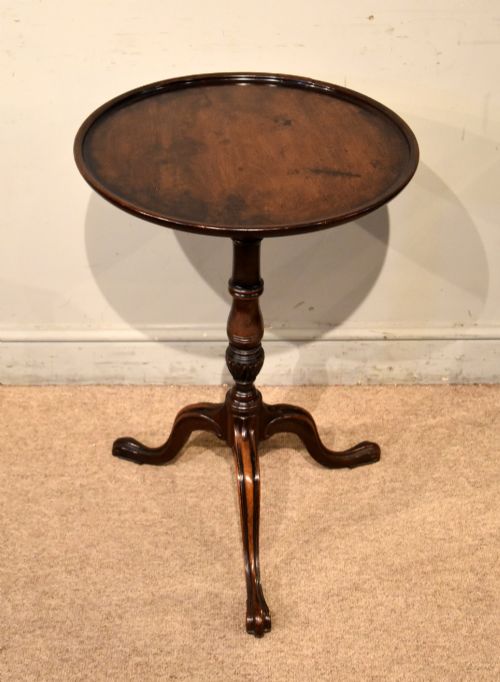
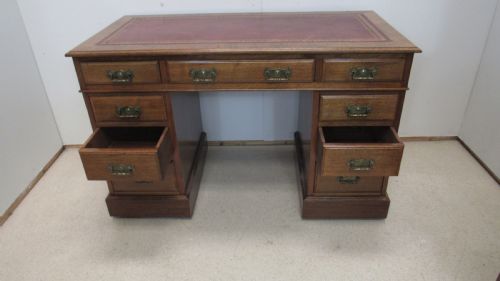
A classic wood pedestal table encompasses a variety of functional forms designed around a central support, appearing frequently as desks, dining tables, and occasional side tables. The evidence shows these pieces span periods from the Georgian era through the Edwardian years and the Victorian period, reflecting evolving domestic needs.
Buyers seeking a classic wood pedestal table will most often encounter mahogany items, alongside walnut, rosewood, and satinwood examples. These objects serve practical purposes ranging from large dining arrangements to compact bedside cabinets and card tables.
The regional origins and period styles visible in the listings include Regency, William IV, and Sheraton Revival designs. Each form utilises the central pillar or pedestal structure to maximise legroom and stability.
How they were made
Cabinet makers constructed these pieces primarily using solid hardwoods such as mahogany and walnut, frequently enhancing surfaces with figured veneer panels. Brass fittings and leather inserts appear on desk and table variants to provide functional durability.
Techniques such as carving pillars and turning central pedestals required high levels of carpentry skill to support heavy table tops or multi-drawer desks. Secondary materials like baize lined gaming surfaces on specific card tables.
Classic Wood Pedestal Table Retail Price Guide 2026
Typical asking prices for classic wood pedestal table among the pieces listed under this phrase on Sellingantiques today, from the lower quarter to the upper quarter. They describe what is for sale here now, not the wider market.
Some card tables hide baize-lined surfaces beneath folding tops, ready for an impromptu evening of cards.
What varies in quality
The distinction between standard examples and the finest pieces lies in the selection of figured timber and the precision of the carved pillar details. Superior items exhibit balanced proportions and clean joinery that withstands the functional demands of daily use.
Hardware choices and secondary woods also indicate the tier of production, with higher-grade pieces utilising matching timbers throughout their internal structures and drawers.
The Classic Wood Pedestal Table Glossary
- Pedestal
- A central upright support or pillar carrying a table top, desk, or cabinet. This structural element defines the core architecture of these pieces.
- Twin-Pillar
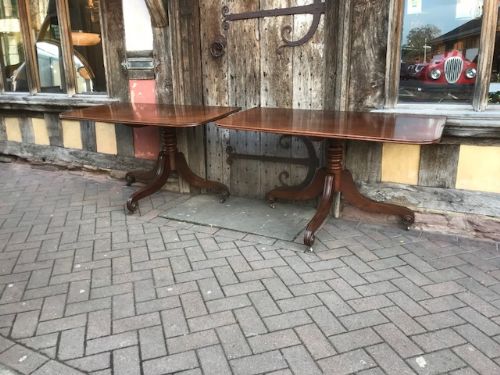
- A dining table construction utilising two separate central pedestals to support an extended top. This design allows for comfortable seating along the sides.
- Figured Mahogany
- Wood cut to highlight distinctive grain patterns such as flame or curl figures. Cabinet makers selected these decorative veneers for primary display surfaces.
- Occasional Table
- A small movable table intended for specific, intermittent household tasks rather than permanent placement. These items include lamp and side tables.
- Fold Over Card Table
- A game table featuring a hinged top that opens to double the surface area for card playing. The surface often retains a baize or leather playing field.
Classic Wood Pedestal Table: Frequently Asked Questions
What periods do these tables represent?
The inventory spans the Georgian, Victorian, William IV, Regency, and Edwardian eras. These periods cover work from the 1800s up to the early 20th century.
Each era brought distinct decorative motifs, from Regency revival lines to heavily carved Edwardian pillars.
Which woods are most common?
Mahogany is the predominant material seen across desks, dining tables, and side pieces. Walnut, rosewood, and satinwood also appear in smaller numbers.
Secondary materials include brass for hardware and leather or baize for desk and table inserts.
How were pedestal dining tables used?
These tables served formal dining functions, with some larger examples accommodating significant seating capacities. The central pillar design removed corner legs to ease seating arrangements.
Many versions include leaves to alter the table length for different occasions.