



Classic Wood Drawers
Classic wood drawers offer straightforward storage, built from mahogany, walnut, and pine across Georgian and Victorian eras.
Classic Wood Drawers
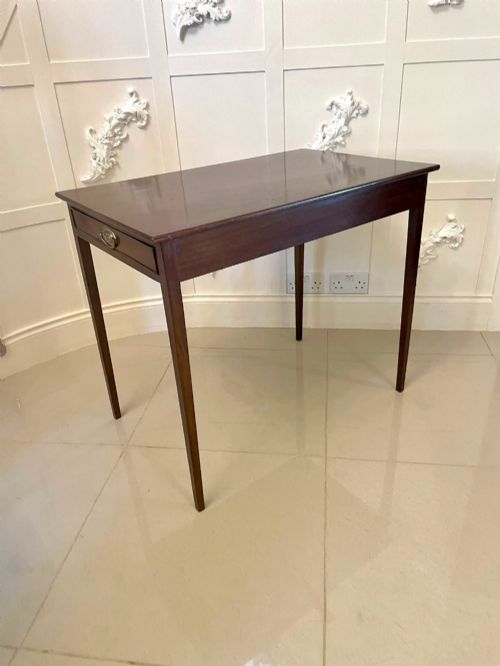
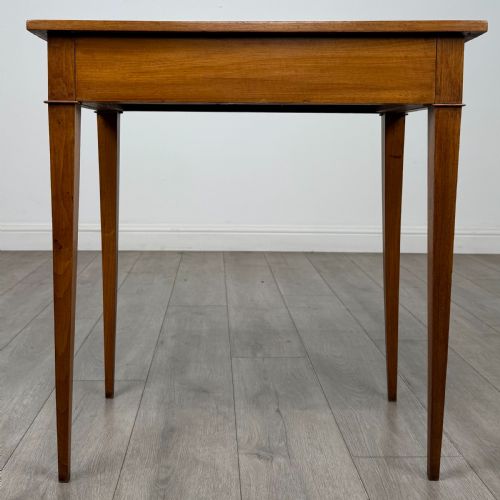
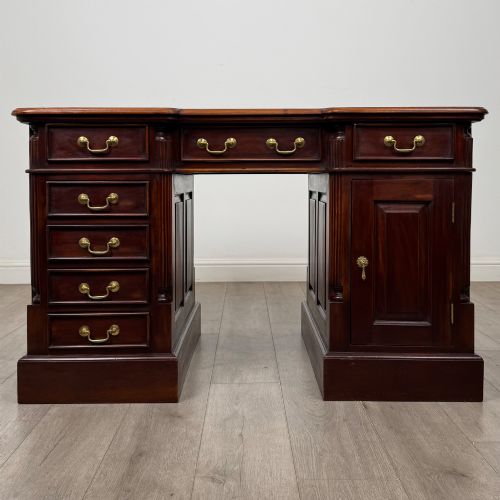
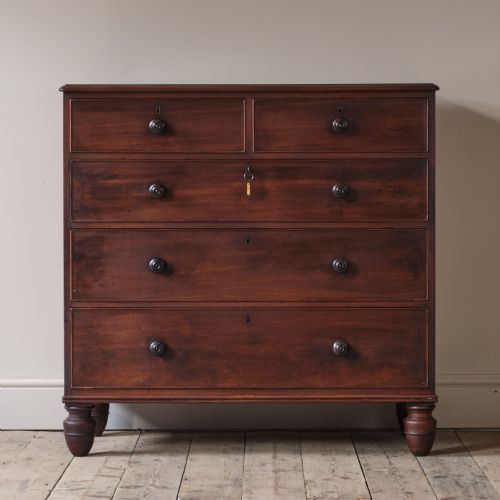
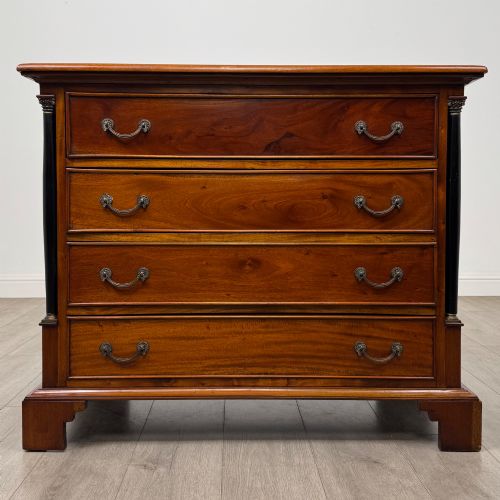
Classic wood drawers encompass a variety of storage furniture, most commonly appearing as chests of drawers, pedestal desks, and side tables. These pieces span periods from the 18th century through the Edwardian era and the 1930s, reflecting changing domestic needs over generations.
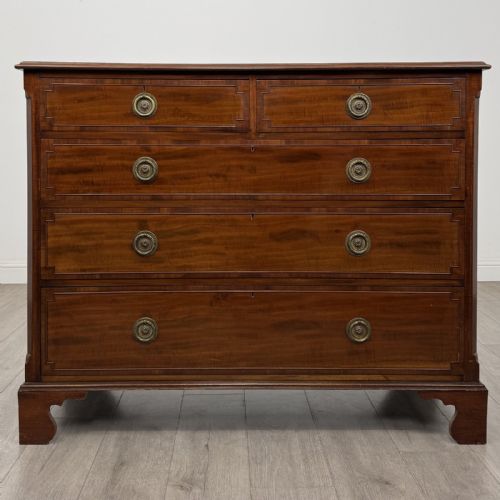
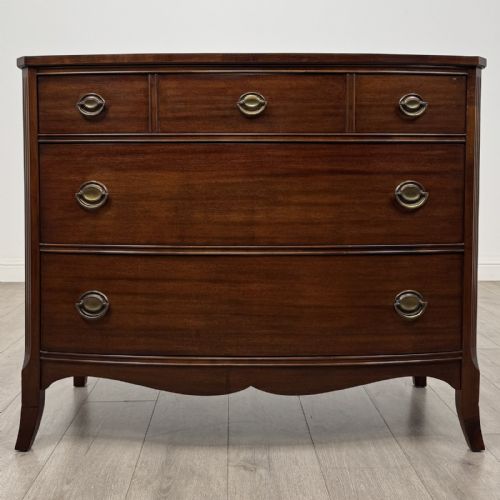
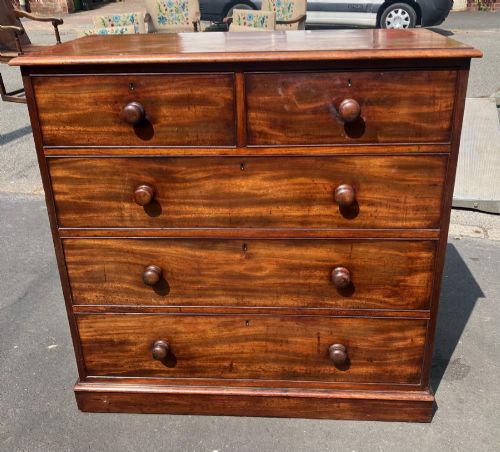
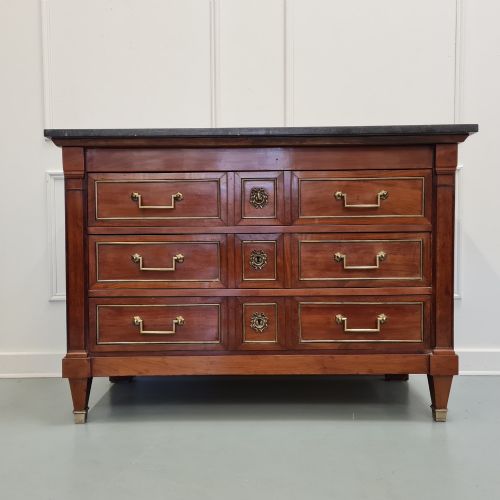
The version most frequently met on this page is the mahogany chest of drawers, often constructed in bow-front or two-over-three configurations. Pieces from the Georgian and Victorian periods dominate the selection, alongside occasional Edwardian examples and walnut side tables.
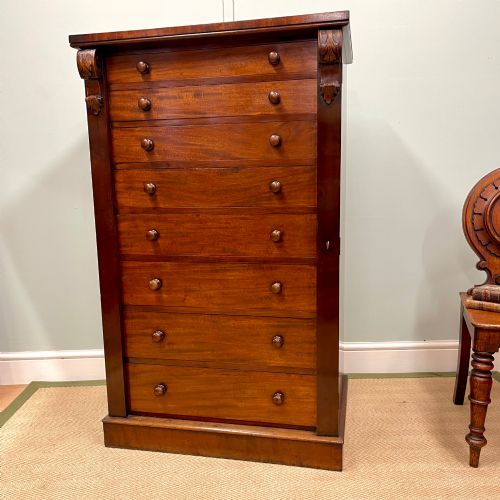
Makers and workshops range from defined makers like T & G Seddon and Epstein and Co to regional pieces in oak, pine, and flame mahogany veneer. Buyers encounter variations including secretaire chests, Wellington chests, and occasional tables fitted with hidden drawers.
Materials and Construction
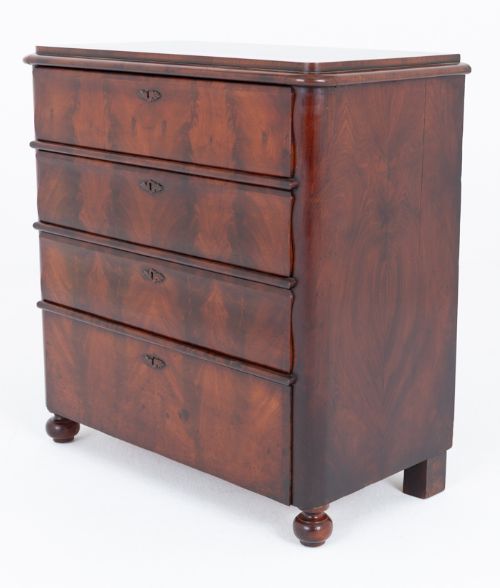
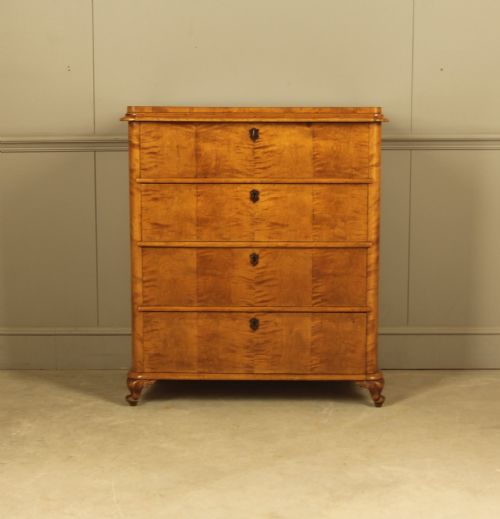
Timber selection dictated the primary aesthetic, with solid mahogany, flame mahogany veneer, and walnut forming the corpus of these items. Secondary woods such as pine appear internally for drawer linings and carcases.
Hardware and decorative elements rely on cast brass handles, bracket feet, and ebonised wood details. Inlaid woodwork and carved pillars add structural definition to desks and chests from the George III and Victorian periods.
Hidden drawers wait inside occasional walnut tables for secrets best kept away from guests.
Distinctions in Quality
The standard of timber selection separates simpler utility pieces from high-grade commissions. Figured grains such as flame mahogany veneer and matched walnut veneers indicate superior material choice.
Joinery execution and original hardware integrity determine the longevity of the piece. Fine proportions, intact brass handles, and solid bracket feet elevate the standing of standard chests and desks.
T & G Seddon·Epstein and Co·C. Hindley
The Classic Wood Drawers Glossary
- Bow front
- A convex curved front characteristic of many Georgian and Regency chests of drawers. This shape softens the profile of large storage items.
- Flame mahogany
- A timber cut that produces a fiery, swirling grain pattern across drawer fronts. It was favoured by cabinetmakers for formal display pieces.
- Pedestal desk
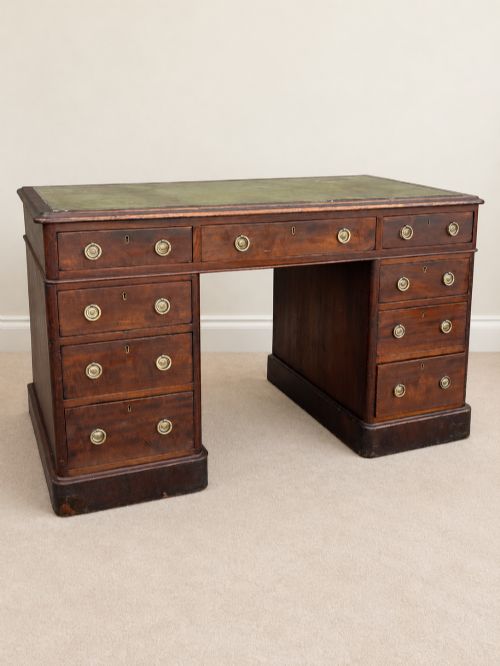
- A large writing table supported by two vertical banks of drawers. These items often include carved pillars and leather-lined tops.
- Bracket foot
- A corner foot shape used on case furniture, commonly seen on Georgian chests. It provides a stable base without heavy framing.
- Secretaire
- A cabinet or chest containing a fitted writing drawer with pigeonholes and small compartments. The fall-front mechanism conceals the desk interior.
Classic Wood Drawers: Frequently Asked Questions
What periods do these wood drawers come from?
The listings span several centuries, starting from the 18th century and moving through the Georgian, Regency, and William IV periods. Later examples include Victorian, Edwardian, and 1930s pieces.
Cabinetmaking styles shift across these decades, from formal George III designs to later revival styles and early twentieth-century interpretations.
What is a secretaire chest?
A secretaire chest combines standard drawer storage with a dedicated writing surface concealed inside the upper section. Pulling down the top drawer reveals a fitted interior with small compartments and pigeonholes.
This form allowed a single piece of furniture to serve both bedroom storage and writing duties.
Which woods were used for these drawers?
Mahogany is the dominant timber across the selection, appearing in solid form and as flame mahogany veneer. Walnut and pine also occur frequently, alongside occasional birch and ebonised woods.
Brass hardware and leather inserts complement these primary timbers on desks and tables.