



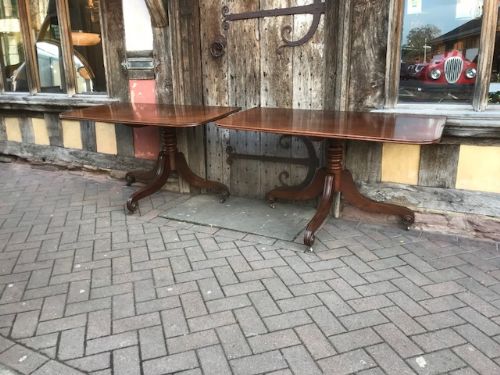


Classic Wood Dining Table
A classic wood dining table anchors the room with substantial mahogany timber and time-tested joinery.
Classic Wood Dining Table
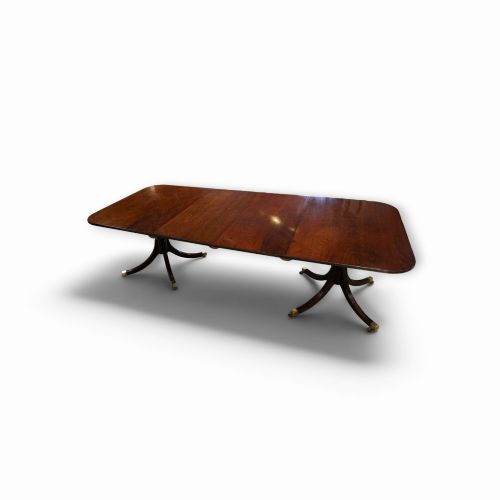
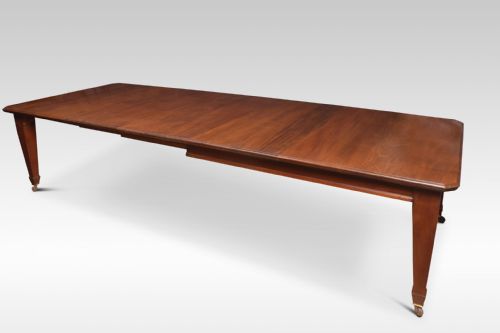
A classic wood dining table primarily takes the form of mahogany extending or pillar designs originating from the Georgian, Regency, and Victorian eras, alongside later revivals from the early twentieth century. Buyers seeking this phrase encounter solid timbers configured with drop-leaves, multiple pedestals, or wind-out mechanisms to accommodate large gatherings.
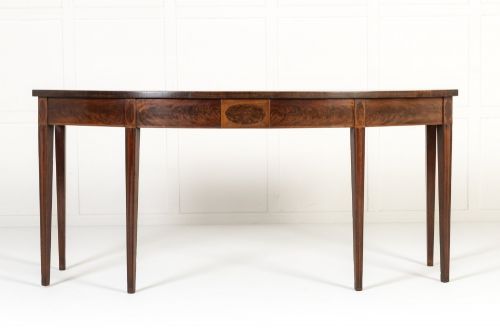
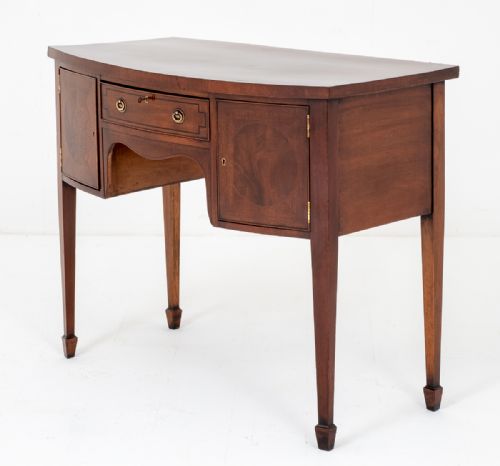
The selection on this page frequently includes twin-pillar and triple-pillar configurations, sometimes accompanied by matching sideboards or serving tables in related styles. Alongside formal dining suites, smaller Pembroke tables and walnut or burr maple variations appear, representing both eighteenth-century origins and subsequent Art Deco interpretations.
How they were made
Cabinetmakers constructed these tables using dense timbers like mahogany and walnut, frequently selecting figured varieties for top surfaces to highlight natural grain patterns. Brass fittings, leather inserts, and delicate satinwood inlay served as decorative details on select Regency and Georgian pieces.
Makers utilised sturdy pillar bases and extending frames to support heavy leaves, allowing tables to expand securely for dining. Traditional joinery ensured that multi-pedestal designs remained balanced and durable over centuries of daily use.
Classic Wood Dining Table Retail Price Guide 2026
Typical asking prices for classic wood dining table among the pieces listed under this phrase on Sellingantiques today, from the lower quarter to the upper quarter. They describe what is for sale here now, not the wider market.
Listings feature mahogany as the dominant timber, spanning periods from the eighteenth century through nineteen-forties Art Deco.
What varies in quality
Quality rests upon the selection of timber, particularly the presence of highly figured mahogany or burr maple on the primary surfaces. Tables exhibiting restrained satinwood inlay and well-cast brass hardware display a higher degree of workshop attention.
Construction methods also dictate standard, with multi-pillar systems and smooth extending mechanisms representing superior craftsmanship compared to simpler drop-leaf formats. Proportion and adherence to established Georgian or Regency proportions distinguish finer pieces from later revival items.
The Classic Wood Dining Table Glossary
- Twin-Pillar
- A table construction featuring two central pedestals supporting a long top, often joined by brass clips or wooden pegs. This design provides stability and legroom for larger seating arrangements.
- Pembroke Table
- A small occasional table with hinged drop-leaves on two opposite sides, typically fitted with a single drawer. It functions easily in compact spaces.
- Satinwood Inlay
- Decorative contrasting wood veneer set into the primary mahogany surface in geometric or floral motifs. It adds visual refinement to late eighteenth and nineteenth-century pieces.
- Drop-Leaf
- A tabletop configuration with hinged flaps that fold down when not in use. This mechanism allows the table footprint to alter quickly according to space requirements.
- Extending Table
- A dining table designed with a central mechanism or removable leaves to increase overall length. It accommodates extra guests during meals.
Classic Wood Dining Table: Frequently Asked Questions
How do I care for a wood dining table?
Maintain the finish by dusting regularly with a soft cloth and avoiding placement near direct heat sources or strong sunlight. Use coasters and placemats to protect the polished surface from moisture and heat.
Apply high-quality beeswax periodically to nourish the timber and preserve the natural lustre of the wood. Avoid harsh chemical cleaners that can strip the historic polish.
How do I identify a Regency dining table?
Look for dense mahogany timber, robust pillar pedestals, and classical architectural influences derived from the early nineteenth century. Brass toe castors and reeded legs frequently appear on authentic examples from this period.
Check for traditional hand-cut joinery and signs of age within the undercarriage and extending mechanisms. Revival pieces from later decades often imitate these specific structural traits.
What is a twin-pillar dining table?
A twin-pillar dining table uses two heavy central pedestals, usually with brass-capped tripod legs, to support a long top. This configuration distributes weight evenly and eliminates corner legs that might obstruct chairs.
Such tables frequently accept additional leaves secured between the two main sections to extend length. They became popular during the Regency era for formal dining rooms.
Can I use an antique table daily?
These tables were built for heavy domestic use from durable hardwoods like mahogany and walnut, making them suitable for everyday dining. Proper precautions against spills and scratches ensure they withstand modern family life.
Regular maintenance of the extending mechanisms and joints keeps the structure sound. Many owners appreciate how these tables accommodate contemporary gatherings while retaining historical character.