
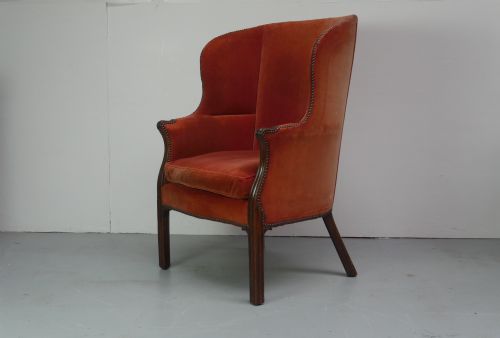


Classic Wing Chair
A classic wing chair brings historic comfort to a room, offering deep seating and protective side panels that shield against draughts.
Classic Wing Chair
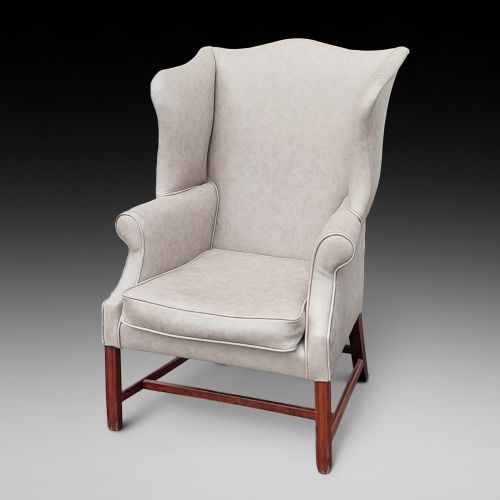
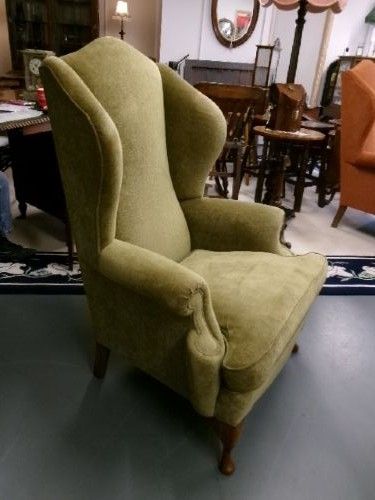
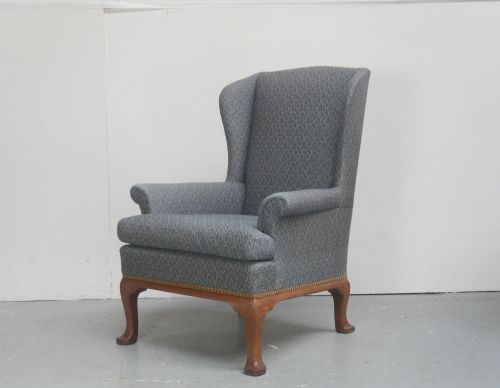
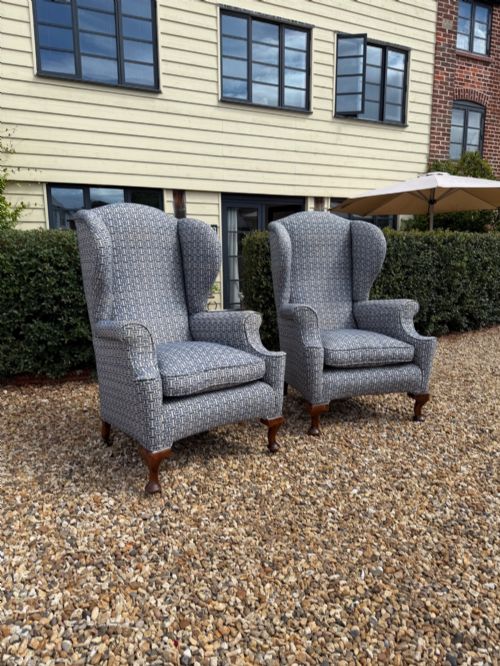
A classic wing chair is an upholstered armchair featuring characteristic side panels, or wings, designed originally to trap heat from a fireplace and protect the sitter from cold air currents. The pieces seen here span centuries of design, ranging from authentic eighteenth-century examples to later revivals from the nineteenth and twentieth centuries.
Buyers will encounter various forms on this page, including traditional high-backed armchairs, barrel back designs, and substantial porters chairs. Materials vary from rich mahogany frames to supple leather upholstery and patterned fabric covers, reflecting both original manufacture and later revival periods.
How they were made
The structural framework of a classic wing chair relies on sturdy hardwoods such as mahogany and walnut, frequently shaped with carved details on the legs and arm supports. Joinery techniques from earlier eras ensure stability, while later revival pieces often incorporate robust internal framing suited to heavy daily use.
Upholstery methods combine traditional stuffing materials with durable outer coverings in leather, velvet, or woven fabric. Brass details sometimes appear on castors or decorative studwork, securing the textile layers firmly to the wooden chassis.
Some chairs include enclosed hoods designed centuries ago to trap the gossip of the household right beside the hearth.
What varies in quality
The distinction between average and exceptional pieces rests upon the integrity of the wooden frame and the proportion of the wings relative to the seat. Earlier examples demonstrate superior hand-carved detailing on the cabriole or square legs, whereas revival pieces rely on the accuracy of their historical imitation.
Upholstery quality shifts significantly depending on whether the covering utilises vintage leather or standard fabric, alongside the firmness and resilience retained within the internal padding. Original period execution commands greater consideration than later reproduction work due to the skill required by historical cabinet makers.
HOWARD AND SONS·GILLOWS
The Classic Wing Chair Glossary
- Wingback
- An armchair featuring protective side panels attached to the arms and rising to frame the head. This design originated to keep seated occupants warm near open hearths.
- Barrel back
- A seating form where the back and arms form a single continuous semi-circular curve. It wraps closely around the sitter for added insulation and privacy.
- Porters chair
- A heavily enclosed armchair originally designed for hall porters to shelter from draughts in large houses. They often feature hooded tops and fully upholstered sides.
- Mahogany
- A durable tropical hardwood utilised extensively in furniture framing from the eighteenth century onward. It provides both structural strength and a smooth dark finish.
- Upholstery
- The padded textile or leather covering fixed over a furniture frame. It involves springs, webbing, and stuffing materials hidden beneath the visible outer layer.
Classic Wing Chair: Frequently Asked Questions
What is a wing chair?
A wing chair is a traditional upholstered armchair characterised by side panels attached to the backrest. These wings were historically designed to shield the sitter from draughts and retain fireplace heat.
Today, these chairs function as prominent seating options in studies, living rooms, and libraries, combining historical character with deep, enveloping comfort.
How do I date a wing chair?
Dating a wing chair involves examining the woodwork of the legs, the shape of the wings, and the construction methods hidden beneath the upholstery. Earlier eighteenth-century pieces often feature distinct leg carving and lighter proportions compared to nineteenth-century revivals.
Materials such as mahogany or walnut, alongside stylistic cues like Georgian or Victorian flourishes, provide further clues to the decade of manufacture.
Are these chairs comfortable for daily use?
These armchairs are built for substantial daily seating, offering high backs and deep cushions that support the entire body. The enclosed design creates a private and supportive lounging experience.
Buyers should assess the internal padding and upholstery condition to ensure the seat meets modern relaxation preferences while maintaining its historical structure.
Where should I place a wing chair?
A wing chair suits spaces where its high back and architectural silhouette can anchor the room, such as beside a fireplace or in a reading corner. The tall profile also works well in large hallways or studies.
Allow sufficient clearance around the chair so the characteristic wings and arms remain fully visible as a focal point.