

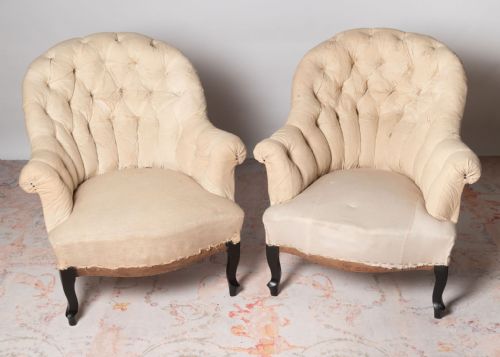
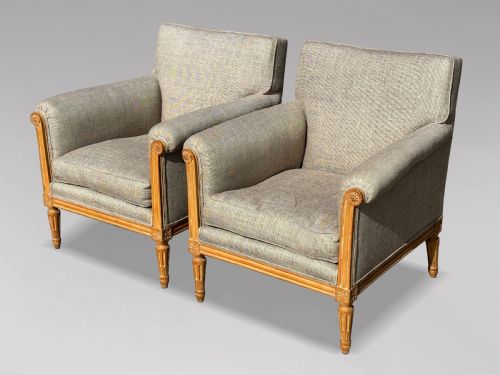


Classic Upholstered Seating
Classic upholstered seating brings tactile comfort and period character to a room, spanning deep armchairs, generous sofas, and dining sets from the nineteenth century onward.
Classic Upholstered Seating
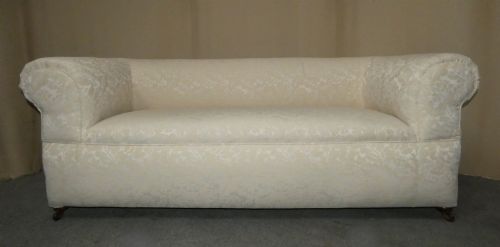
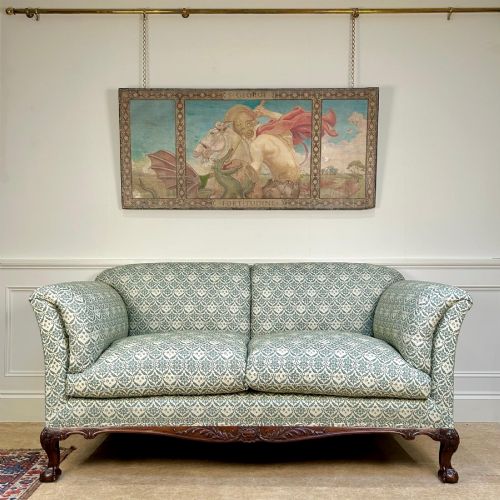
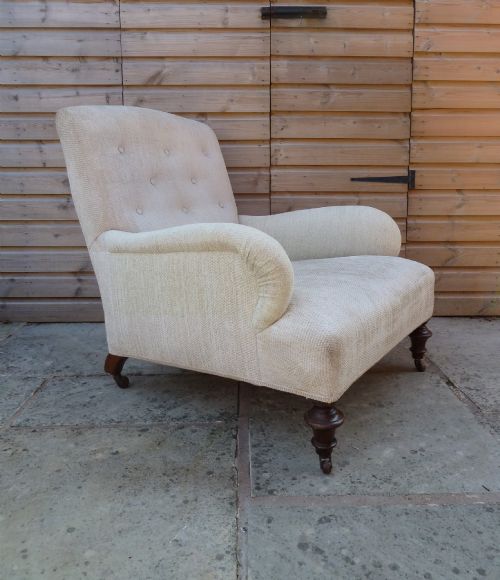
Classic upholstered seating encompasses a broad range of forms, from large country house sofas and deep armchairs to dining chairs and window seats. The selection draws heavily on nineteenth-century pieces alongside Edwardian and 1930s examples, reflecting diverse domestic needs.
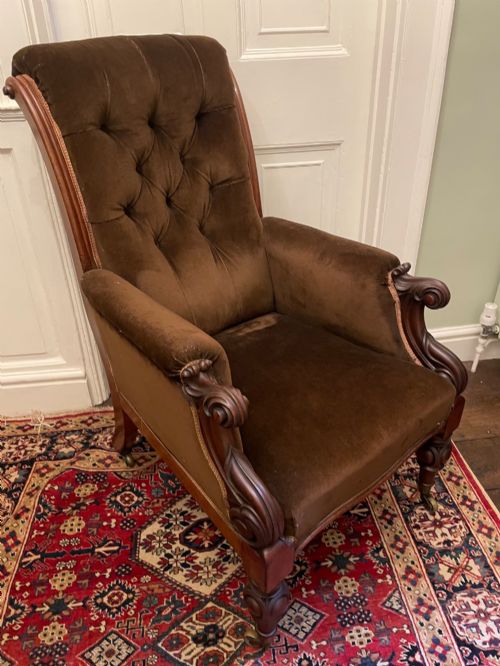
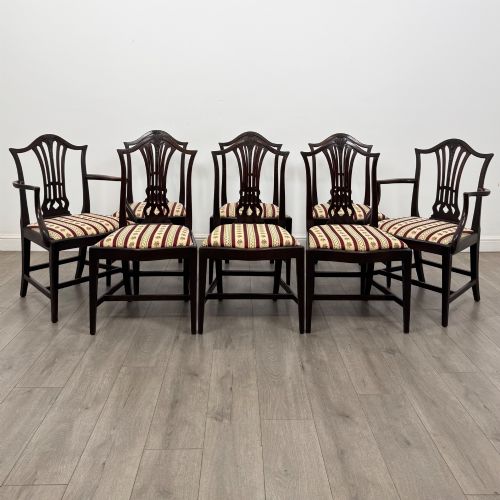
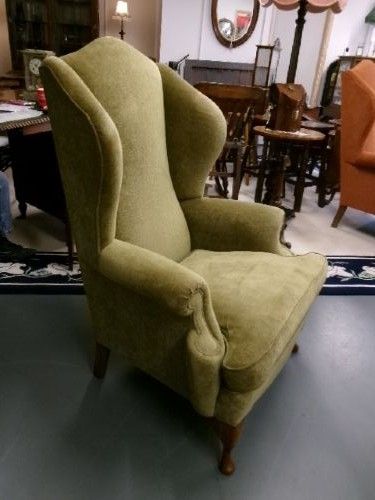
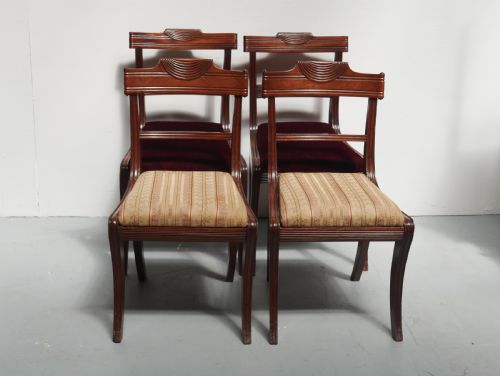
Armchairs and sofas dominate the selection, often bearing distinct stylistic stamps such as Victorian wingbacks, Edwardian walnut frames, and Bridgewater styles. Dining chairs appear frequently in sets, utilising mahogany, cherry, and shield-back or Georgian revival designs.
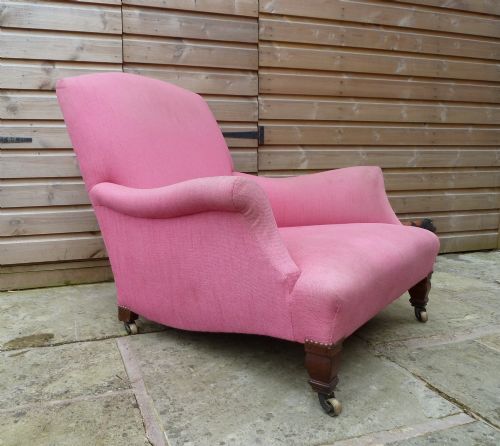
Secondary seating forms such as benches, piano stools, and long stools provide smaller accents alongside multi-seat couches and settees. French Louis XVI styles and Howard and Sons designs appear frequently among the larger armchairs and sofas.
Materials and construction methods
Frames rely on sturdy timbers including mahogany, walnut, hardwood, and general timber to support the structural weight. Brass details occasionally appear on castors or decorative mounts, while internal padding uses traditional materials like hessian.
Upholstery spans a variety of surface fabrics, including velvet, leather, and patterned textiles stretched over sprung or webbed bases. Exposed wooden frames display carved details, reeded legs, or cabriole supports depending on the period and style.
Classic Upholstered Seating Retail Price Guide 2026
Typical asking prices for classic upholstered seating among the pieces listed under this phrase on Sellingantiques today, from the lower quarter to the upper quarter. They describe what is for sale here now, not the wider market.
Listings span the nineteenth century, Victorian era, Edwardian period, and the 1930s, utilising mahogany, walnut, brass, and hessian.
Markers of distinction and build
The integrity of the internal wooden frame and the resilience of the suspension system separate standard utility pieces from finer creations. High-quality examples maintain rigid joinery in hardwoods like mahogany or walnut without structural wobble.
Upholstery execution and fabric selection dictate the finish of a piece, where hand-stitched details and sympathetic re-covering preserve the intended silhouette. Maker attribution, particularly associated with workshops like Howard and Sons, elevates the standing of a chair or sofa.
Howard and Sons
The Classic Upholstered Seating Glossary
- Bergere
- An enclosed armchair with cane or upholstered sides and a padded seat. The wooden frame is typically exposed and polished.
- Wingback
- An armchair with high sides attached to the arms, designed to shield the sitter from draughts. Early versions often feature deep upholstery and mahogany legs.
- Carver
- An armchair designed to match a set of dining chairs, usually placed at the head of a table. These feature supportive armrests integrated into the frame.
- Hessian
- A coarse woven fabric typically utilised as a foundation layer beneath top upholstery. It provides underlying support for internal stuffing and springs.
- Cabriole leg
- A furniture leg that curves outward and then tapers inward, inspired by the shape of an animal's leg. This form appears frequently on seats from the eighteenth century onward.
Classic Upholstered Seating: Frequently Asked Questions
How do I clean vintage upholstery fabric?
Surface dust should be removed gently using a soft brush attachment on a vacuum cleaner.
Deep cleaning requires professional intervention tailored to the specific textile, whether velvet, leather, or woven cotton.
Are these seats comfortable for daily use?
Many period armchairs and sofas were built for domestic comfort using sprung seats and generous padding.
Actual comfort depends on the current state of the internal webbing and padding rather than the age alone.
How do I identify a Howard and Sons chair?
Look for signature low profiles, branded castors, and specific maker stamps on the wooden frame or webbing.
These pieces also display traditional stuffing methods and high-grade upholstery finishes characteristic of the firm.
Can I mix different wood tones in a room?
Combining mahogany, walnut, and general hardwoods works well if the room shares a consistent textile or period palette.
Matching the overall scale and style of the seating matters more than uniformity in timber colour.